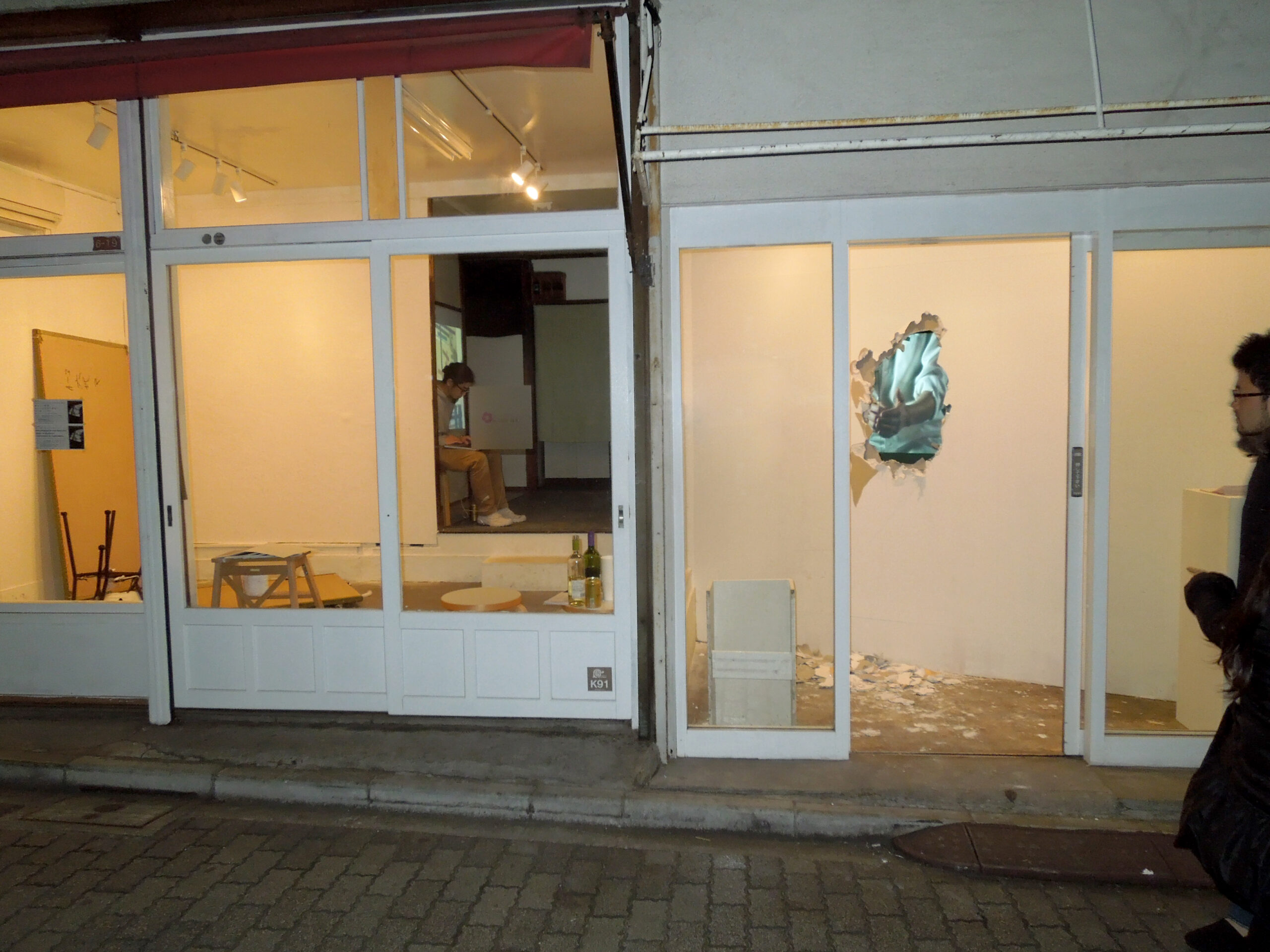
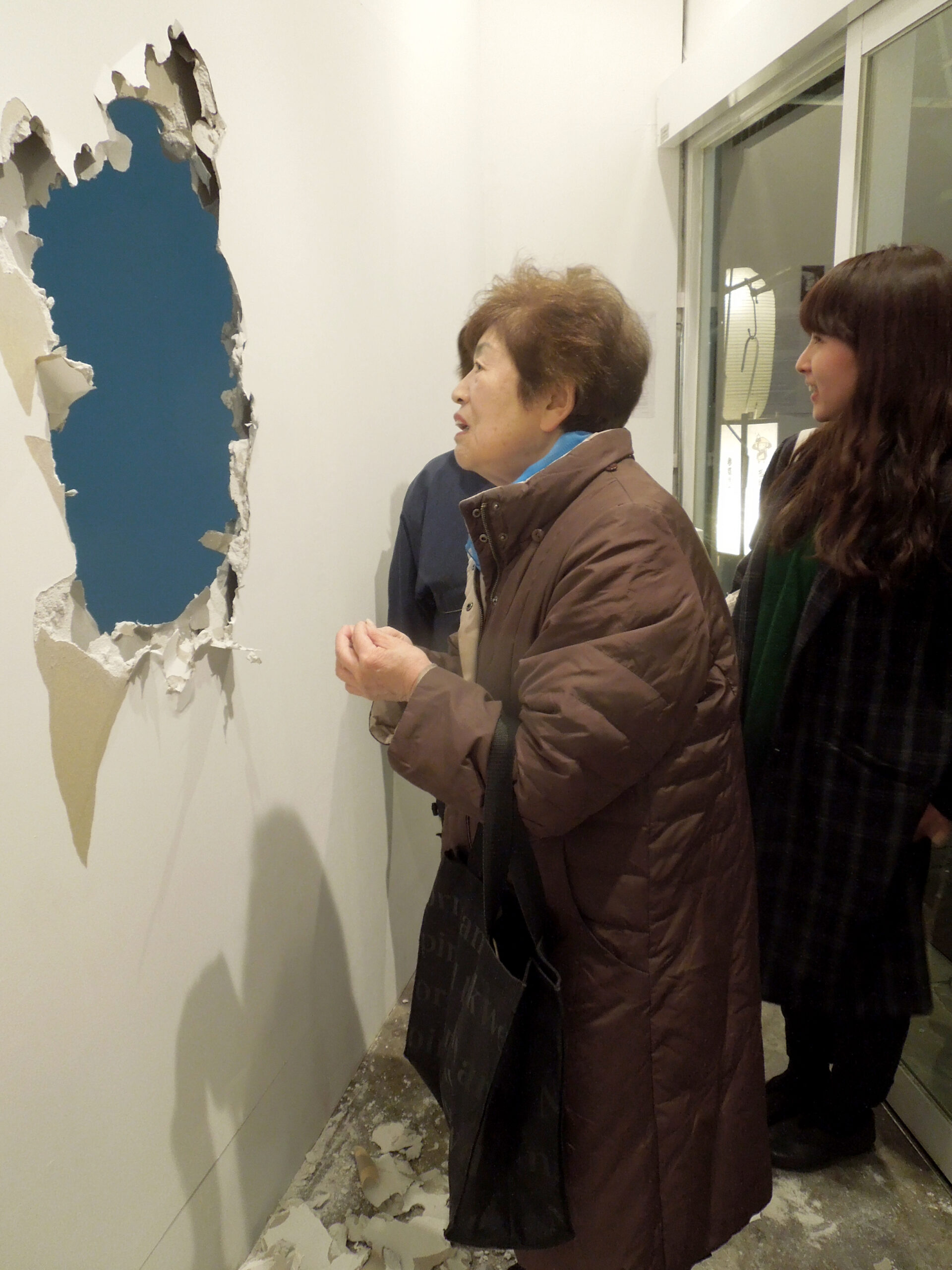
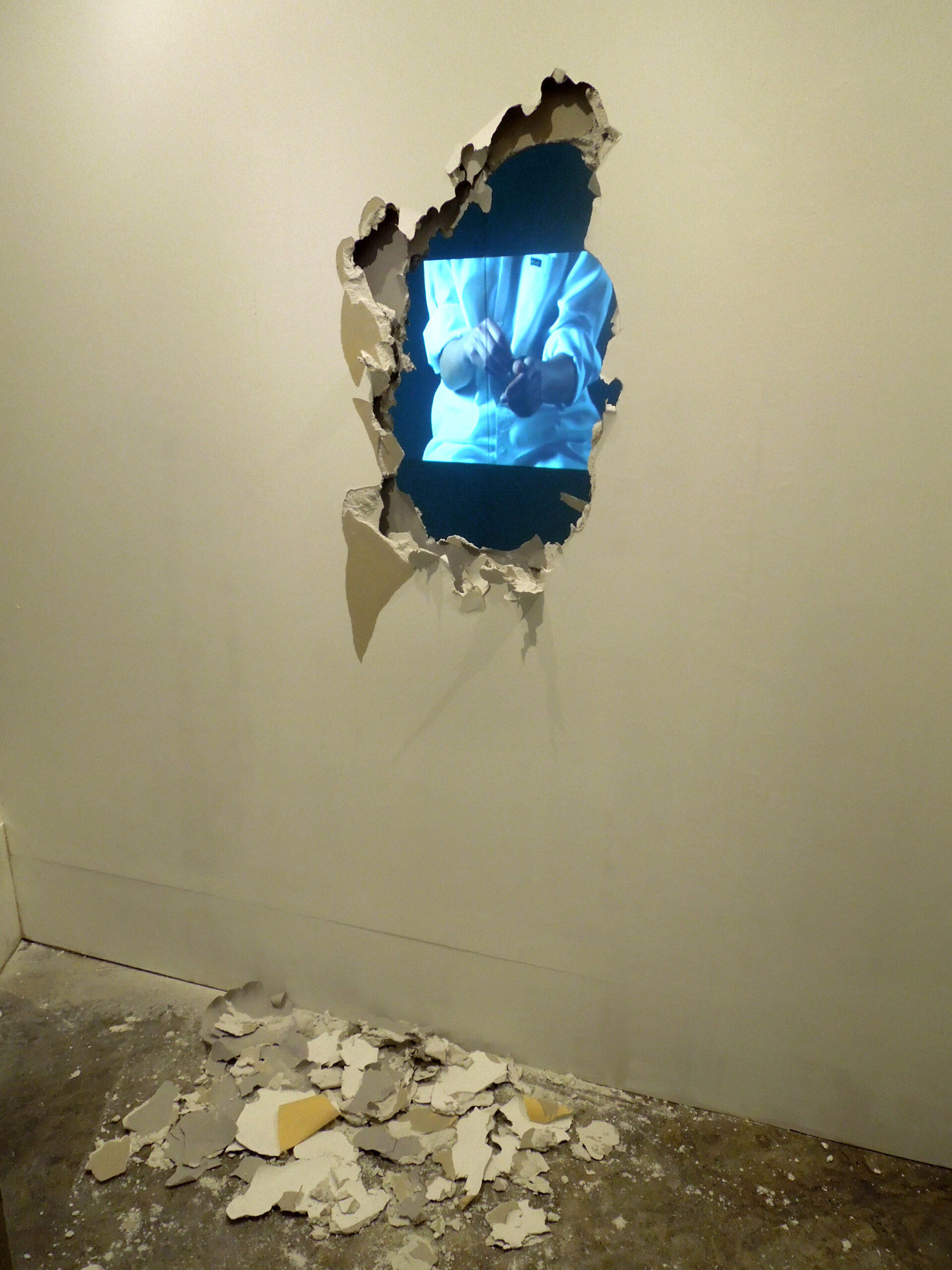
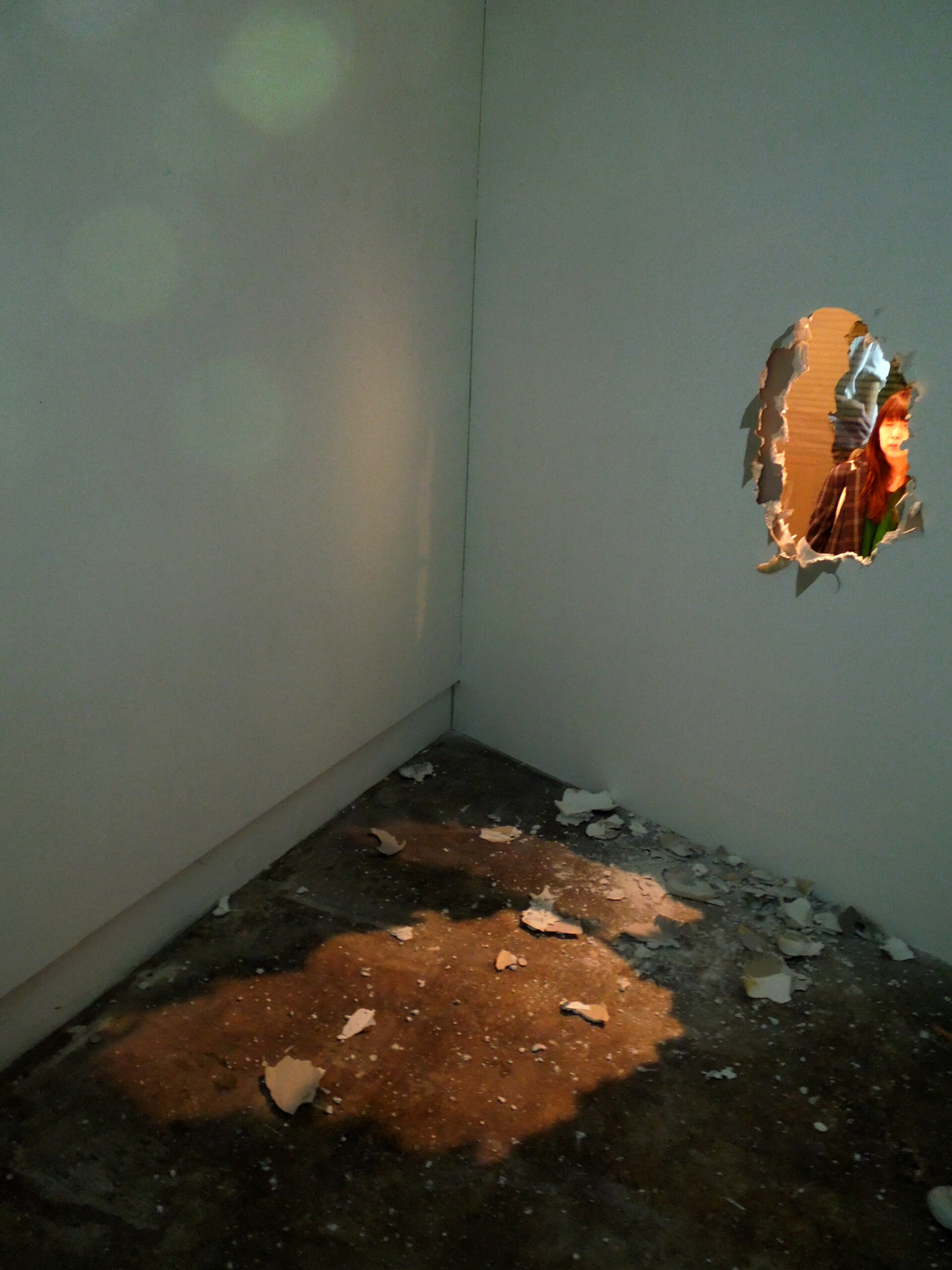
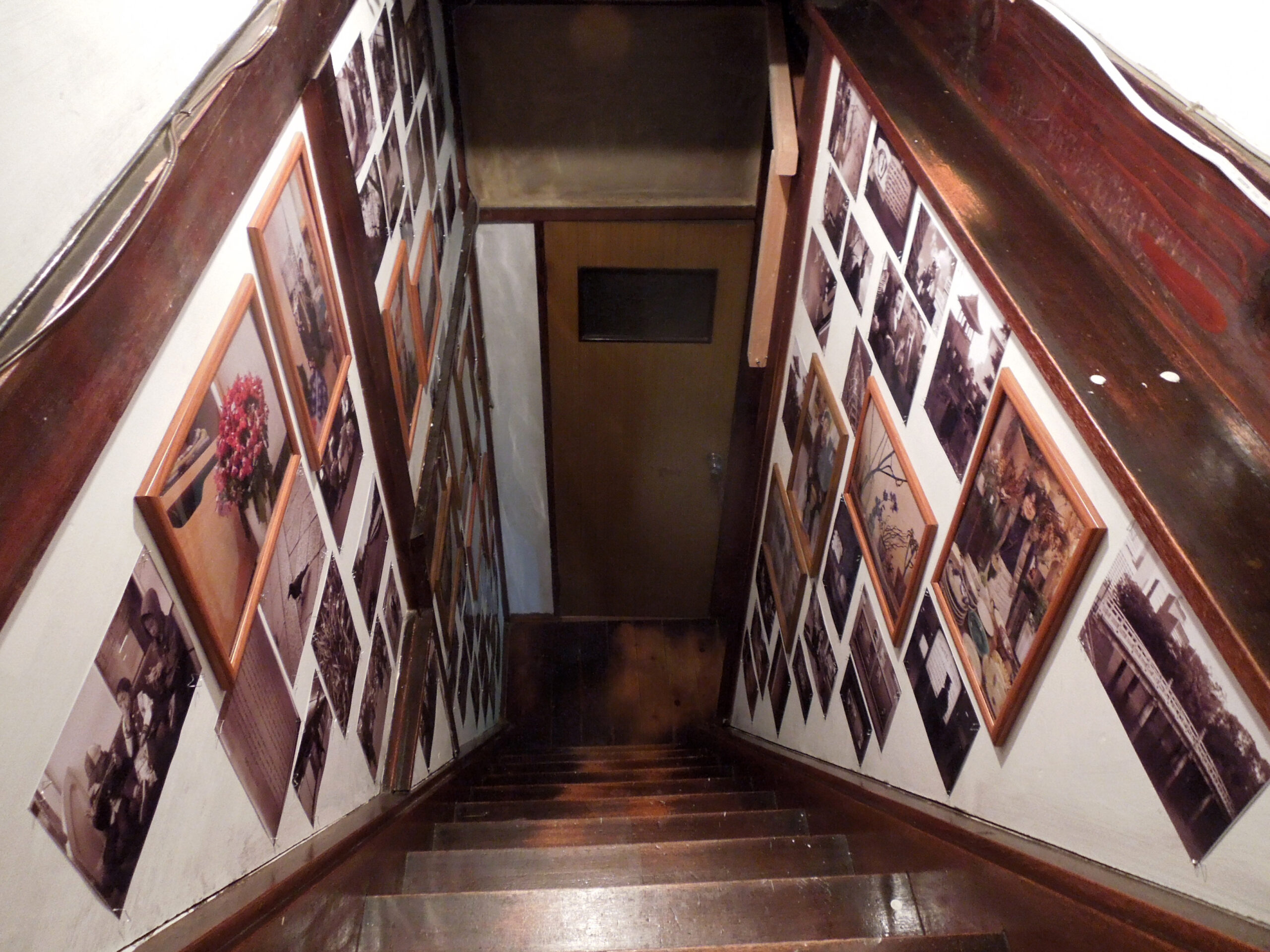
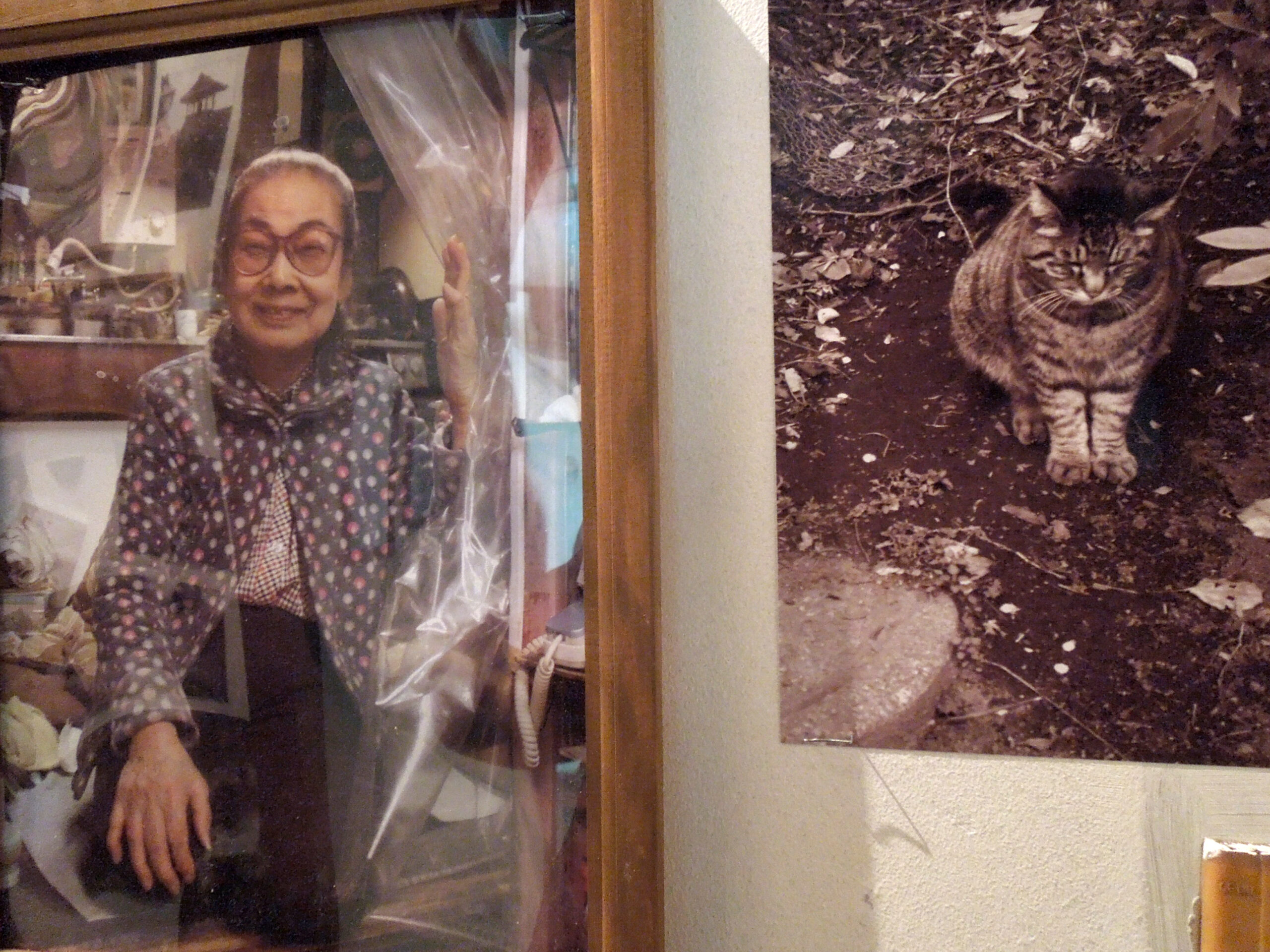
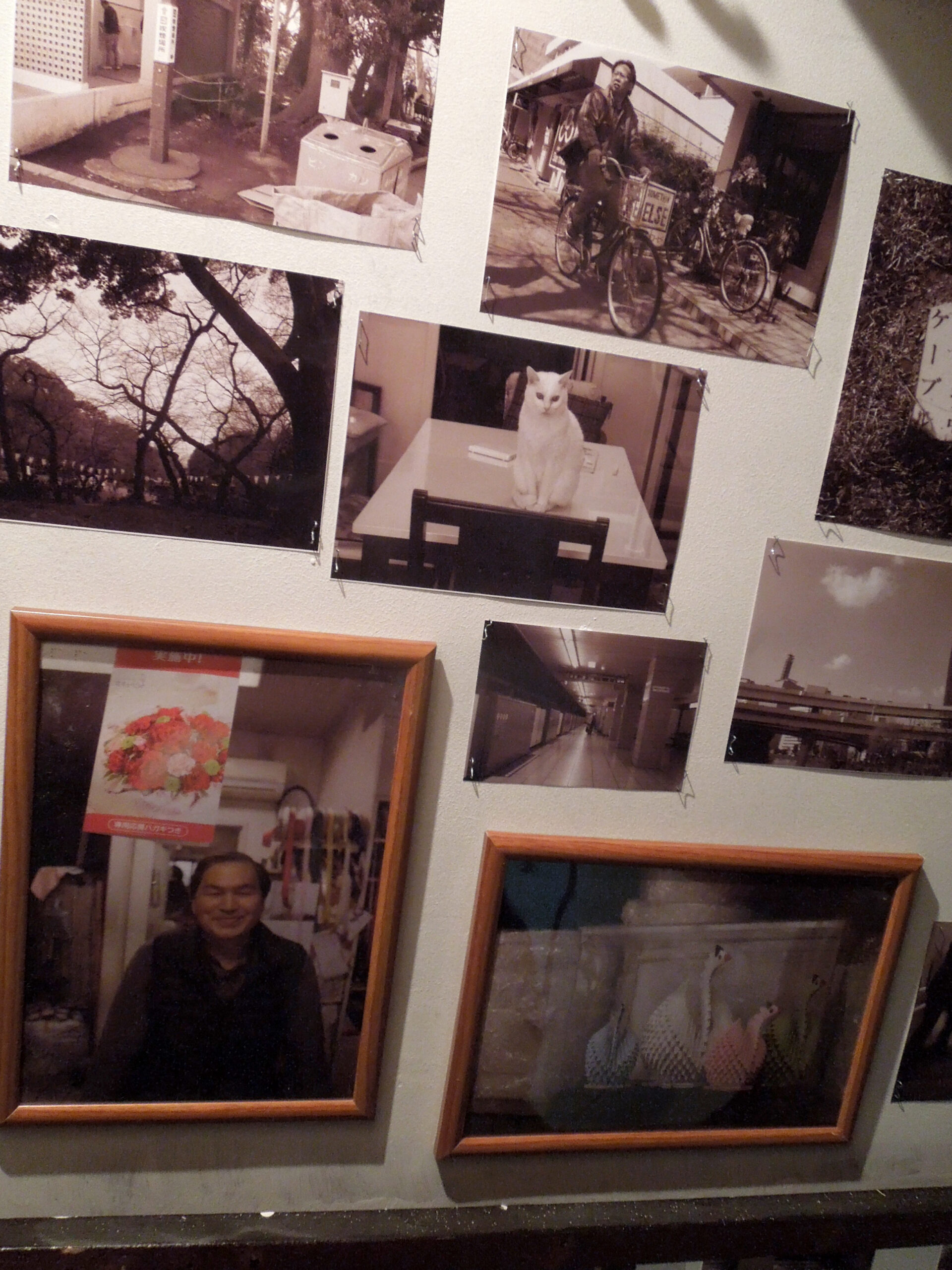
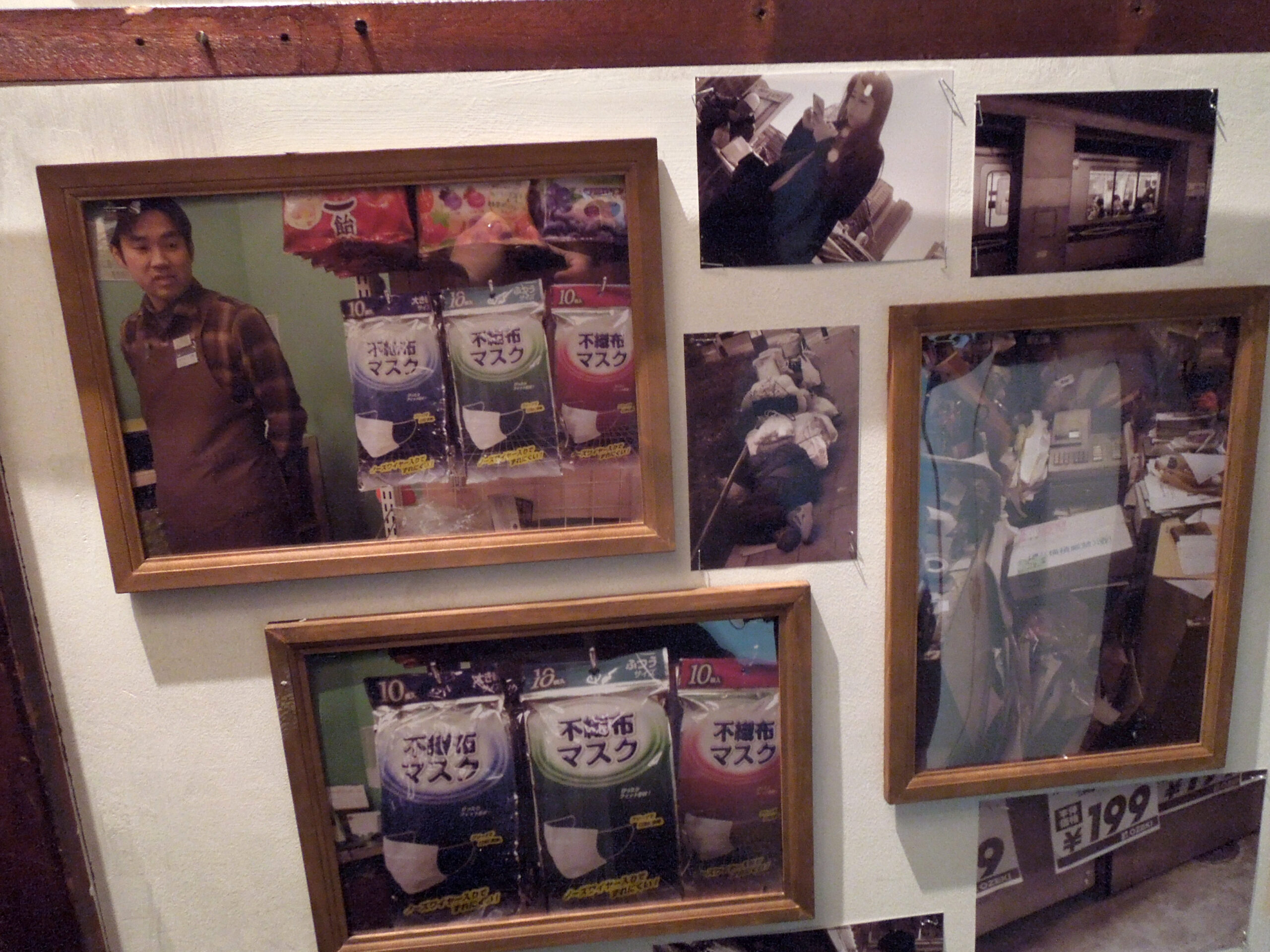
Panorama of the past or how to survive yesterday’s tomorrow
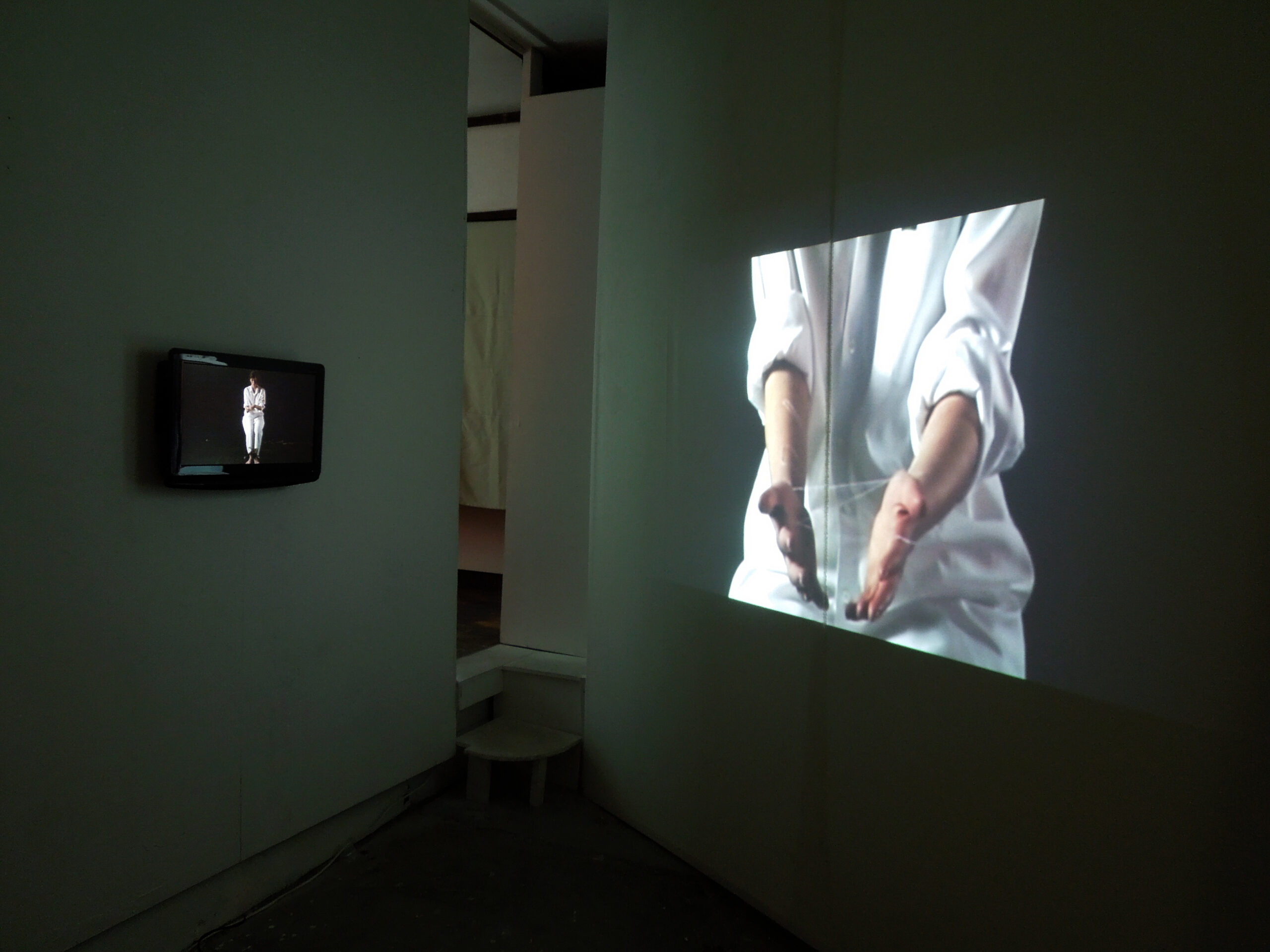
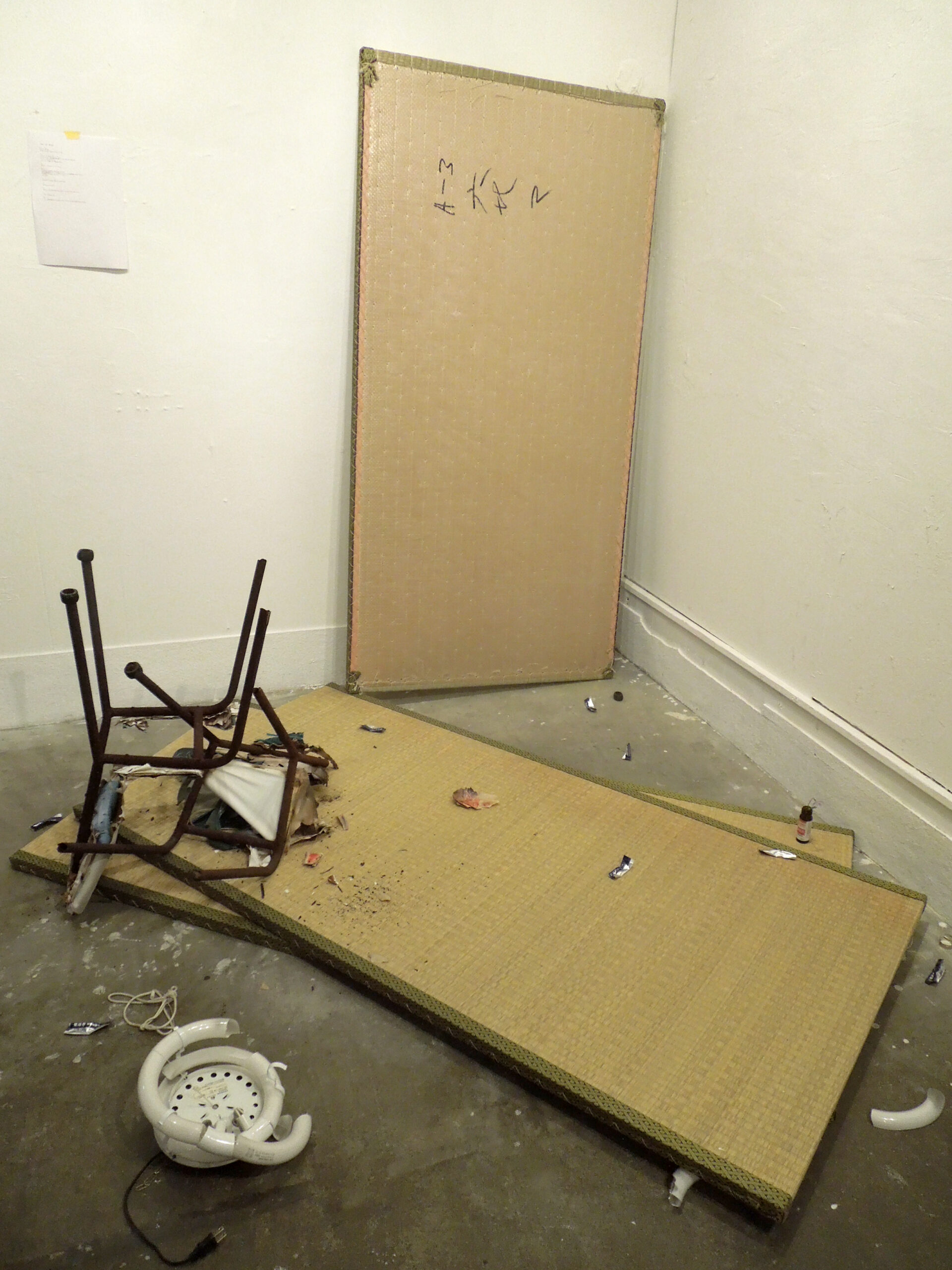
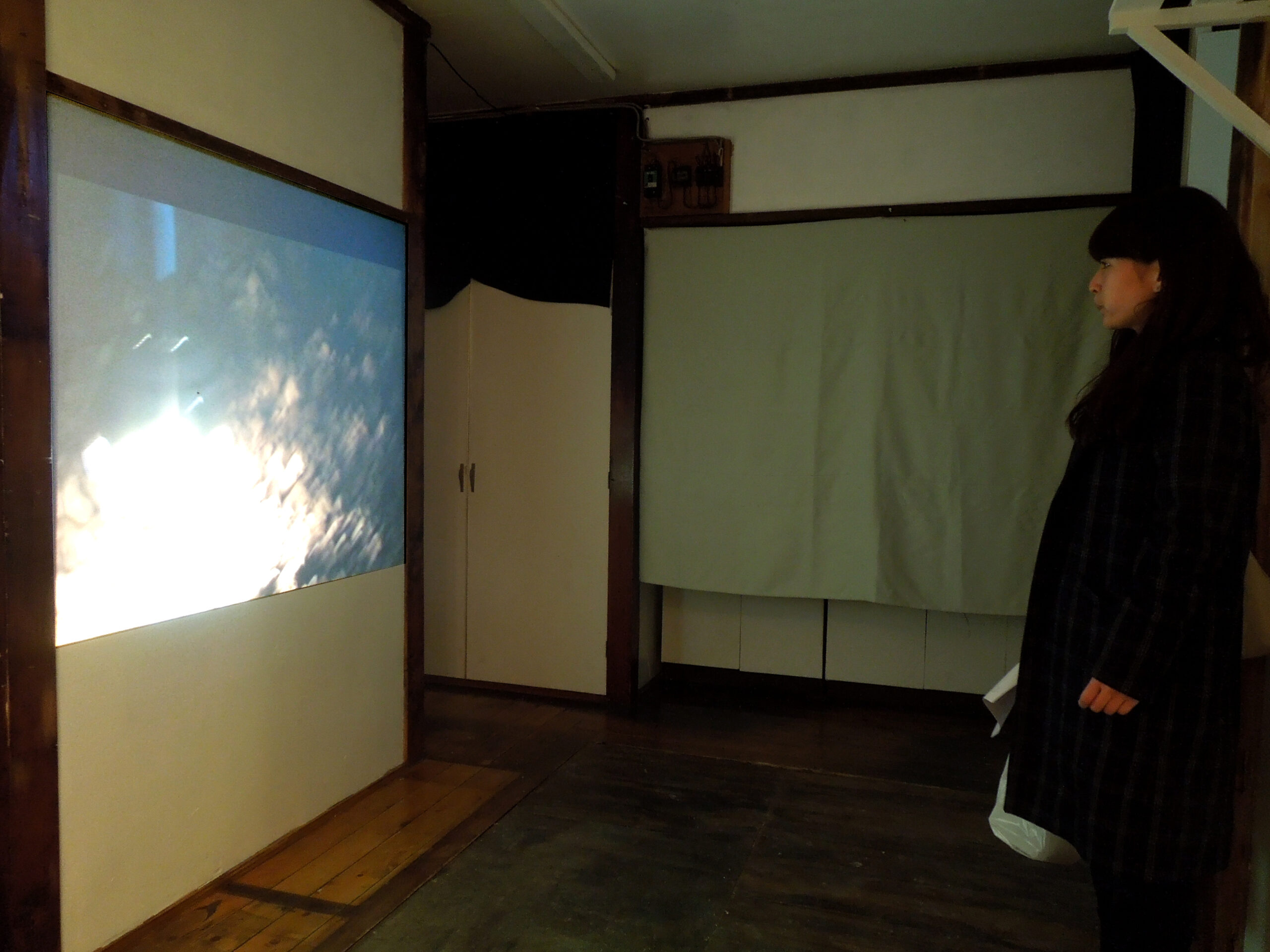
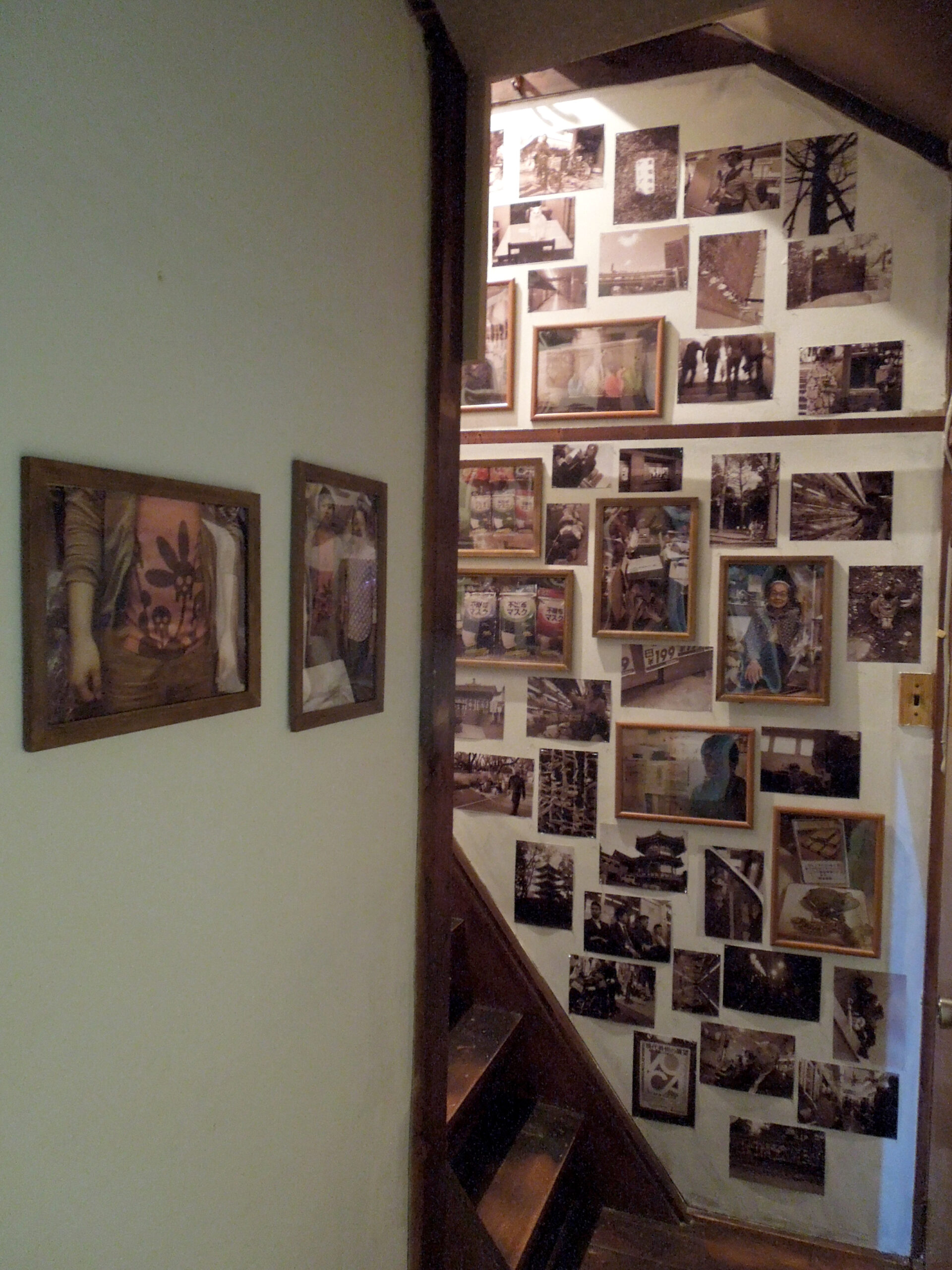
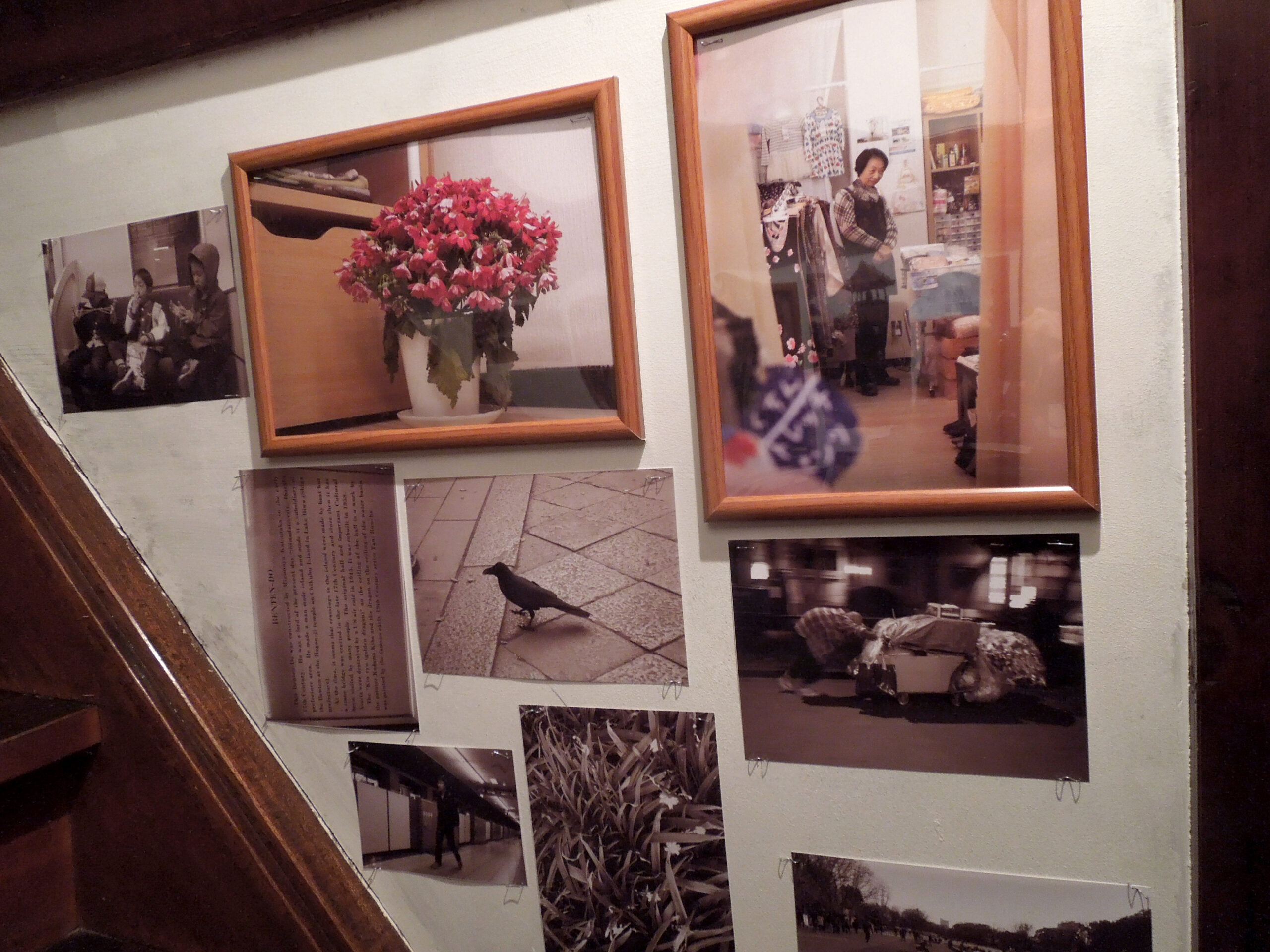
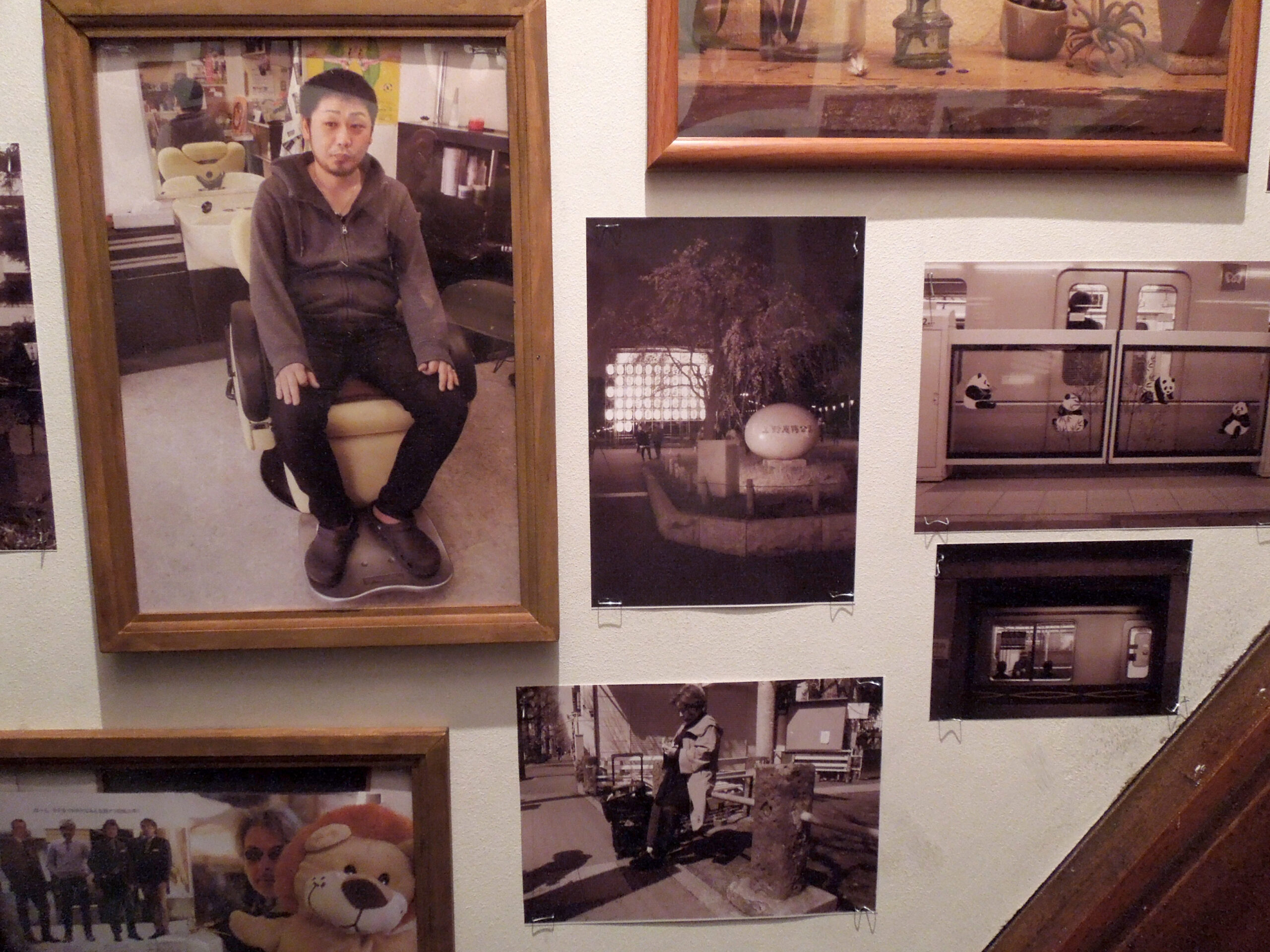
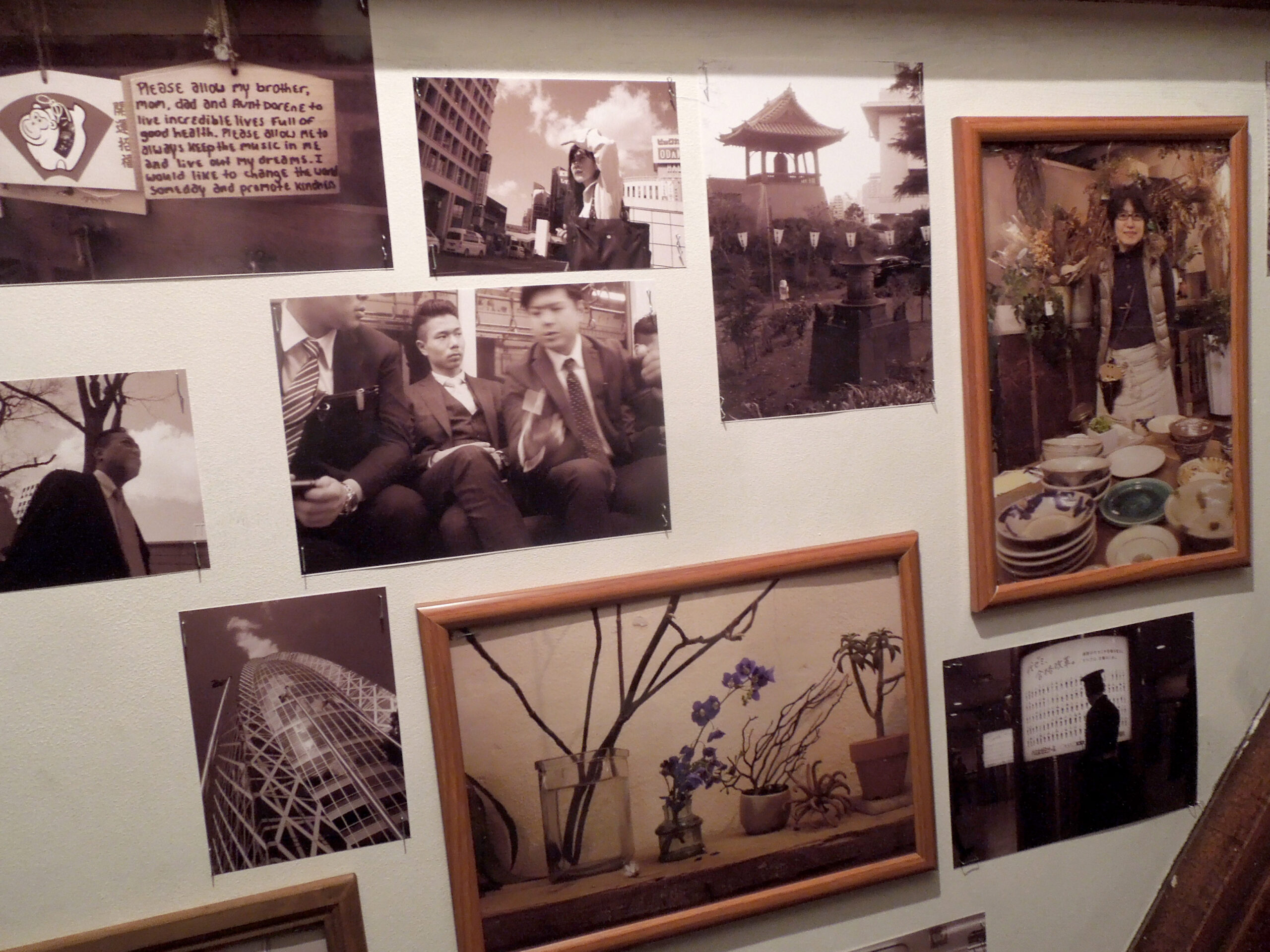
This exhibition is not simply a collection of archival data and visual images, but an attempt to navigate the labyrinth of human memory, where personal tragedies intertwine with global tectonic shifts in history.
At the center of this artistic exploration is the phenomenon of “trauma” not as a frozen monument of pain, but as a living, irrational impulse that radically transforms worldviews, spiritual life, and plans for the future.
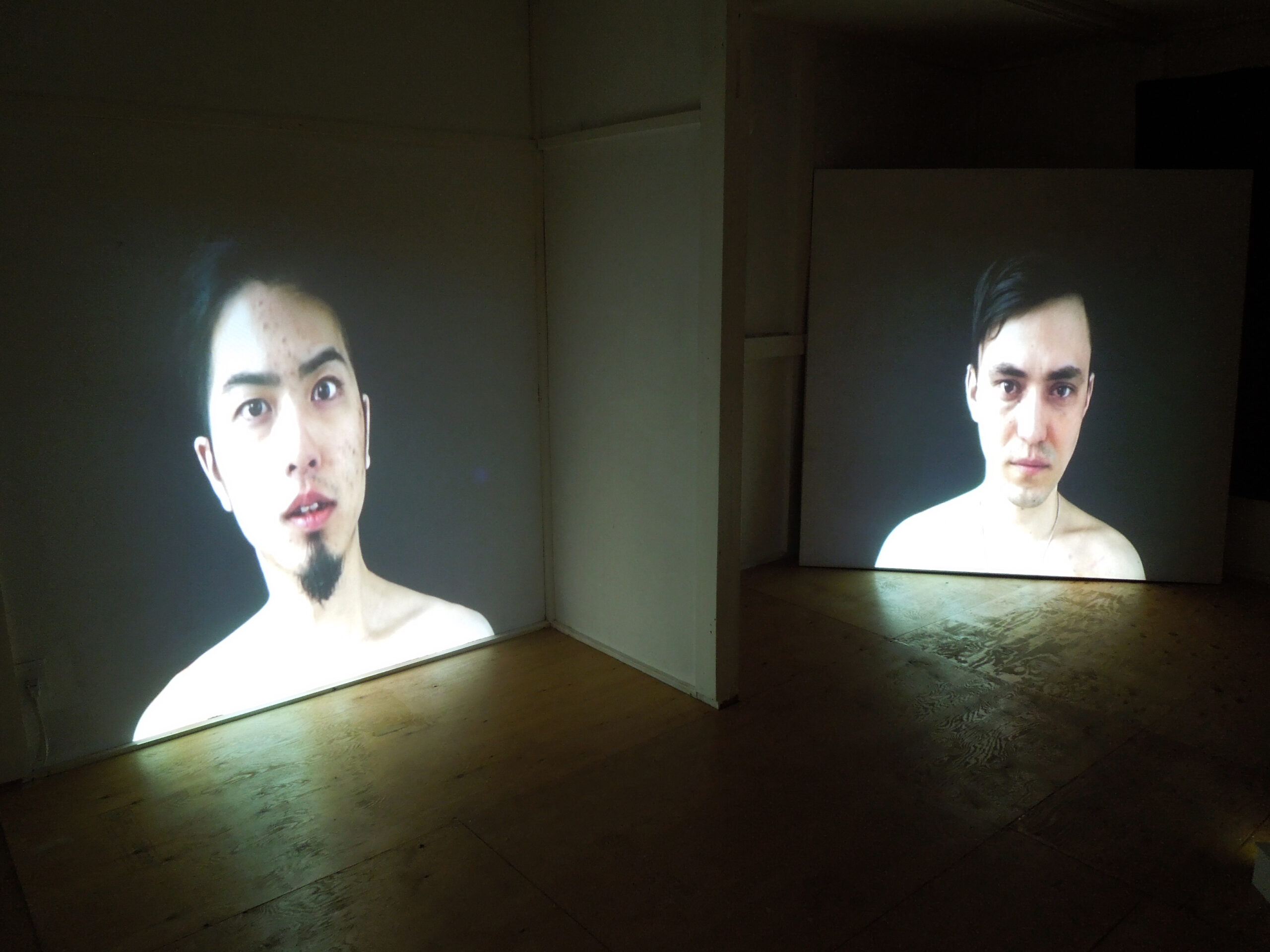
The project’s participants propose viewing history not through a dry chronology, but through the lens of observer and observed. This concept permeates all levels of the project from the mirror like reflection of the tragedies of different nations to the sudden discovery that yesterday’s enemies, separated by a front line, today reveal themselves to be links in a single chain. In this context, the figure of the artist evolves from passive witness or aggressive ideologist to communicator a mediator who uses art as a tool for social communication and reflection.
Particular attention is paid to the very nature of observation.
The project poses a critical question could the very presence of the “other” be it a camera lens, a soldier’s binoculars, or a viewer’s gaze change an object’s behavior?
Exploring this stressful impact transforms the exhibition space into a laboratory of meanings, where the everyday meets a critical analysis of reality.
The project’s conclusion is the affirmation of the possibility of dialogue where history has only presumed silence or conflict.
Through soundscapes, video narratives, and lively discourse, the exhibition demonstrates that survival in “tomorrow’s yesterday” depends on our ability to recognize a creative partner in a potential adversary.
This is a manifesto of responsibility for the quality of social connection, transforming the disparate fragments of the past into a unified panorama of the future, where an awareness of history’s lessons becomes the only reliable shield against their repetition.
2016 “Panorama of the past or how to survive yesterday’s tomorrow”, “Universe 69” (2nd phase), Gallery “co-ume lab” (Tokyo, Japan)
Curator of the project:
Alexandru Raevschi
Co-curator of the project:
Hidemi Nishida
Participants:
Atsuko Mochida, Hidemi Nishida, Kana Kuroiwa, Yumino Hagiwara, Anna Khachatryan, Maro Sahakyan, Artush Mkrtchyan, Karine Khachatryan, Nina Pijoyan, Zaruhi Arshakian, Juliet Avagyan, Alexandru Raevschi, Liana Hakobyan.
Partners of the project:
Joshibi University of Art and Design, (Tokyo, Japan)
Gyumri branch of Yerevan State Academy of Fine Arts, (Gyumri, Armenia)
Gallery “co-ume lab” (Tokyo, Japan)
The project was implemented with financial support:
Nomura Foundation, (Tokyo, Japan)