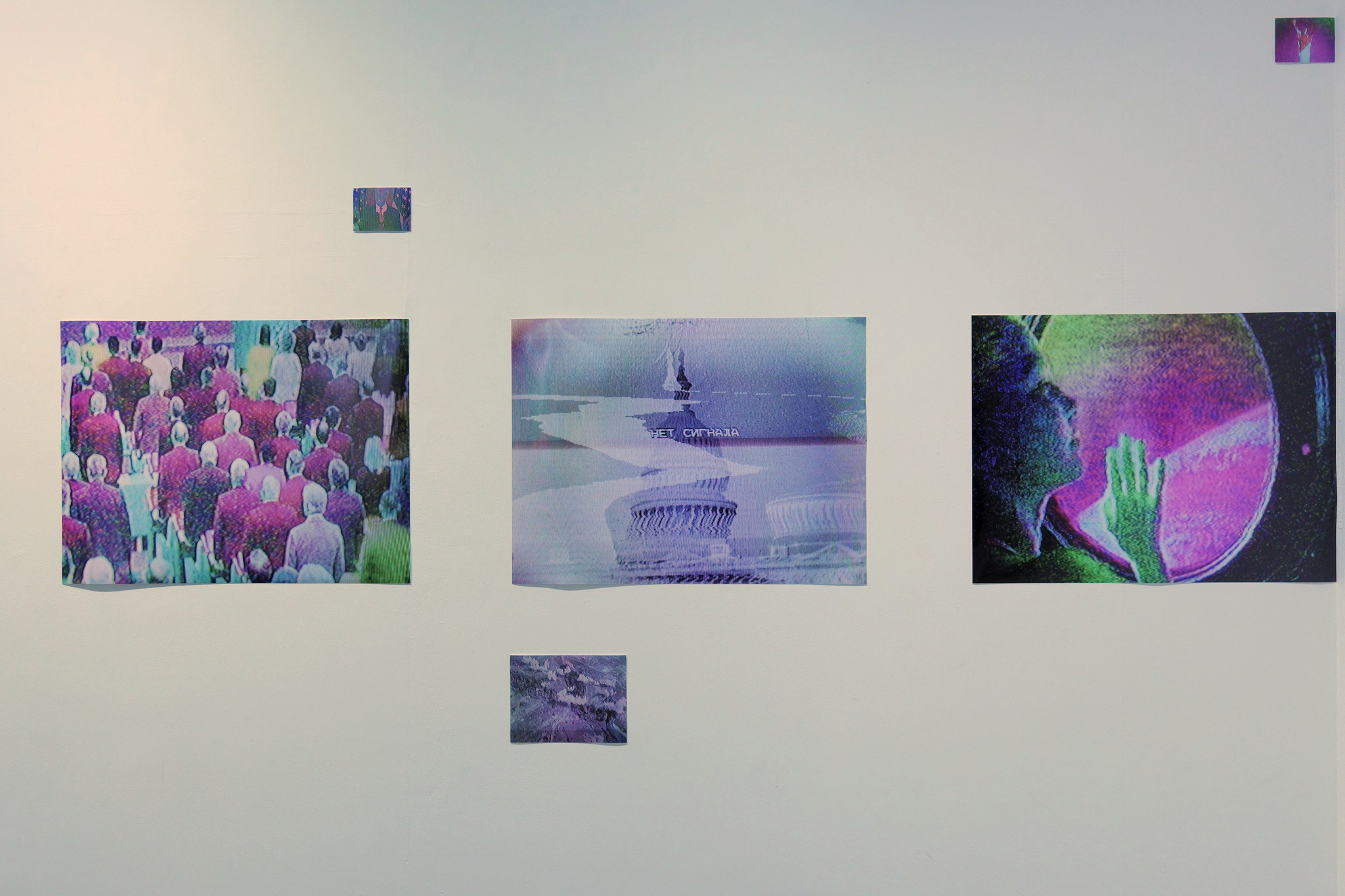
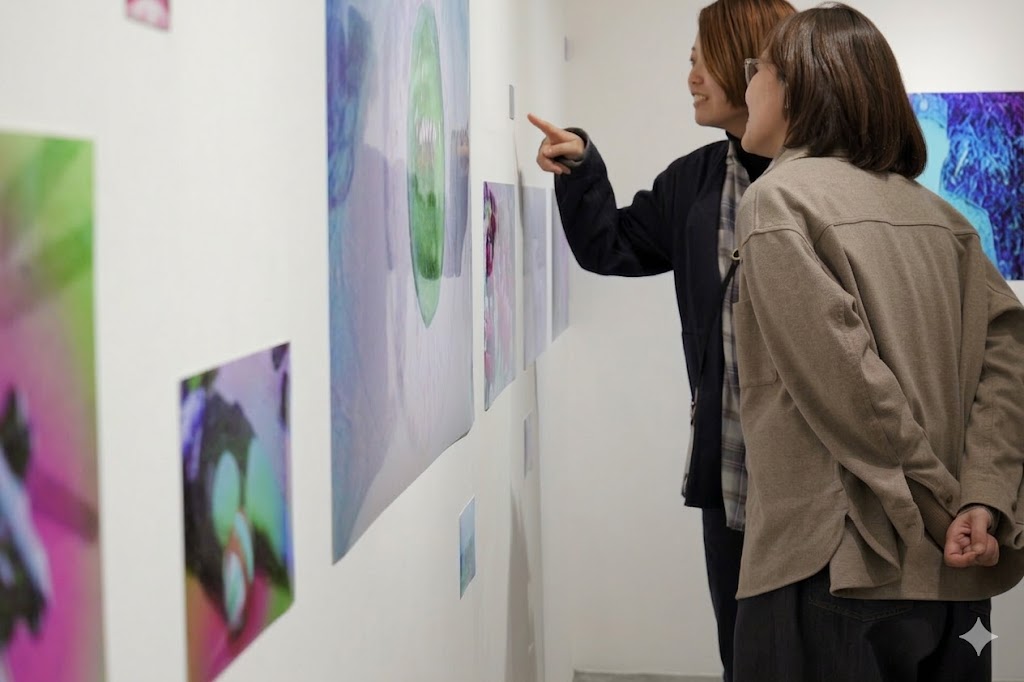
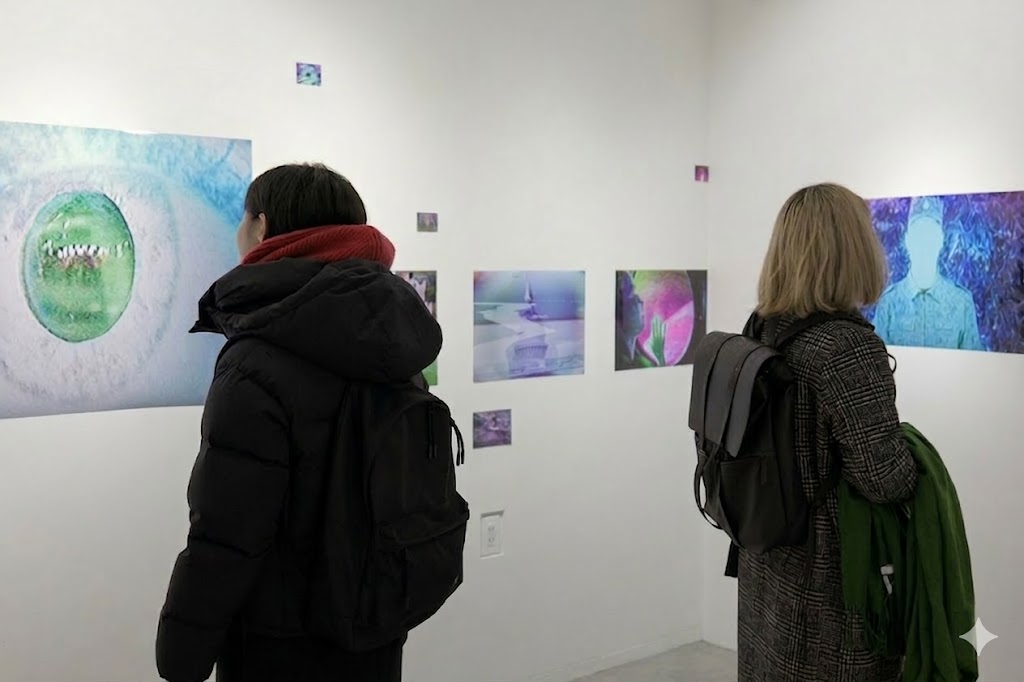
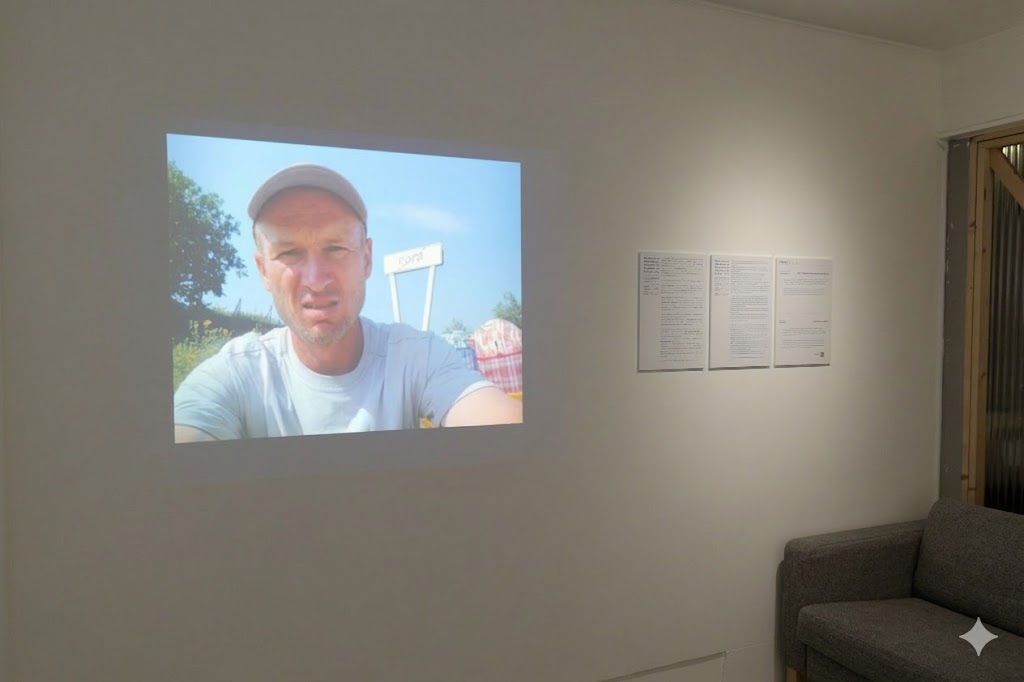
Memories of the Future, or Beyond the Shadows of Empires (Term 2)
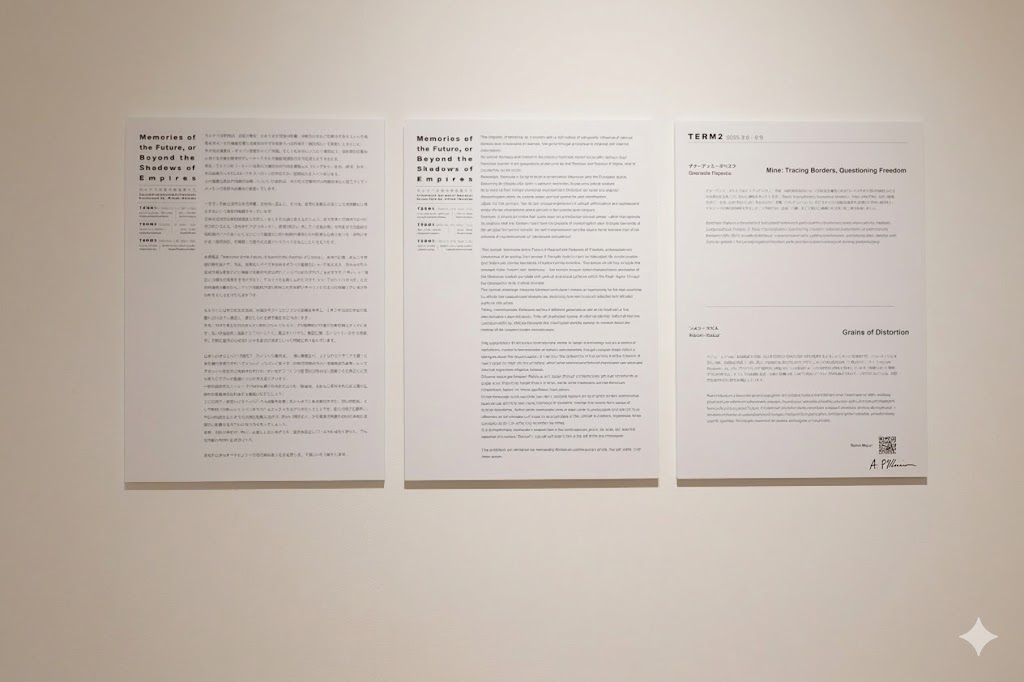
Memories of the Future, or Beyond the Shadows of Empires
The Republic of Moldova, as a country with a rich history of conquests, the influence of various empires, and a crossroads of cultures, has gone through processes of external and internal colonization. Its cultural heritage was formed within the realm of complex relationships with various major historical players in the geopolitical arena such as the Ottoman and Russian Empires, and of course, the Soviet Union.
Nowadays, Moldova is trying to build a constructive discourse with the European space, becoming its integral part across political, economic, social, and cultural policies. As a result of this complex historical development, Moldovan art faces the need for decolonization within its cultural space and the search for self-identification.
Japan, on the contrary, has its own unique experience of cultural self-isolation and subsequent entry into the international arena as one of the leading world powers.
However, it should be noted that Japan was not a traditional subject of Western colonial power; rather the opposite, its relations with the Western world and the process of modernization also included elements of the struggle for cultural identity, its own independence, and the desire not to become one of the colonies of “developed civilizations.”
The project “Memories of the Future or Beyond the Shadows of Empires” emphasizes the importance of analyzing the traumas of the past, which in turn are integrated into more complex and multi-level cultural narratives of today’s social priorities.
This allows us not only to recall the concept of the “center” and “periphery”, but also to analyze how the postcolonial processes of the Moldovan context correlate with cultural and social patterns within the Asian region through the perspective of its cultural diversity.
The cultural exchange between Moldova and Japan creates an opportunity for the two countries to rethink their postcolonial experiences, exploring how each country has adapted to and resisted external influences.
Today, contemporary Moldovan artists of different generations are at the forefront of this decolonial deconstruction. Their art addresses issues of national identity, historical trauma, collective memory, attitudes towards the Soviet past, and the search for oneself within the context of the situation under consideration.
The presentation of Moldovan contemporary artists in Japan is becoming not just a series of exhibitions or a kind of demonstration of certain achievements through various media; it is a dialogue about the decolonization of memory, the destruction of hierarchies, and the creation of new models of intercultural exchange, where local stories and forms of expression can exist and develop regardless of global dictates.
Cultural exchange between Moldova and Japan through contemporary art is an opportunity to break down traditional hierarchies in culture, where some narratives and art forms are considered “higher” or “more significant” than others.
In this exchange, both countries can learn valuable lessons by reconsidering their postcolonial experiences and find new visual practices of liberation, through the search for a space of cultural resistance, within which tomorrow’s view of each other is constructed to exert an autonomous influence on the formation of hierarchical postulates of the cultural foundation, regardless of the civilizational turn our societies are on today.
It is fundamentally important to accept that in the contemporary world, art does not need the approval of a certain “Center” it is self-sufficient. This is the art of the era of renewal!
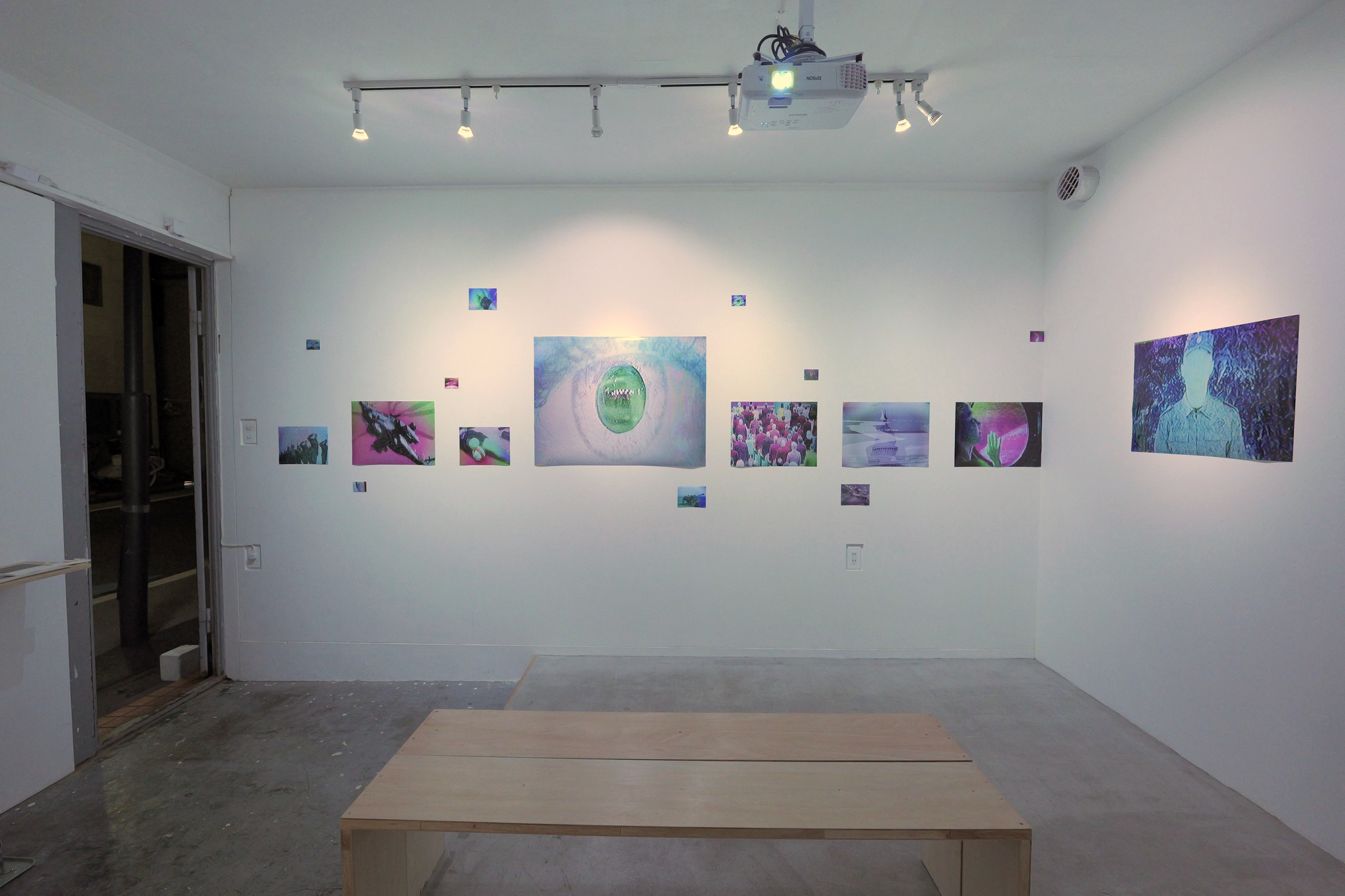
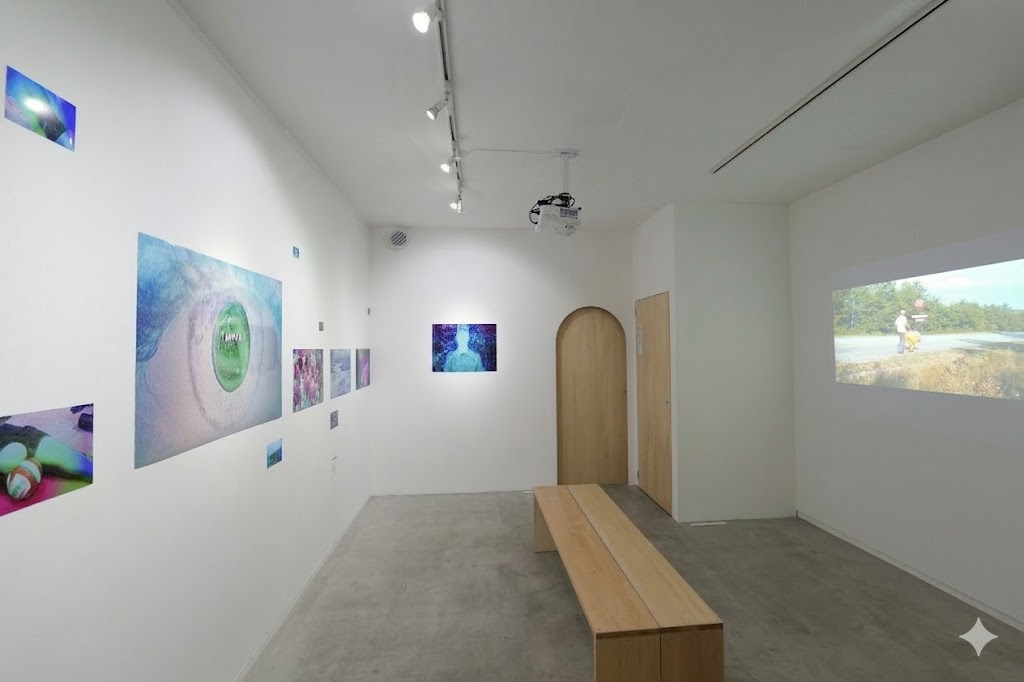
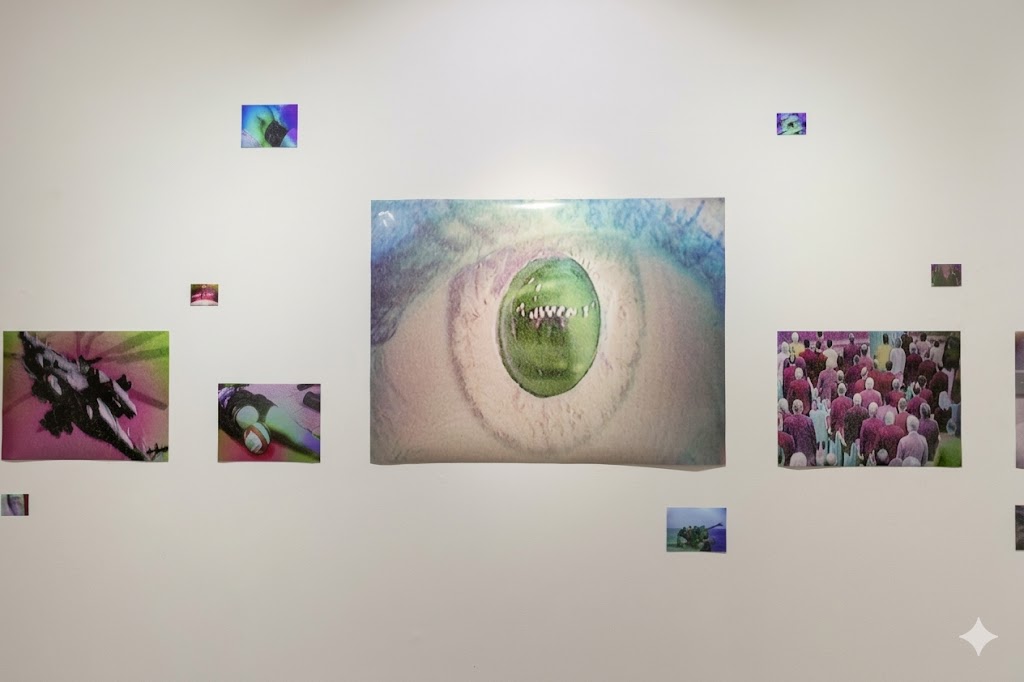
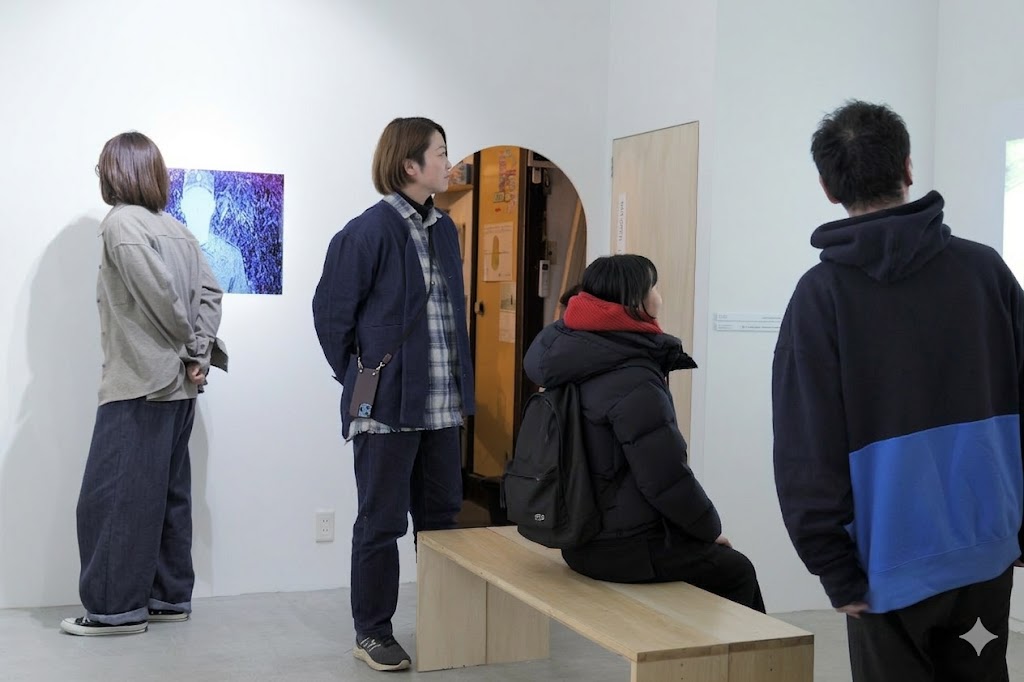
The project “Memories of the Future or Beyond the Shadows of Empires” includes the implementation of three exhibitions, each of which brings together two artists: from the young and the older generation.
The choice of artists is based on a dialogue between generations and the representation of different experiences and attitudes toward the local context, as well as an individual vision of situations that reveal the main narratives of the project, while creating a space for the exchange of ideas, where the past and future of art intertwine, forming unique interpretations.
The project consisted of 3 exhibitions (chapters)
Chapter 2
Time of implementation: March 06 – March 09, 2025
Participants: Ghenadie Popescu – Romin Mazur
Curator of the project:
Alexandru Raevschi
Co-curator of the project:
Hidemi Nishida
Special thanks to:
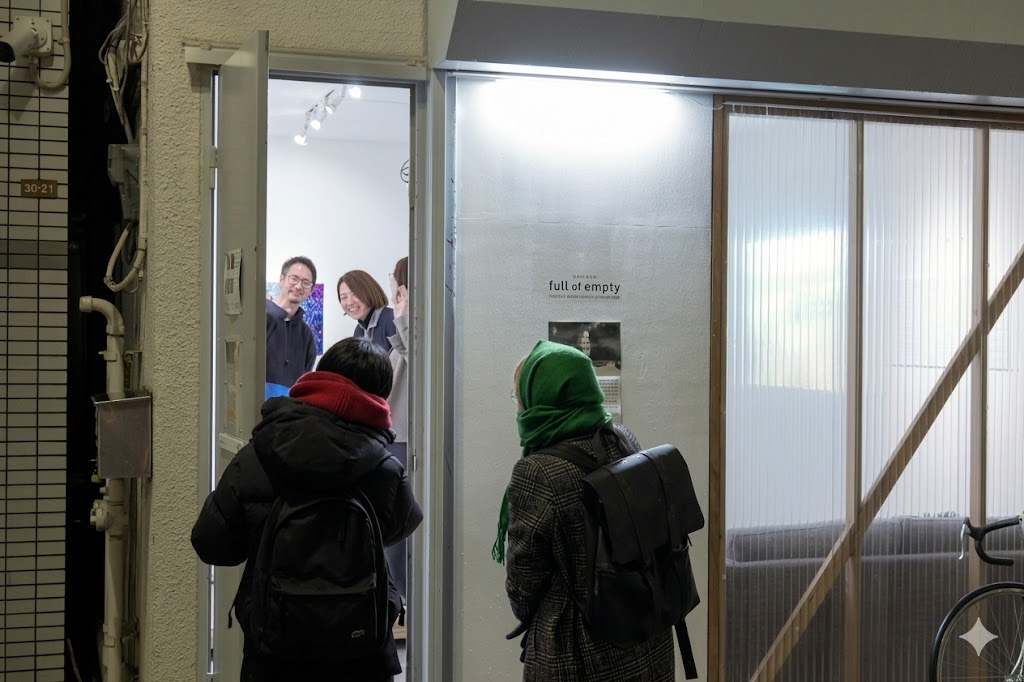
full ⇔ empty gallery (Tokyo/Japan)
Joshibi University of Art and Design (Tokyo/Japan)
Organizers of the project:
Center for Contemporary Culture (Chisinau/Moldova)
Joshibi University of Art and Design (Tokyo/Japan)
full ⇔ empty gallery (Tokyo/Japan)
Photo and video documentation by:
Hidemi Nishida