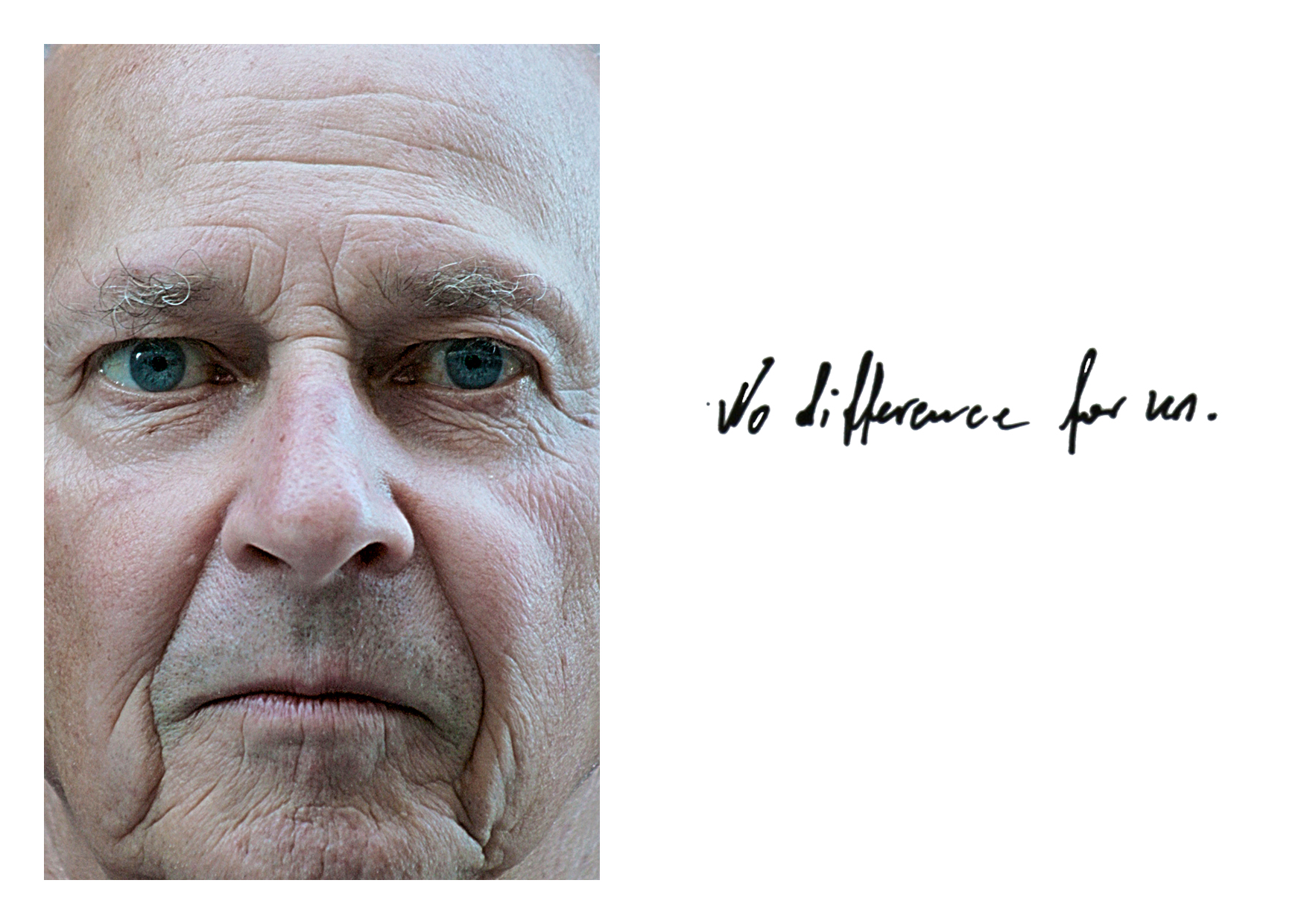
Open day
The genesis of this project lay in a period of artistic research conducted in Linz, Austria (2012), which focused on the study of territorial specificities.
During this observation, a critical focal point for socio-aesthetic analysis emerged: the distinct ethno-national fragmentation of the city’s public space.
The division of urban areas into separate, culturally isolated zones signaled a profound shift in the European social fabric, prompting an investigation into the mechanisms of coexistence and exclusion.
This local observation served as a microcosm for a broader continental phenomenon: the evident disintegration of the multiculturalism policy once proclaimed as a pillar of European identity.
In the post-2008 crisis landscape, we witnessed a resurgence of exclusionary rhetoric and nationalist movements.
This shift was fueled by a growing conviction that integration was fundamentally incompatible with existing cultural and professional disparities.
As the economic crisis deepened, the so-called “titular nations” increasingly aligned with reactionary discourses, perceiving migrant communities as resistant to labor integration and lacking in “civic gratitude.”
Conversely, this perceived marginalization often led to the radicalization of diasporas, creating a systemic friction that was mirrored in the political sphere, where far-right parties transitioned from the fringes to parliamentary seats.
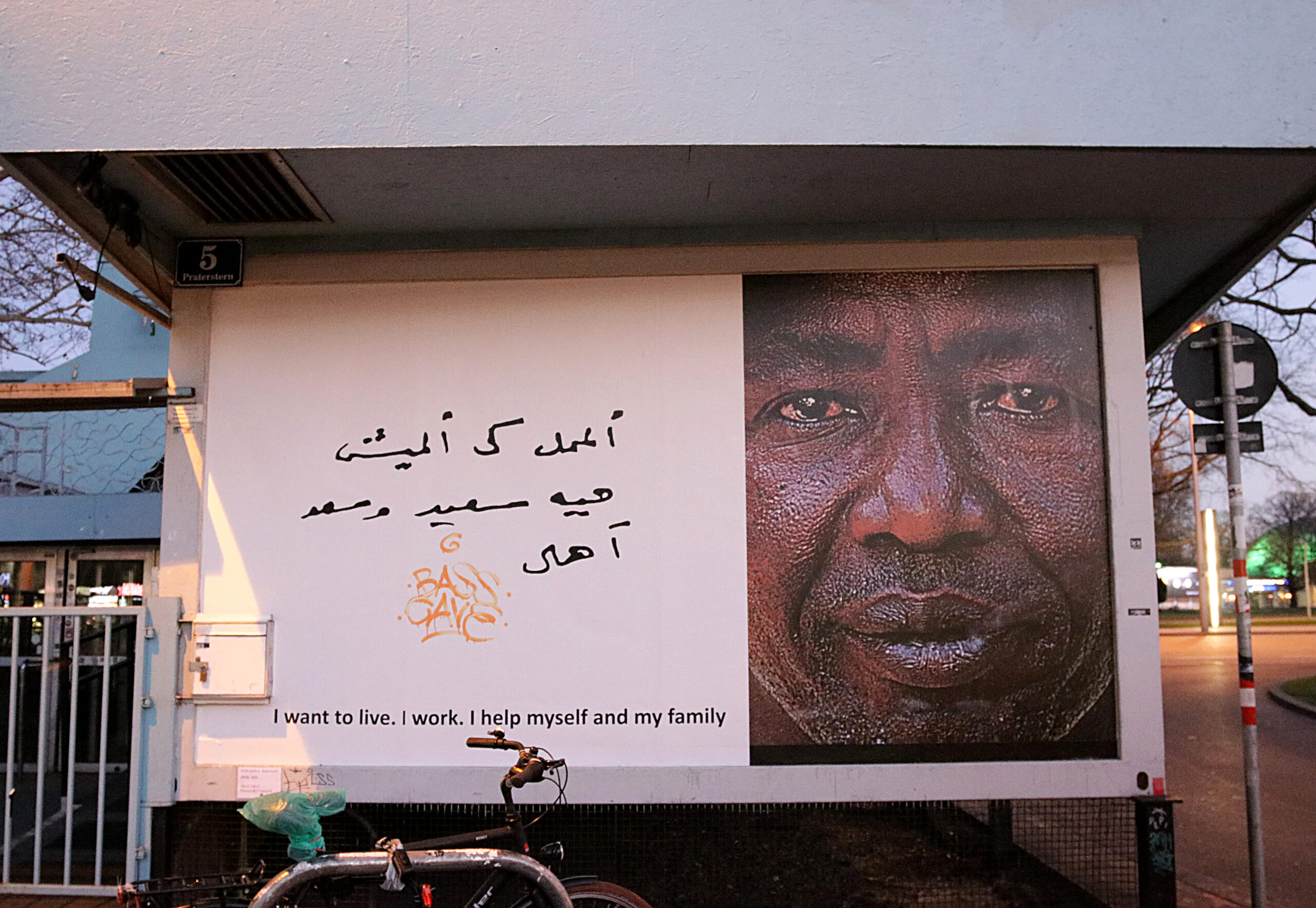
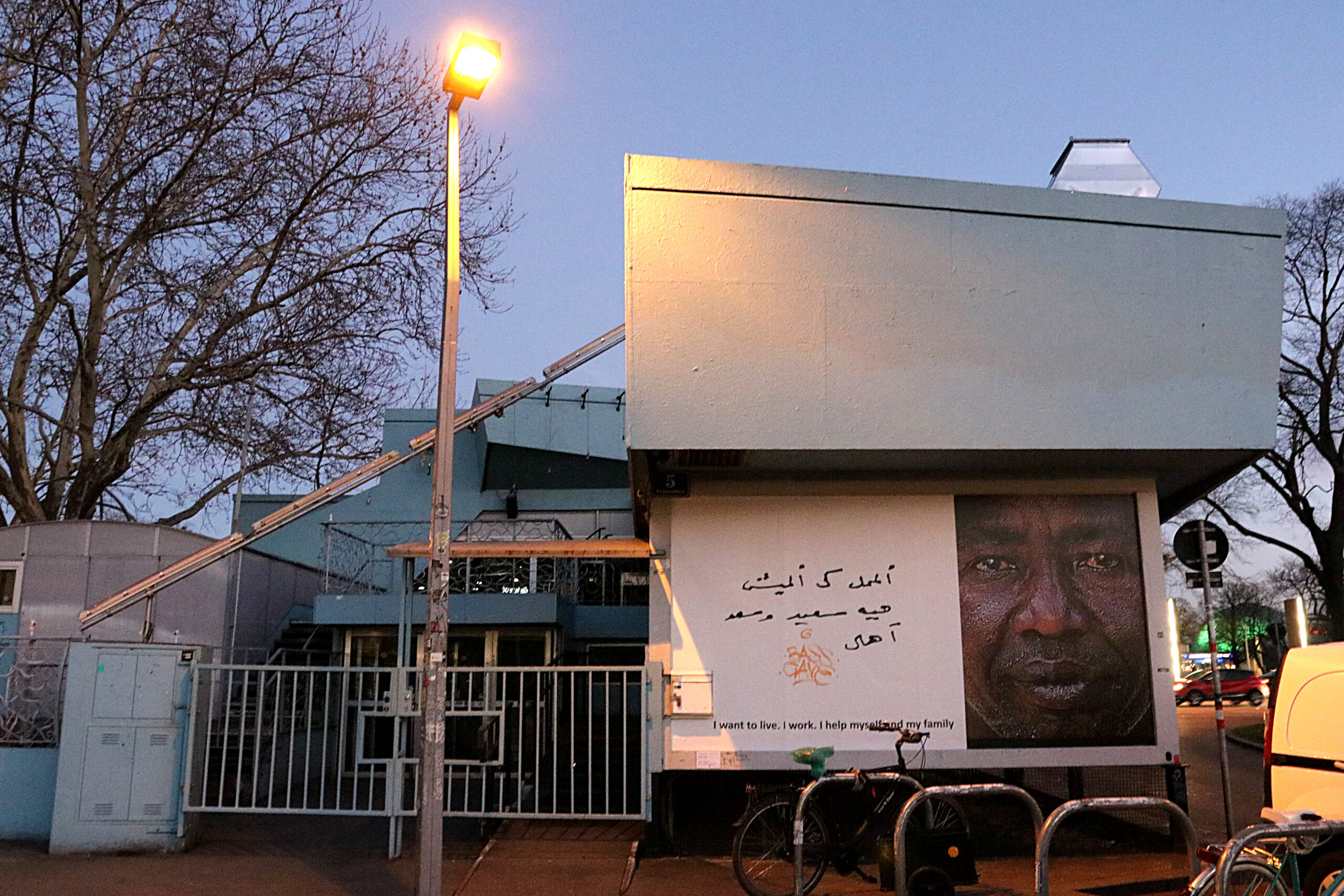
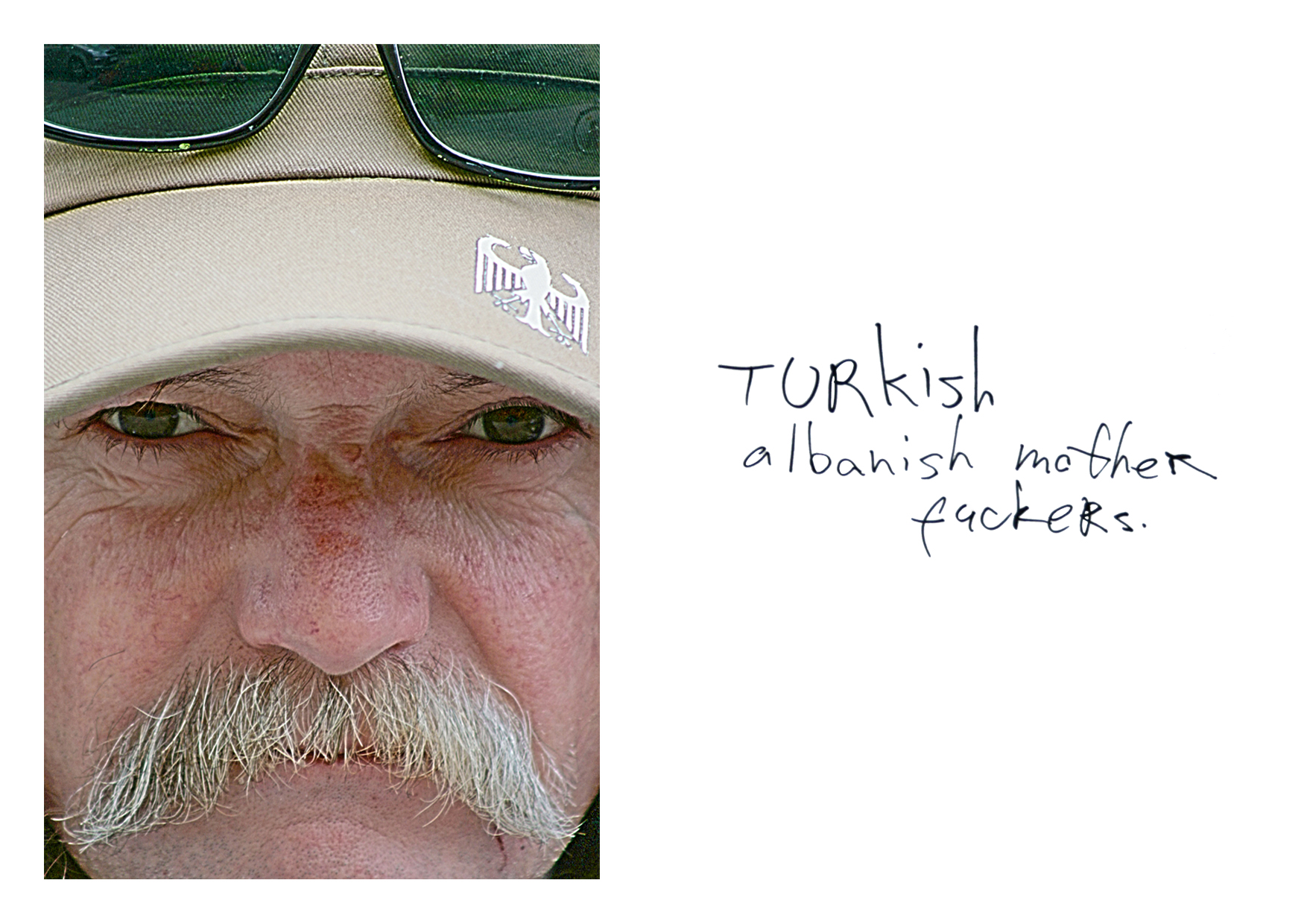
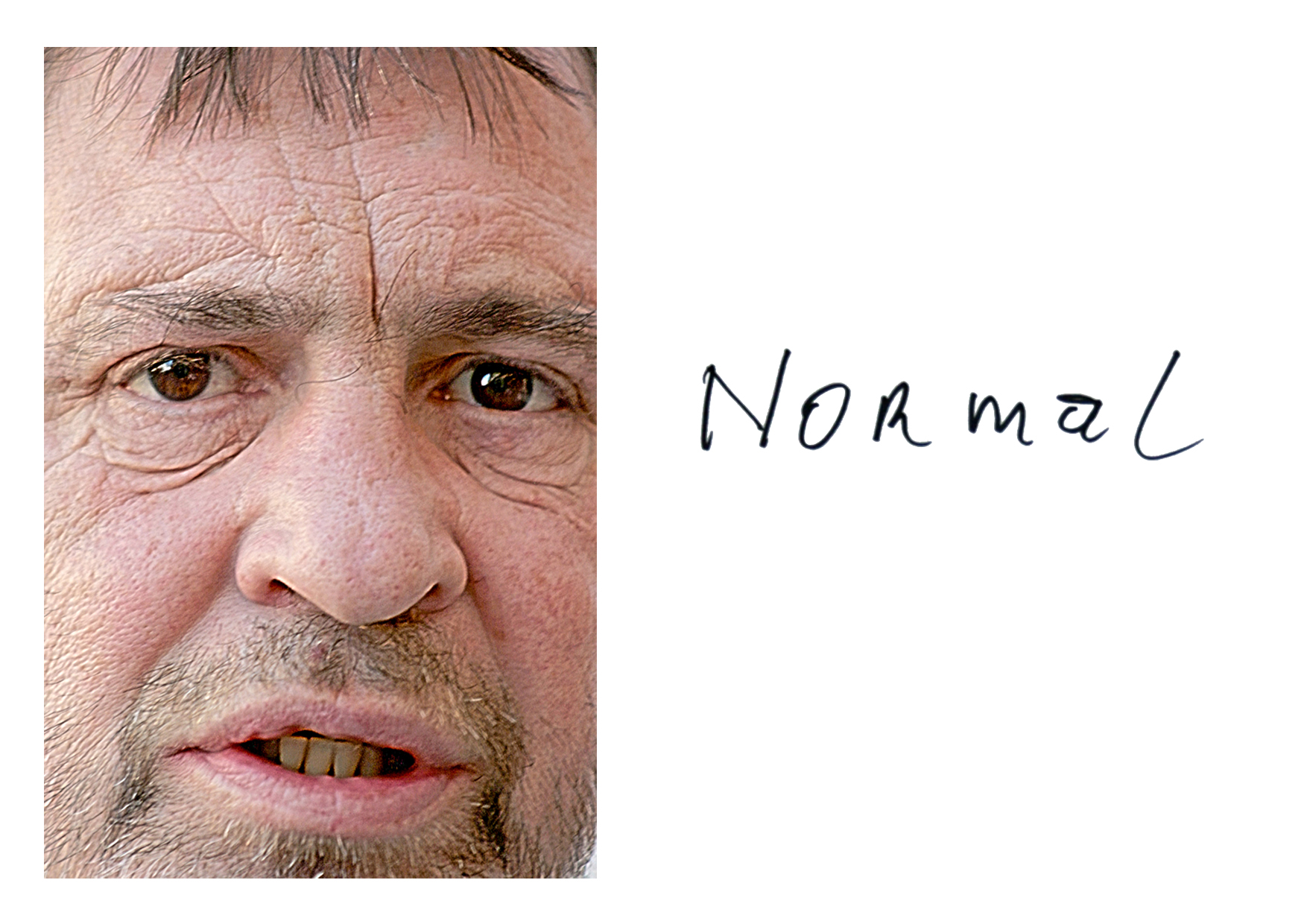
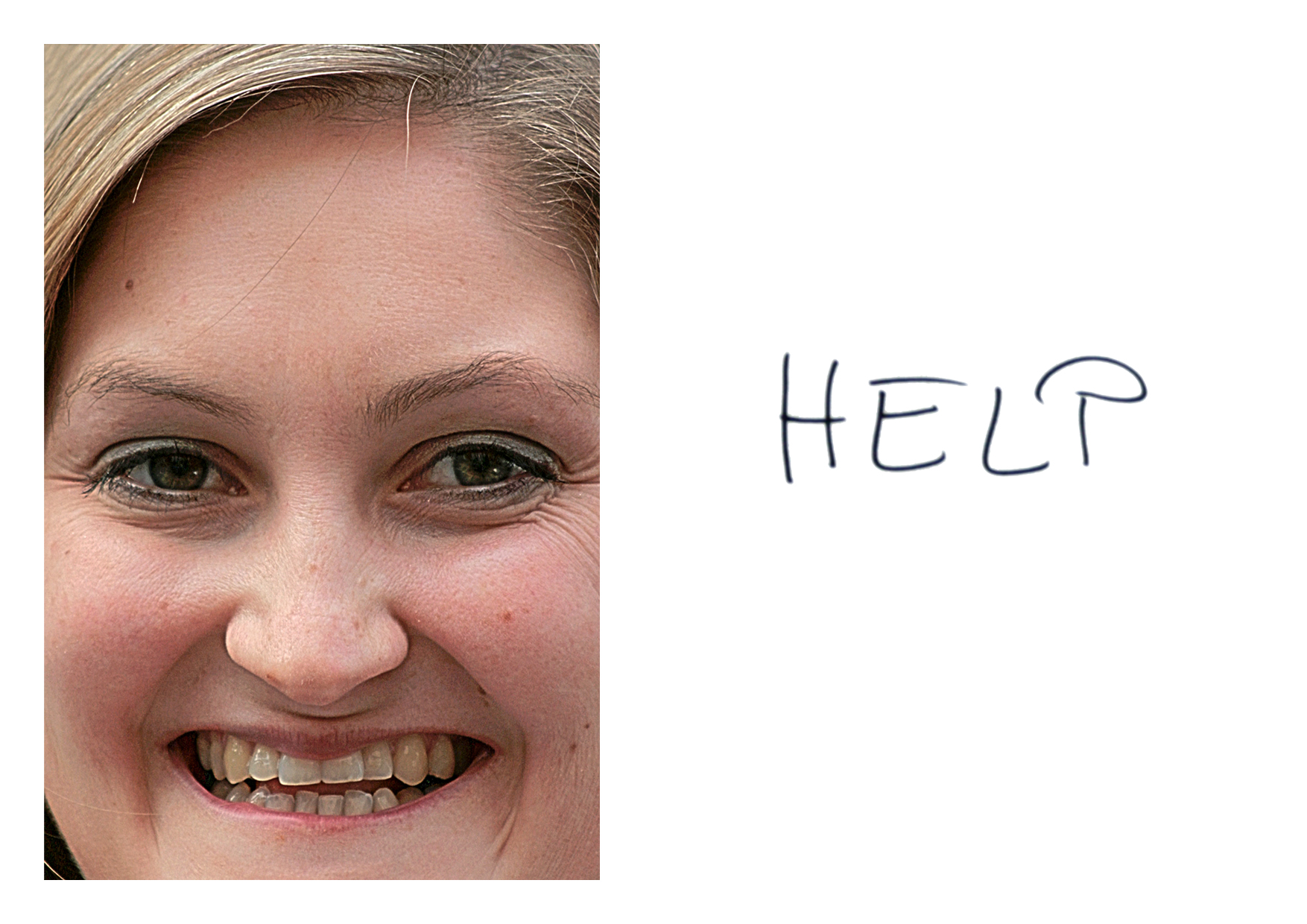
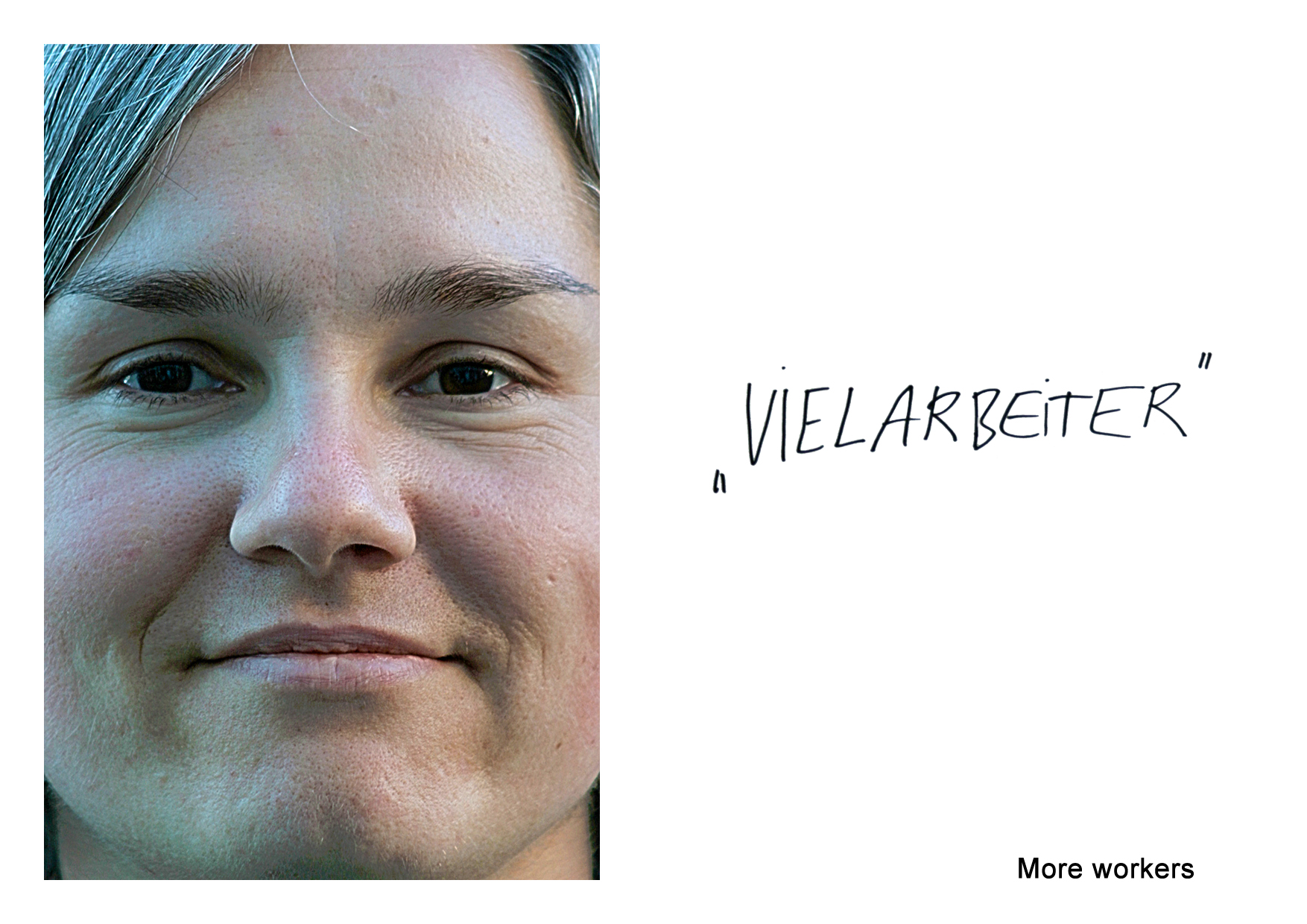
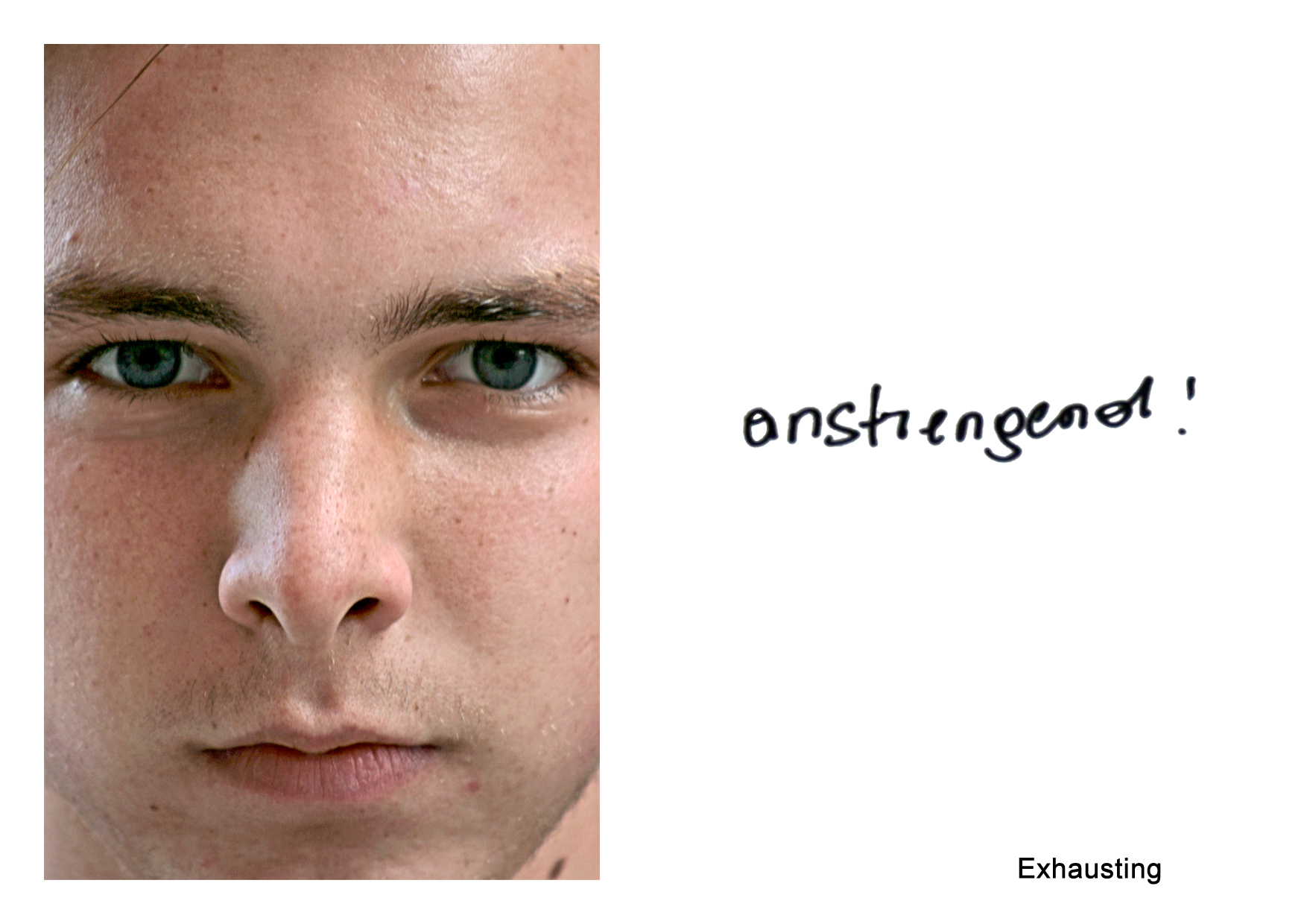
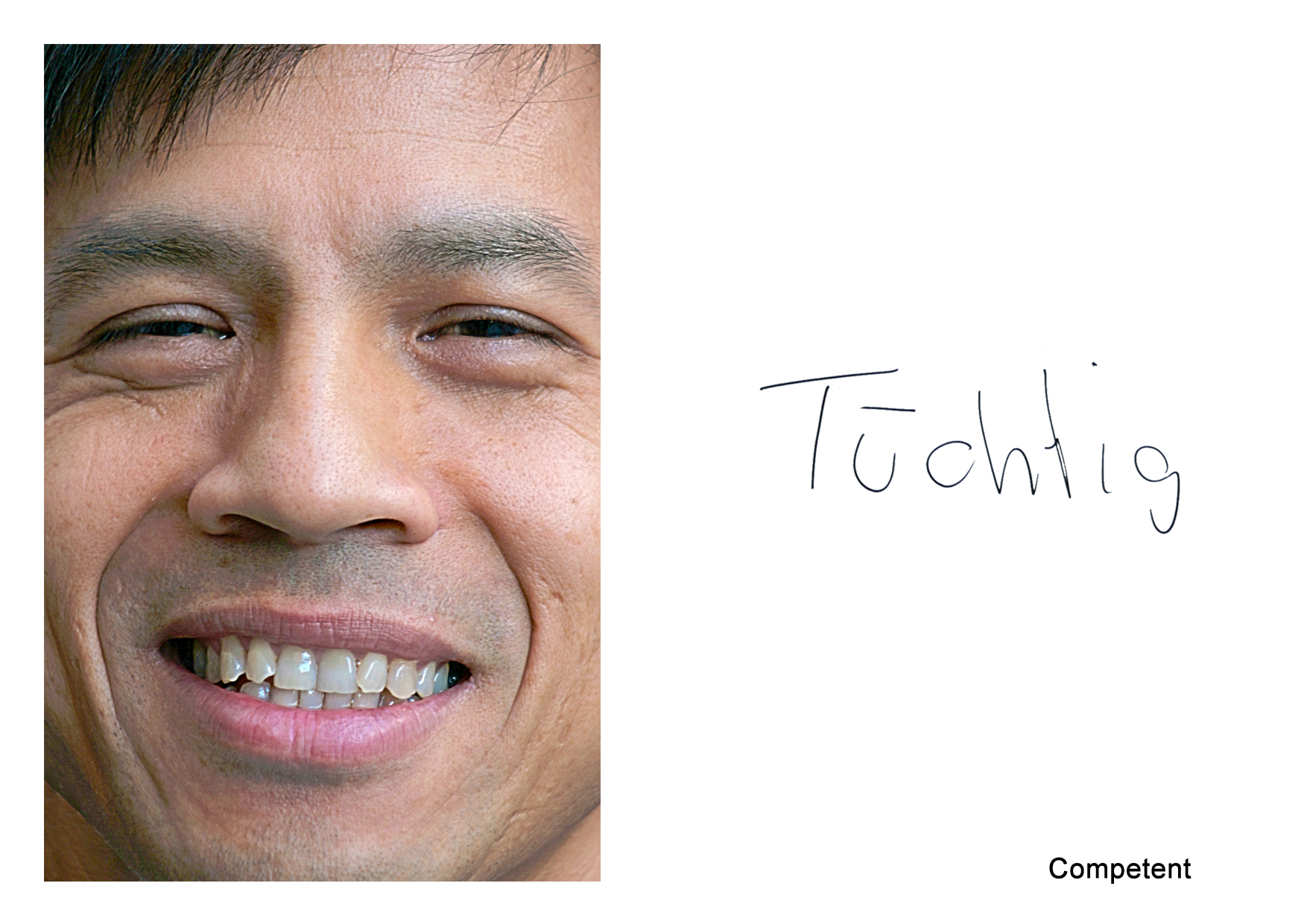
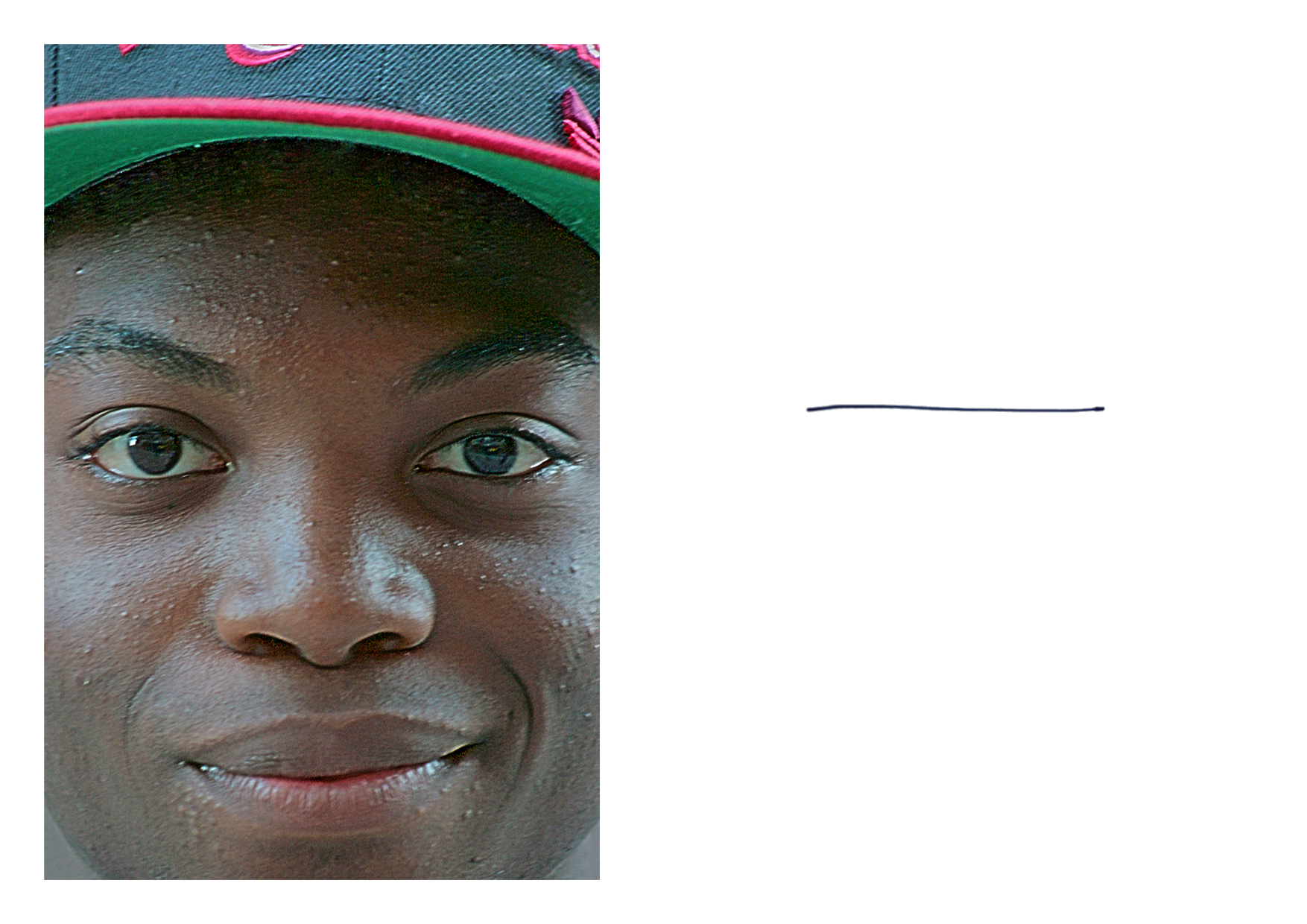
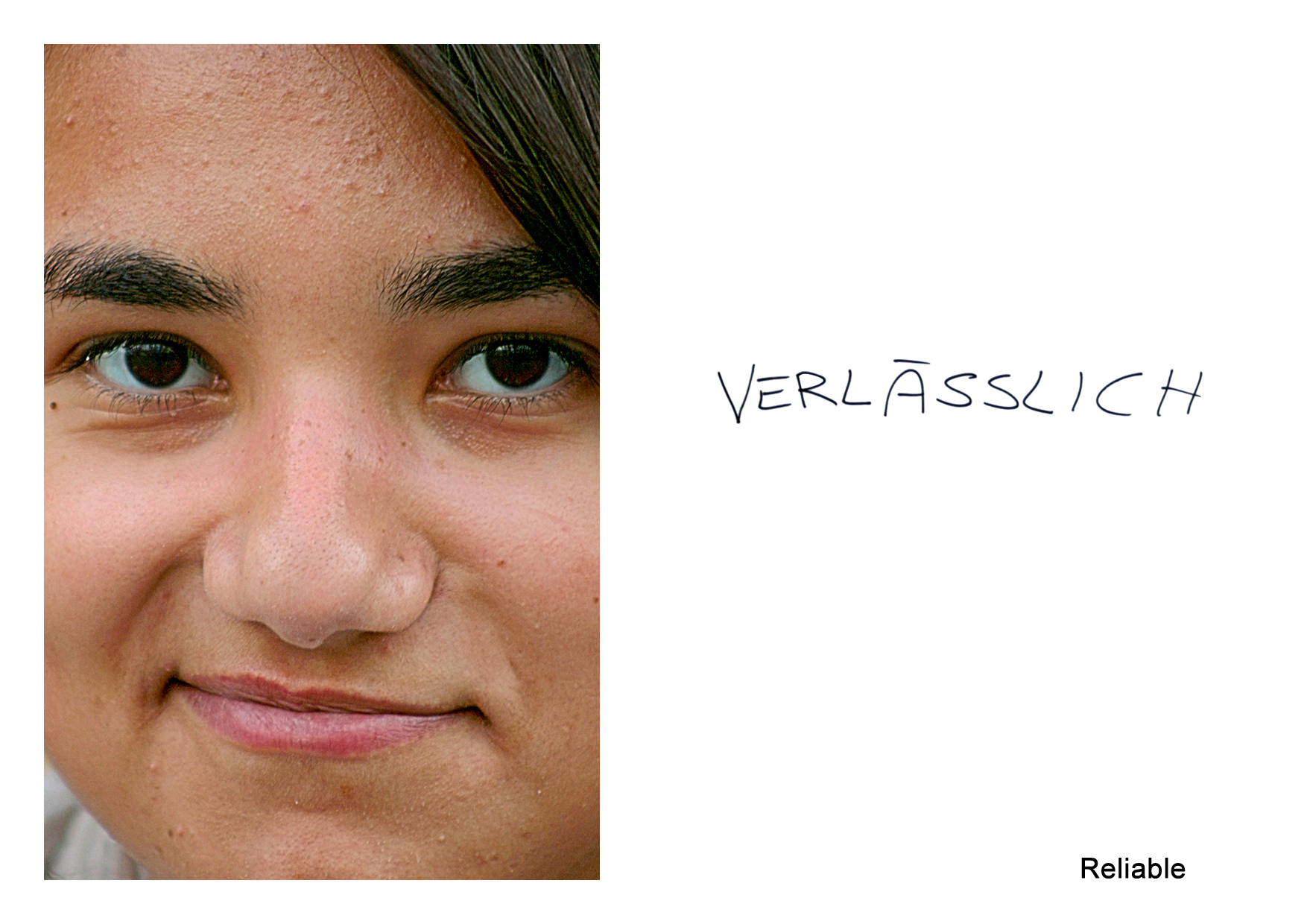
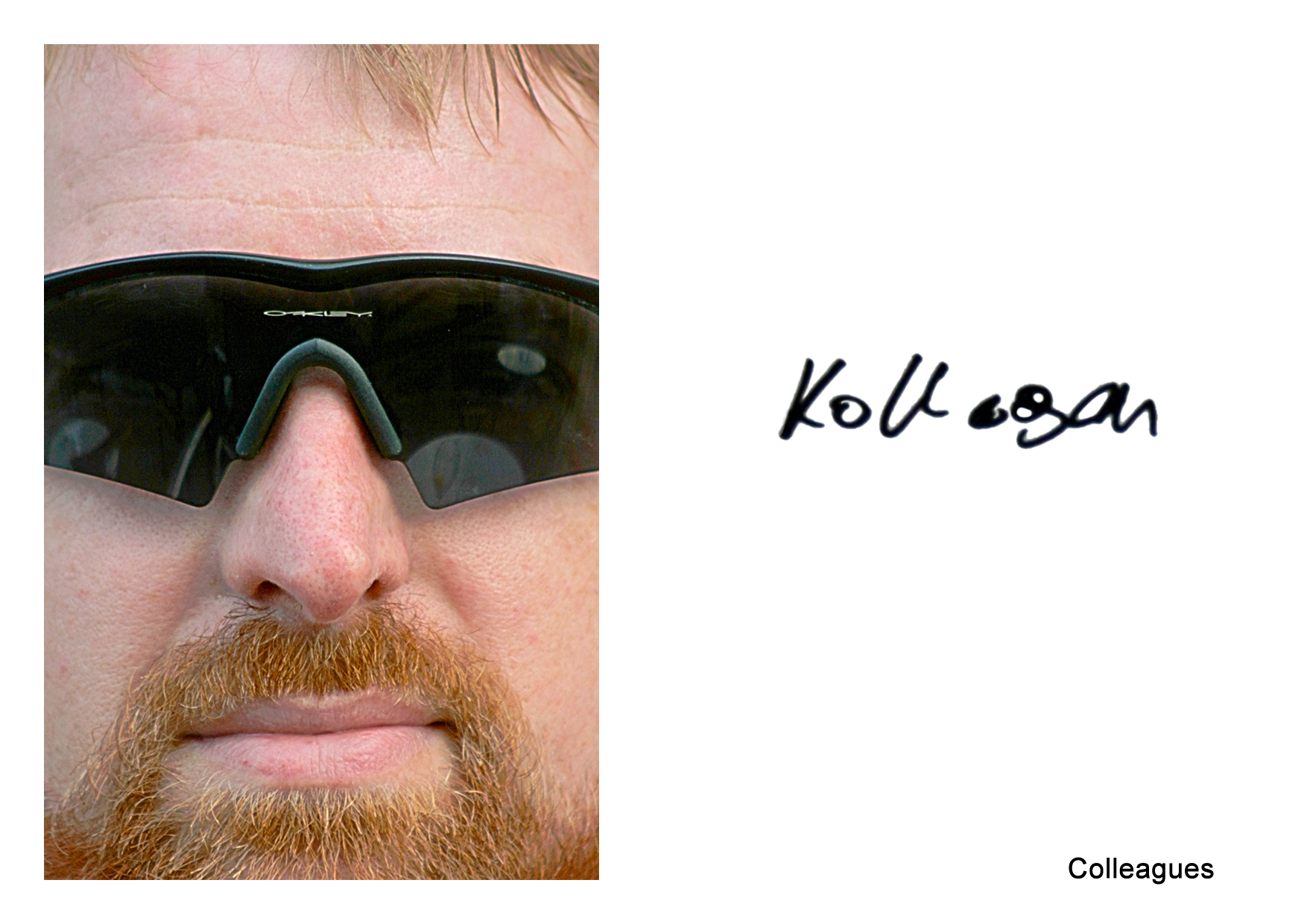
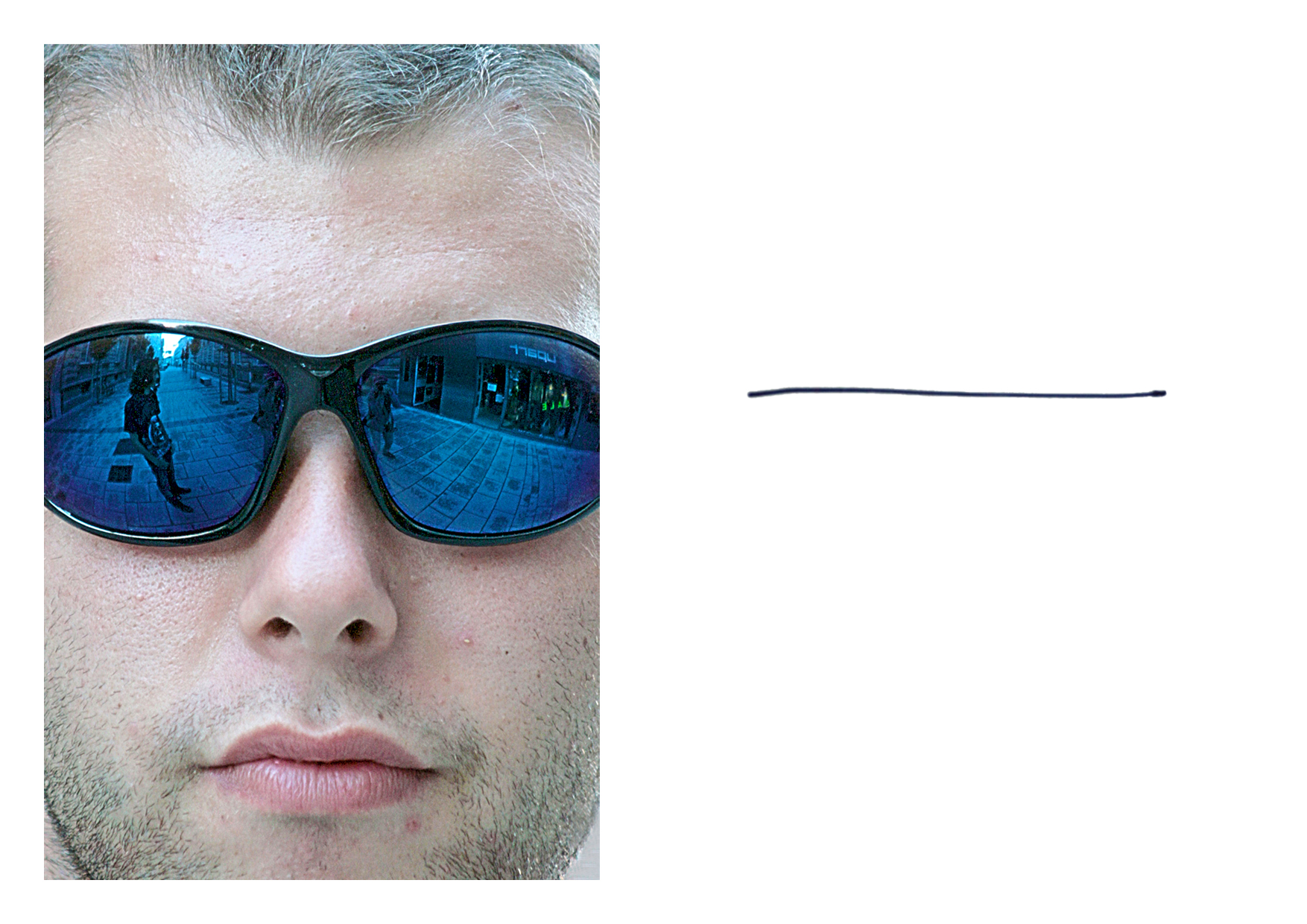
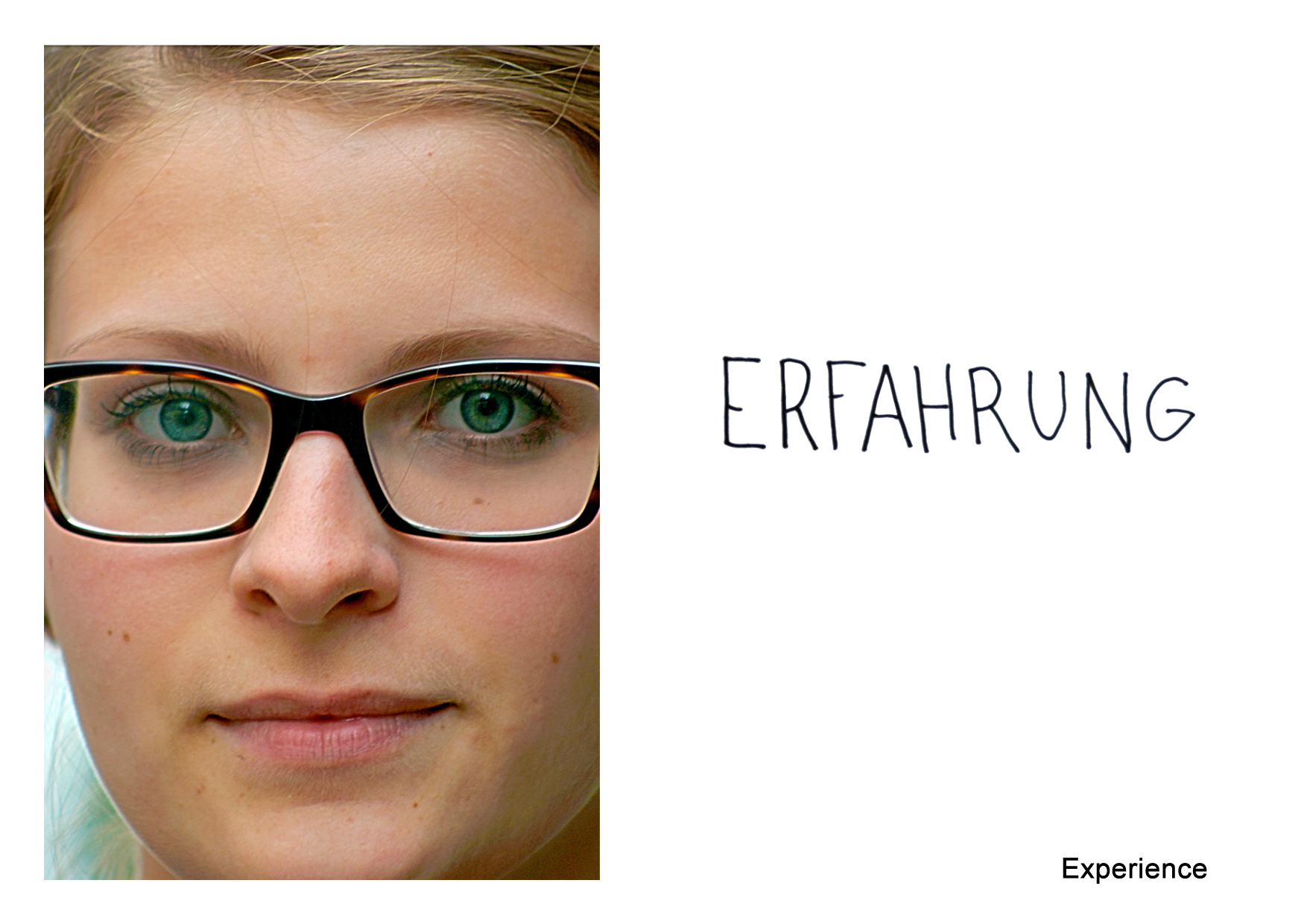
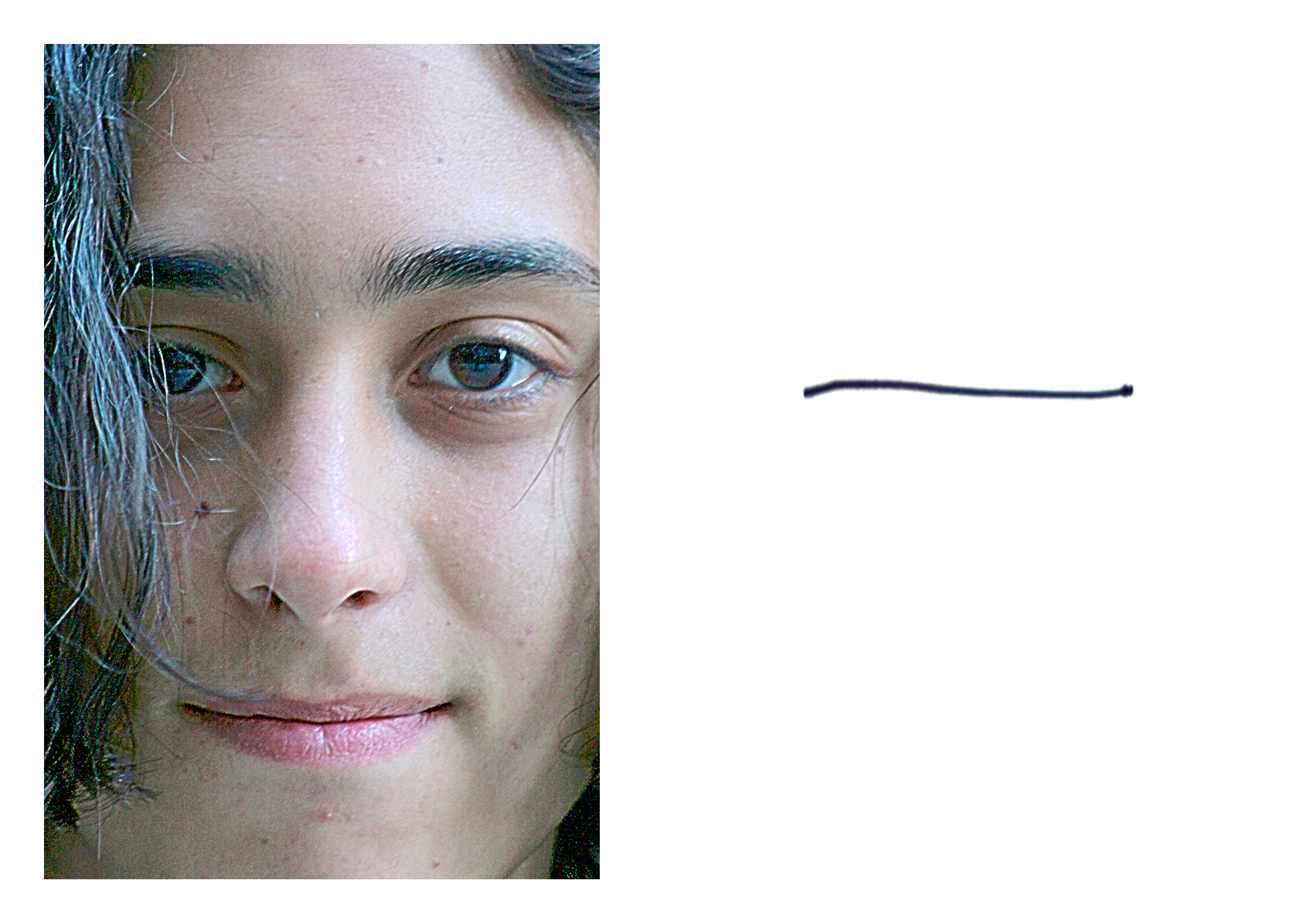
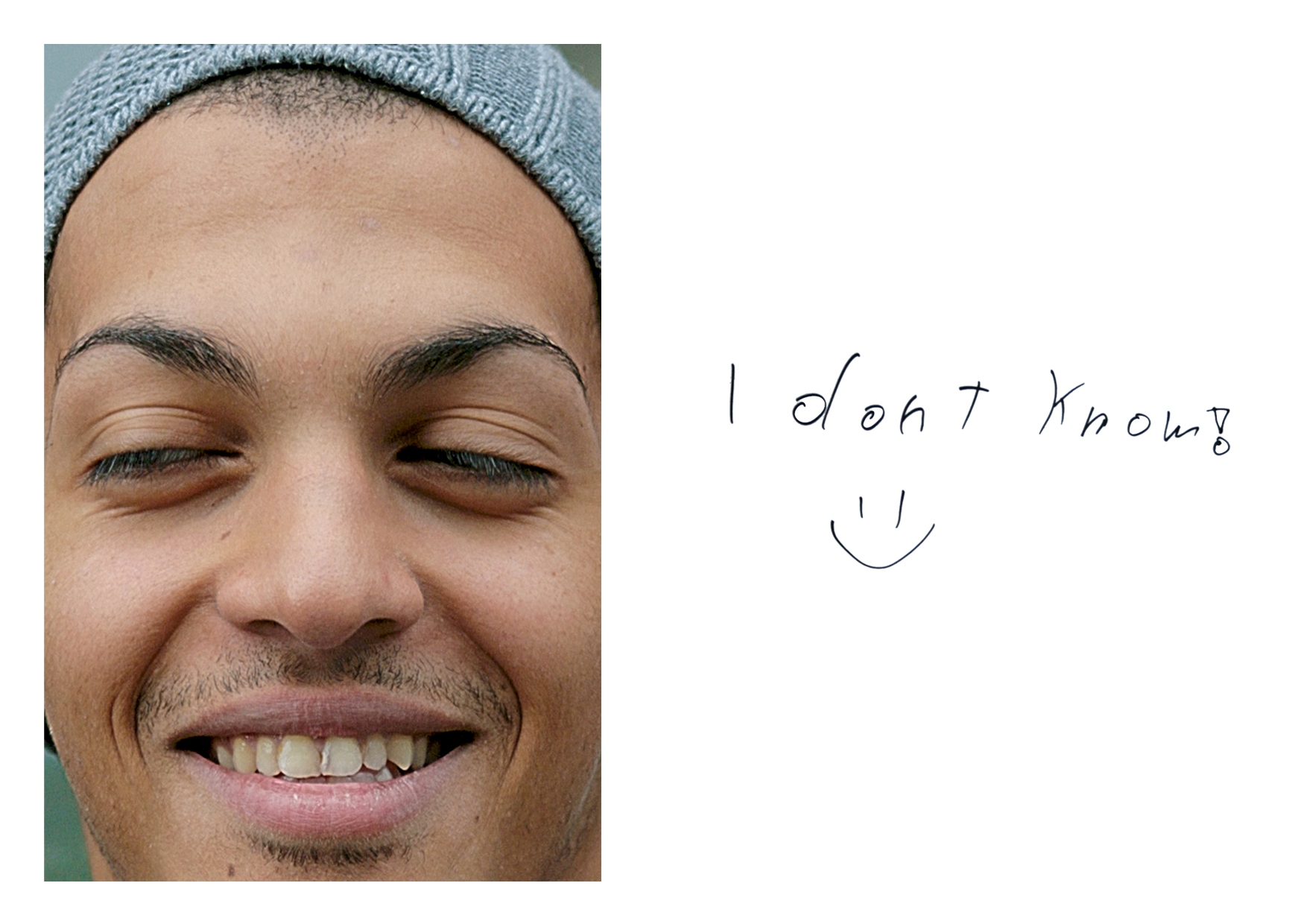
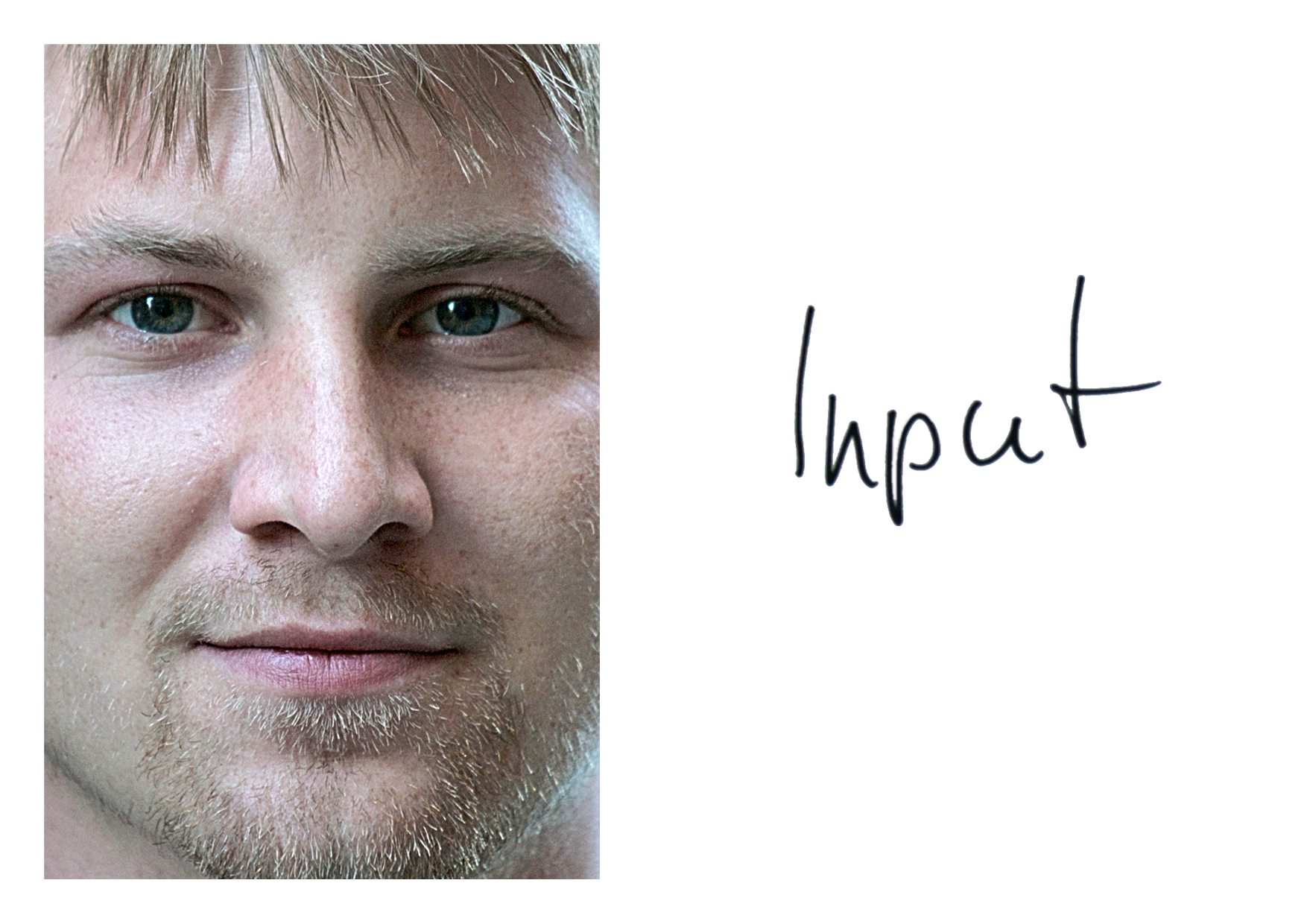
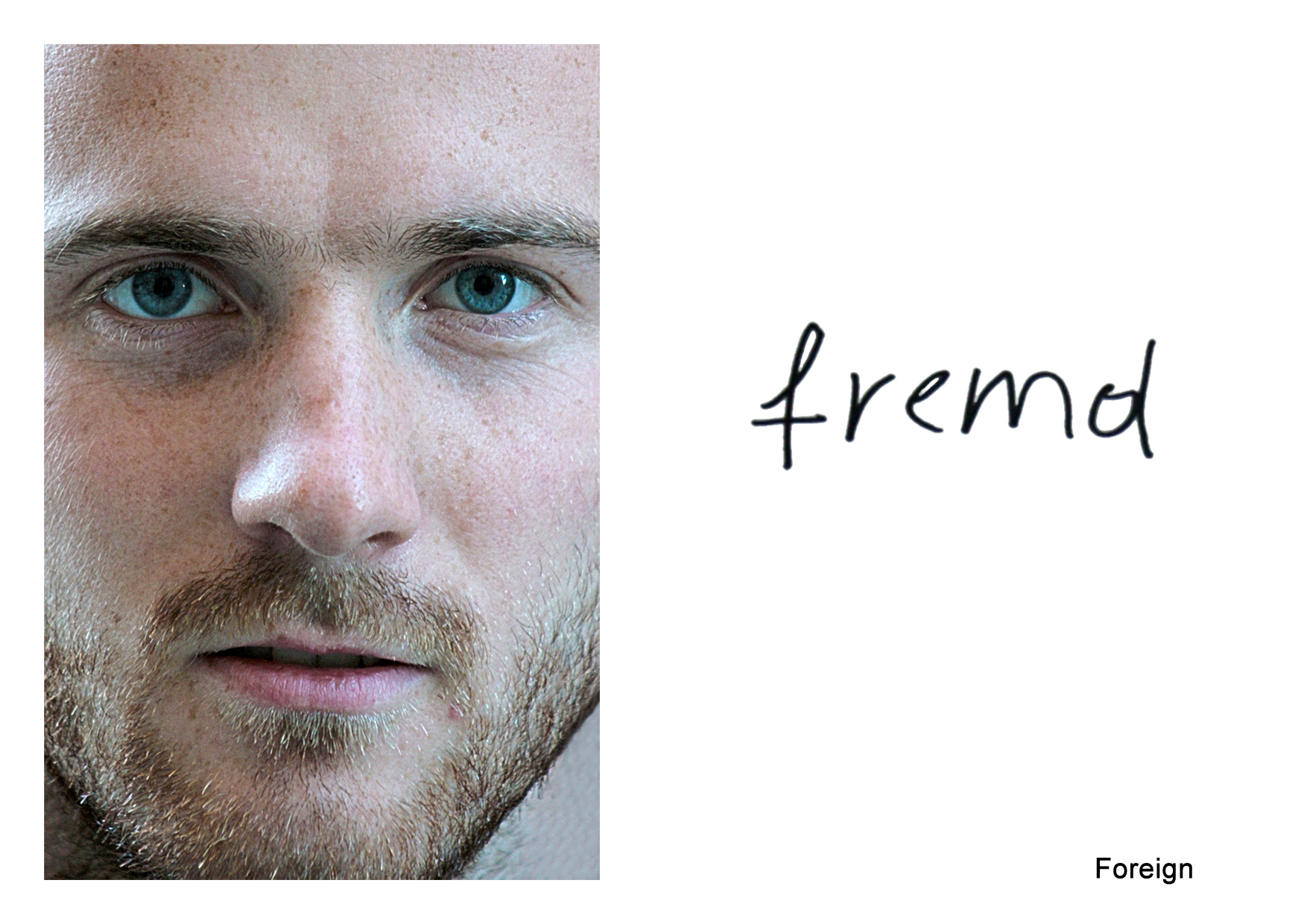
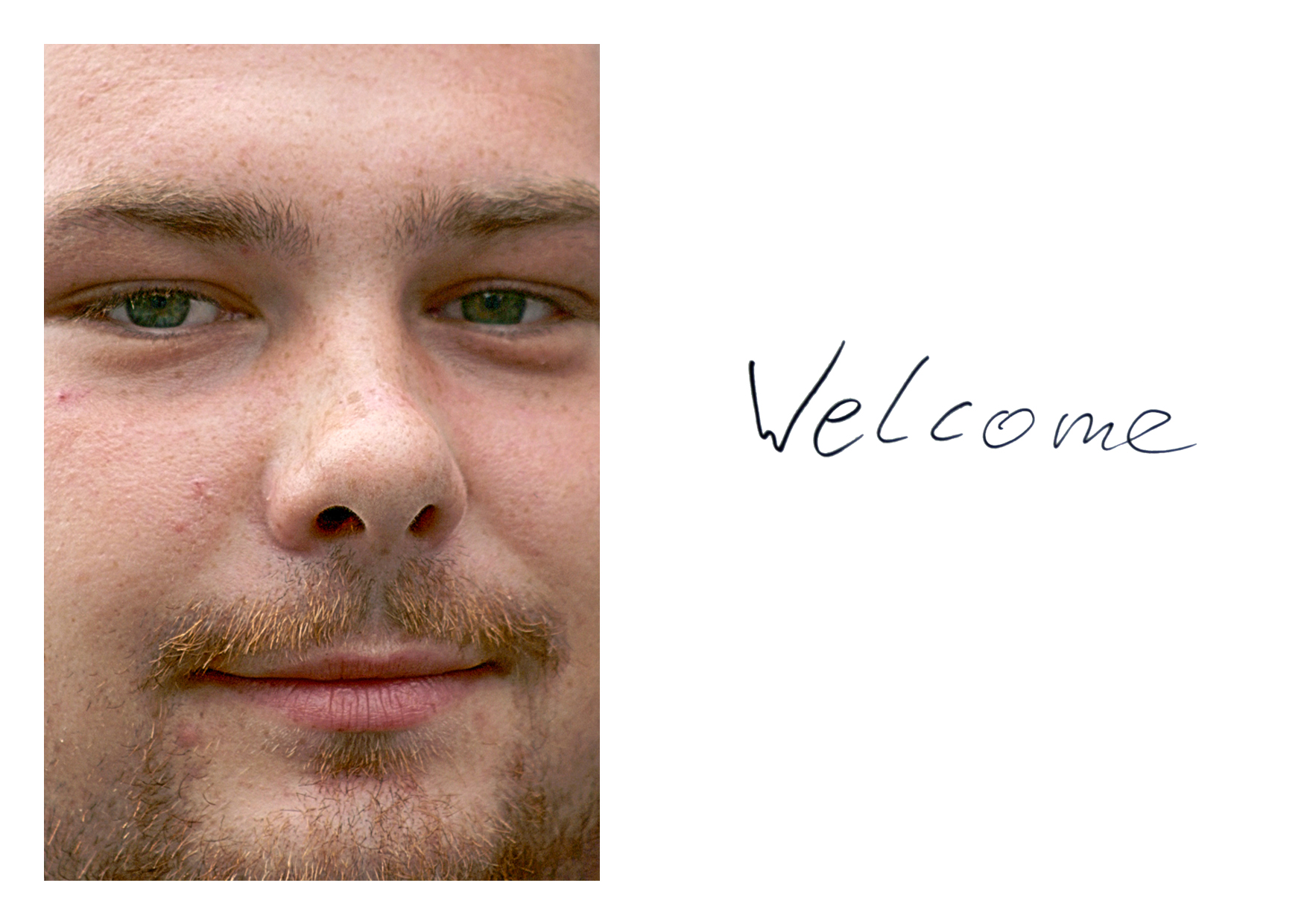
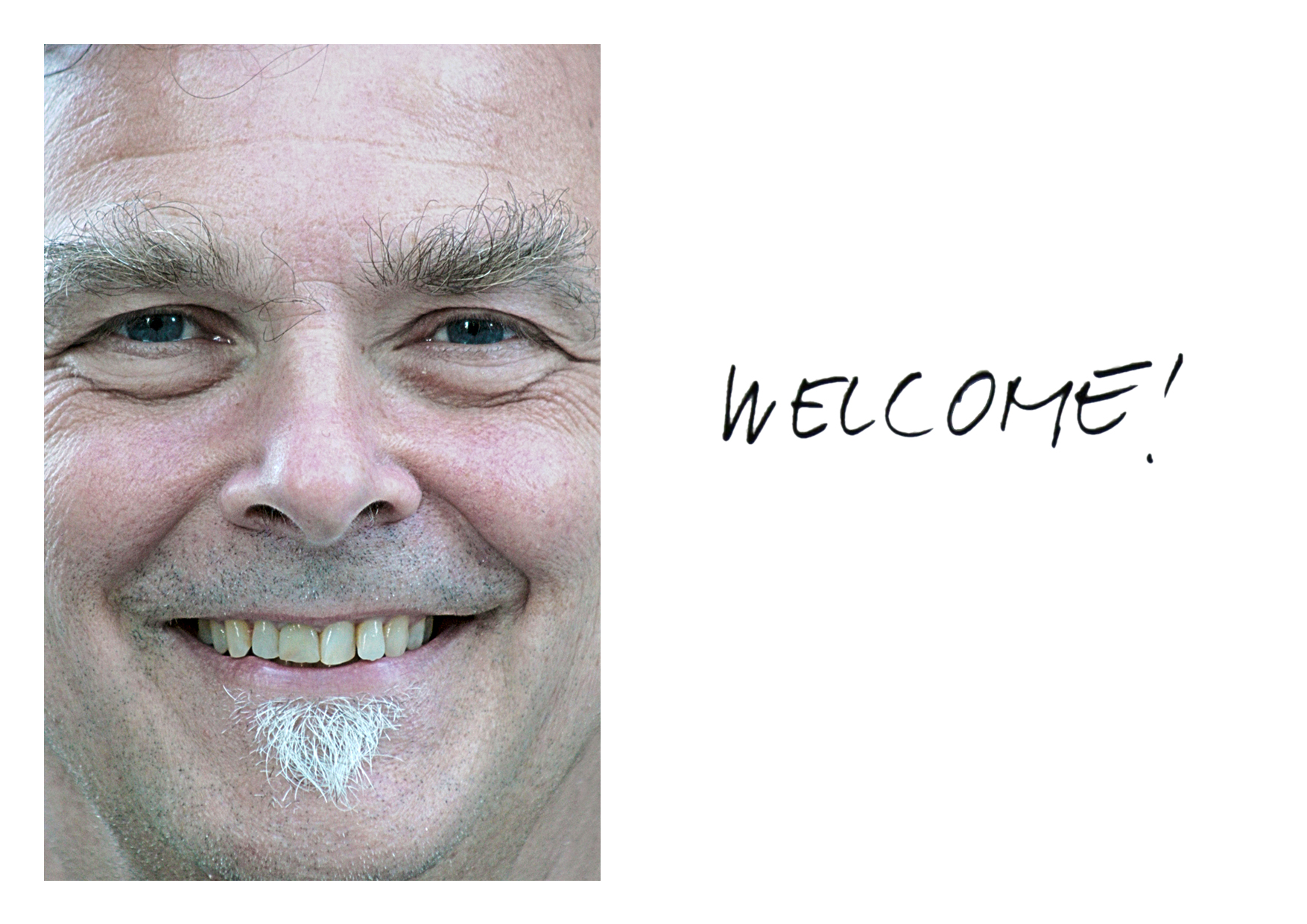
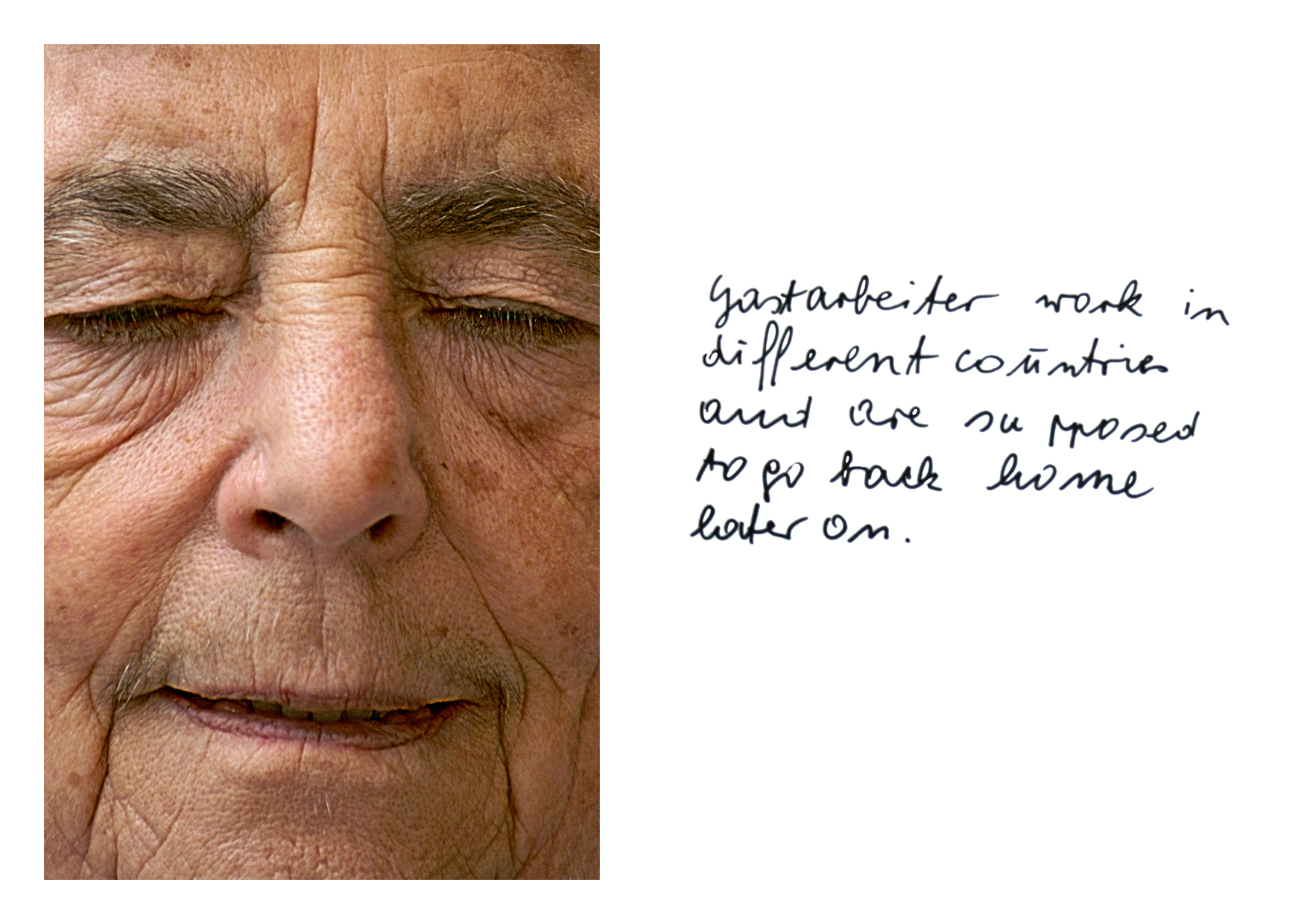
To explore this tension, I developed a methodology of performative, visually-interactive interviews.
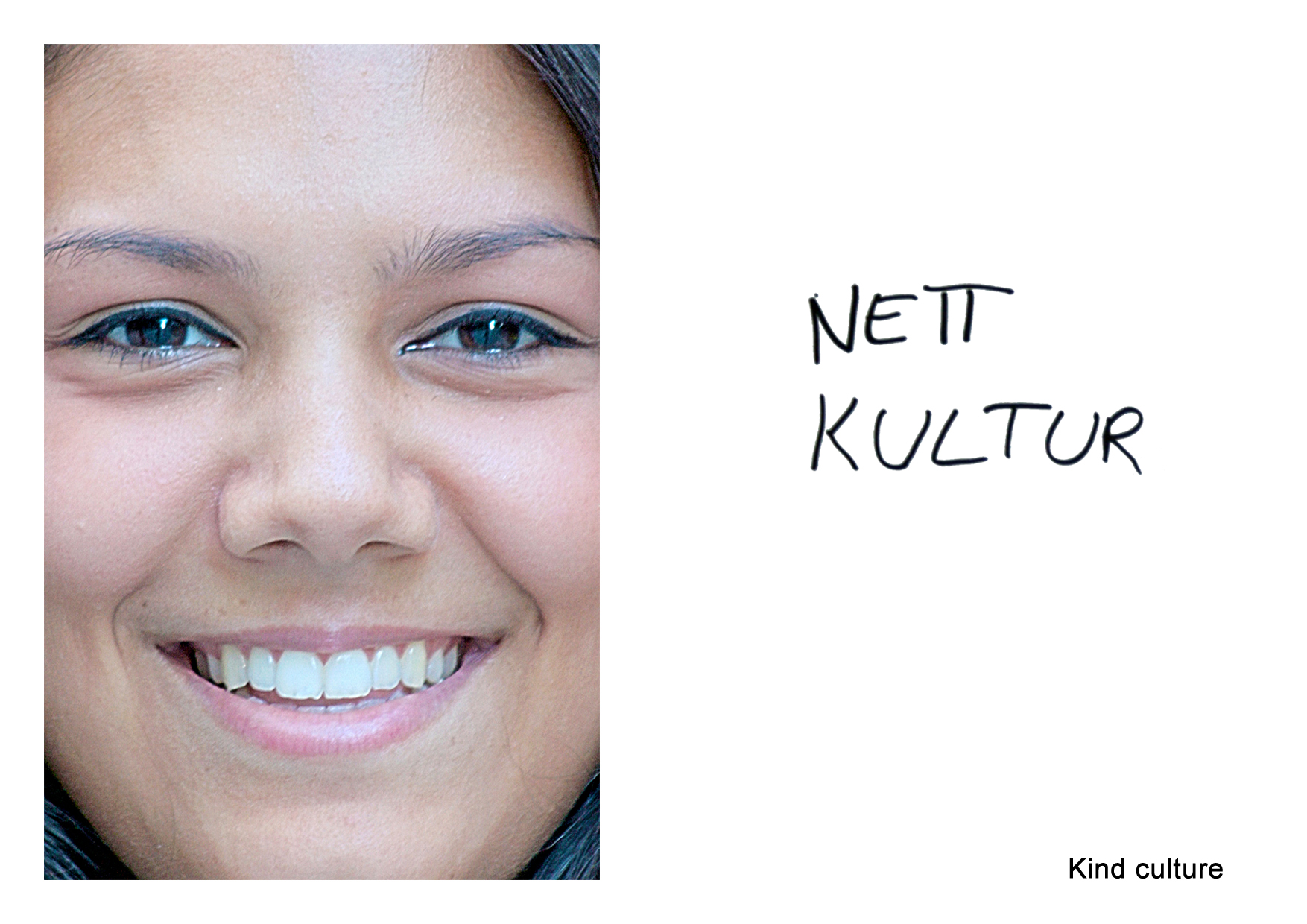
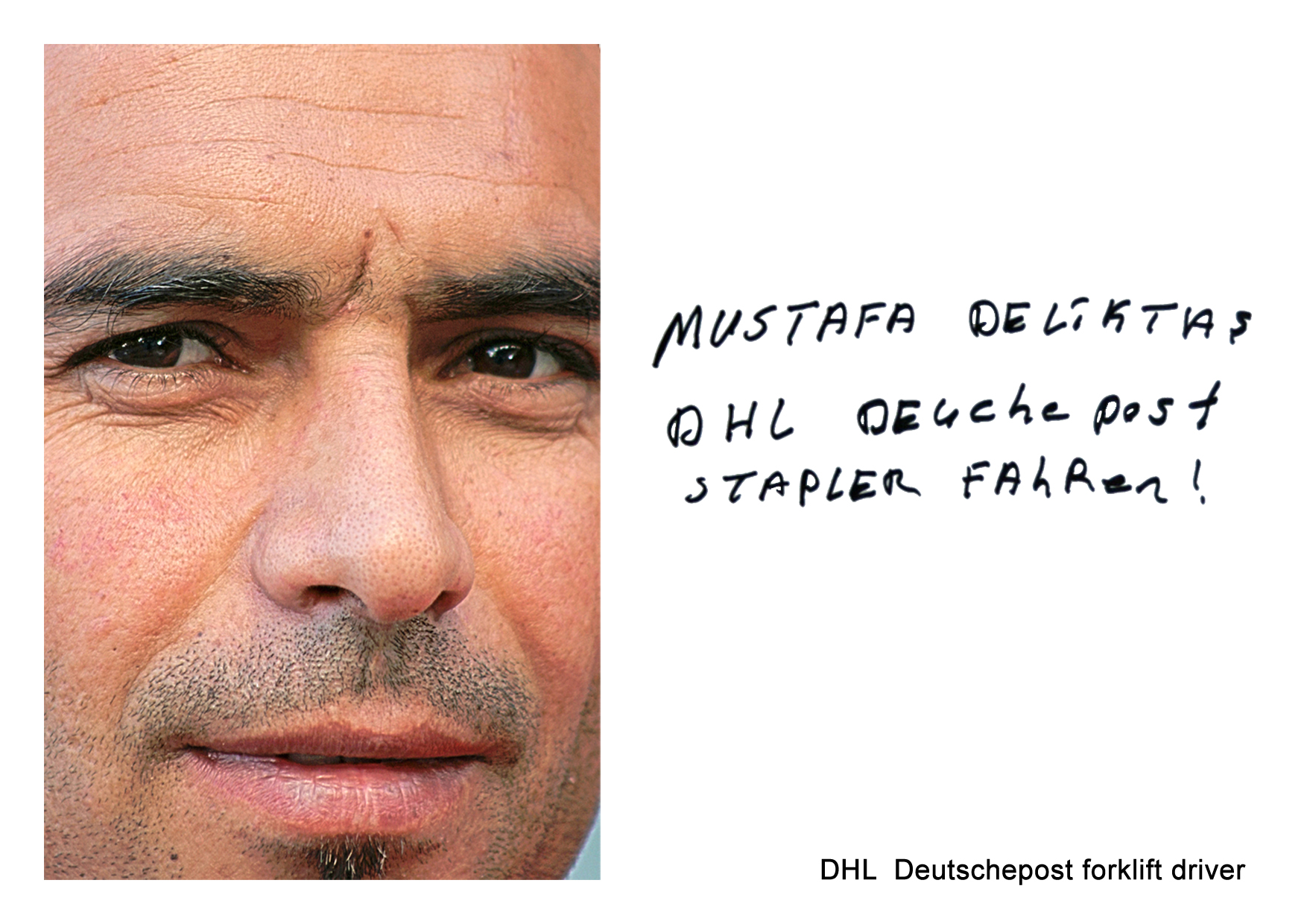
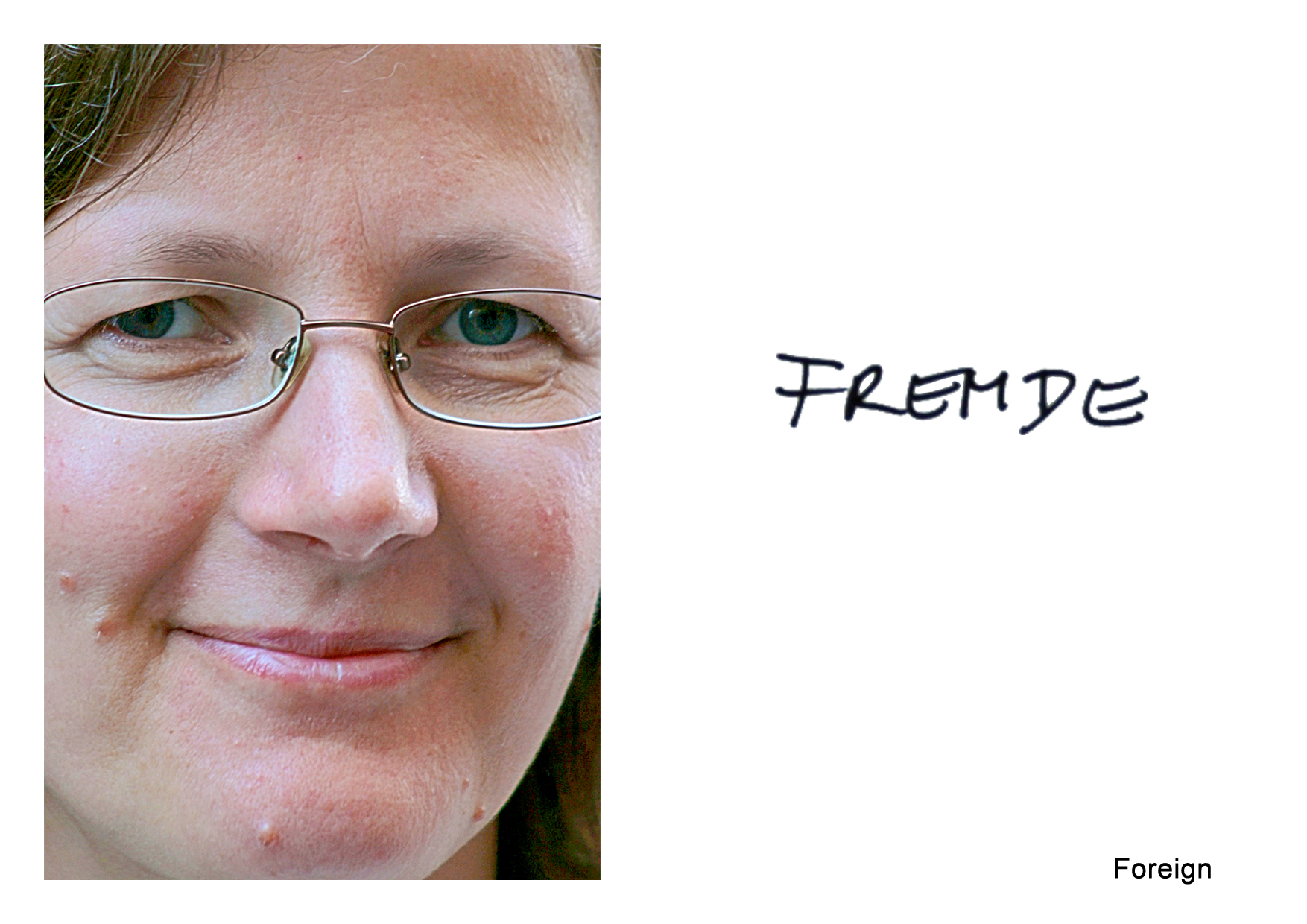
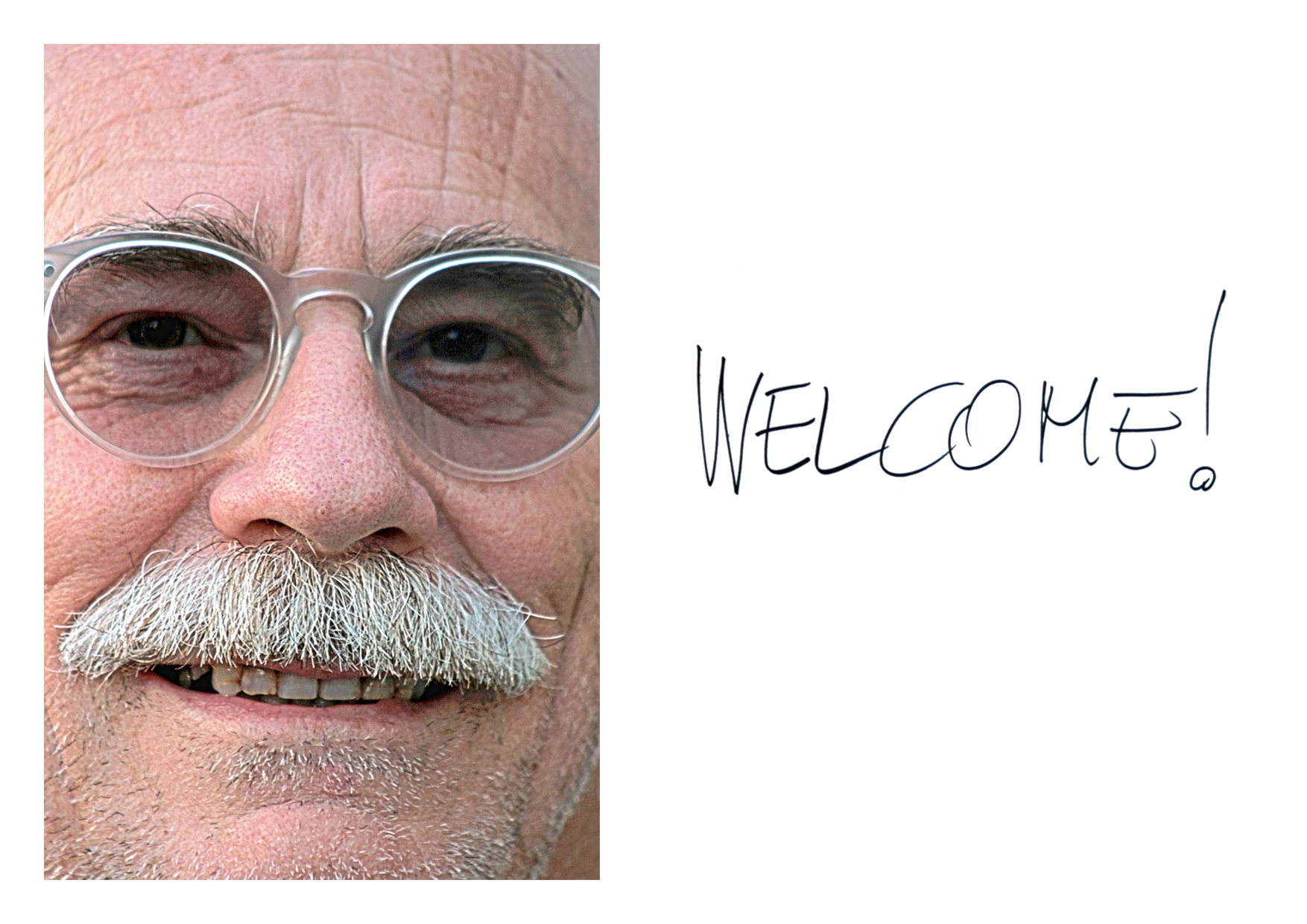
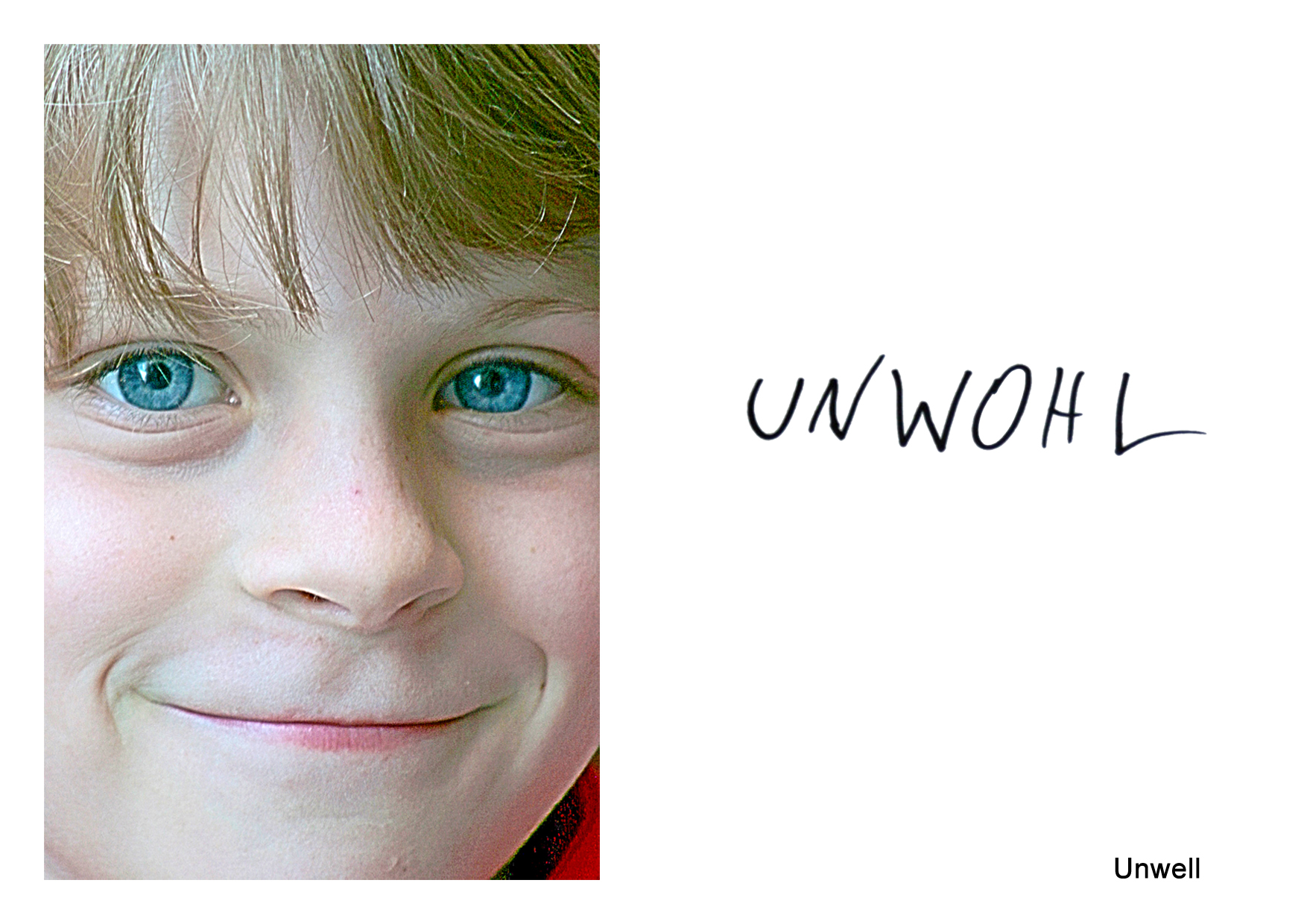
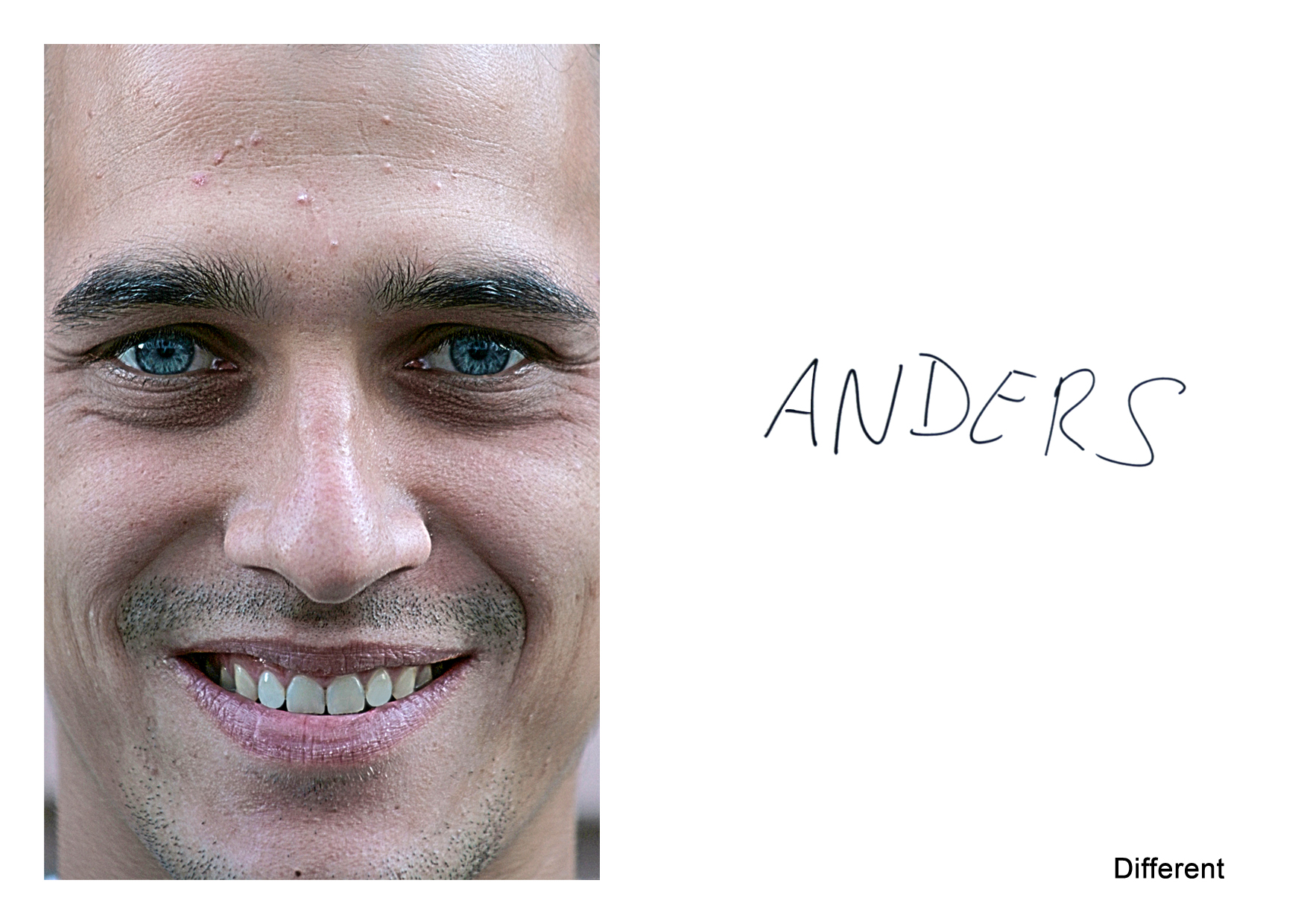
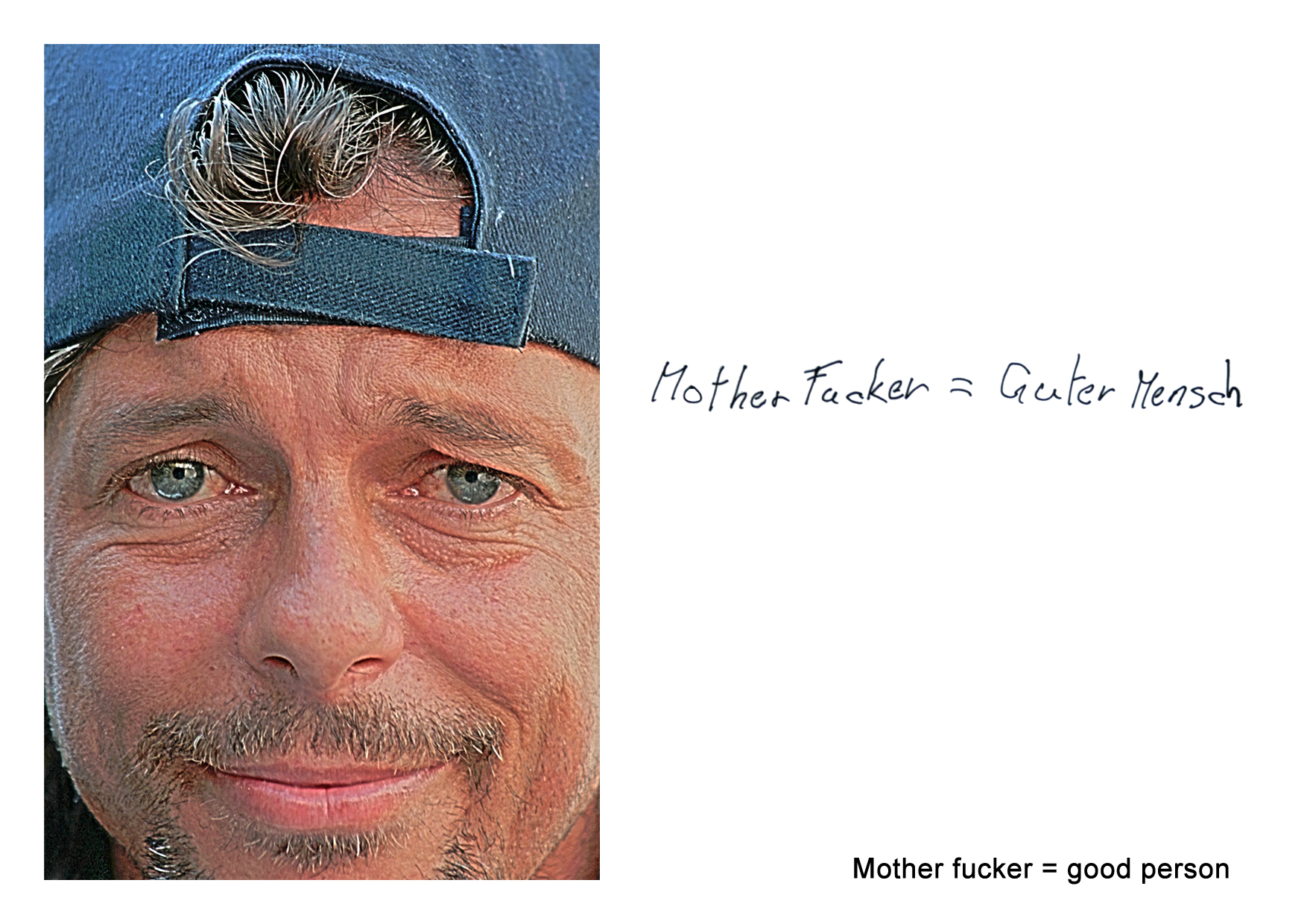
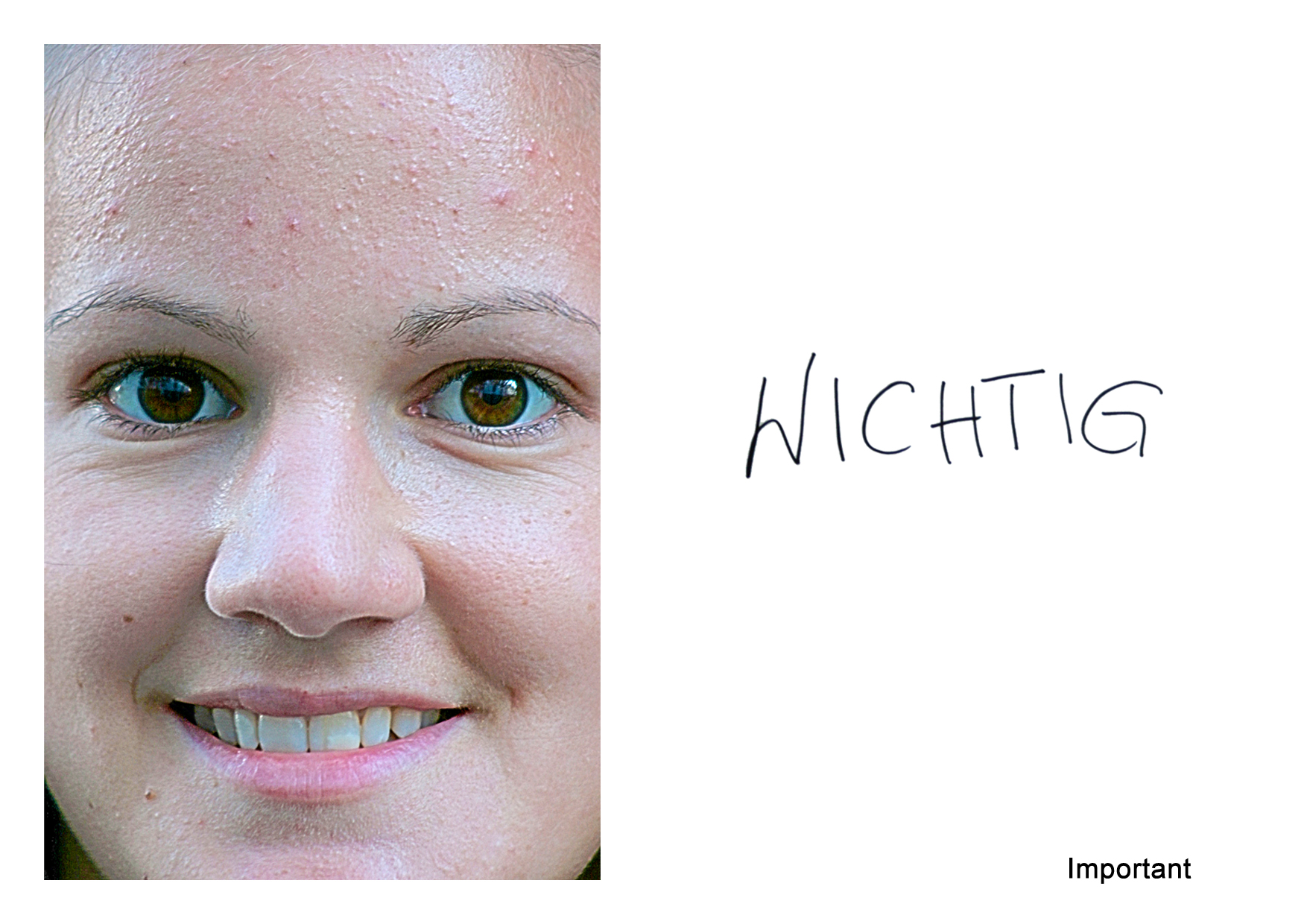
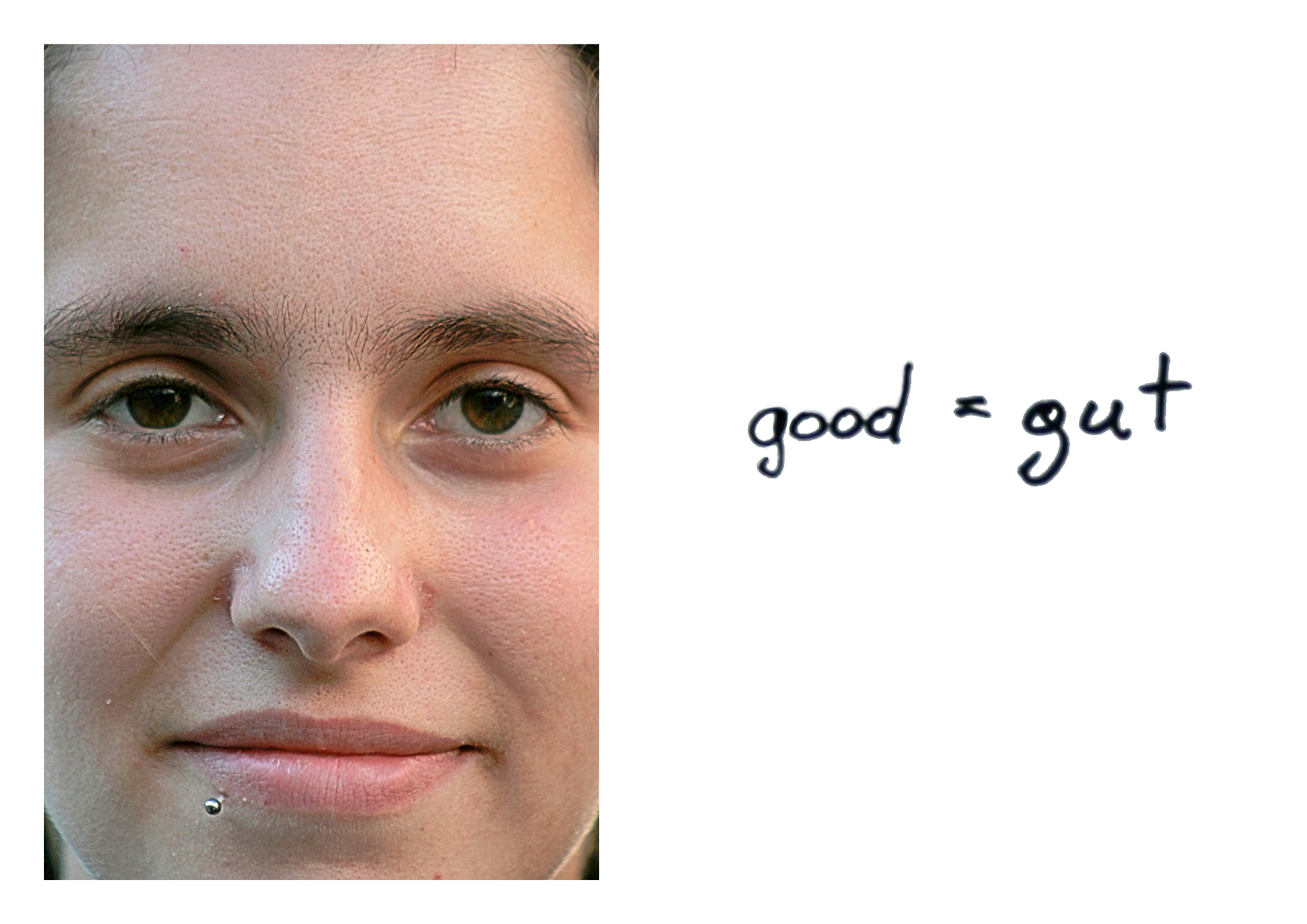
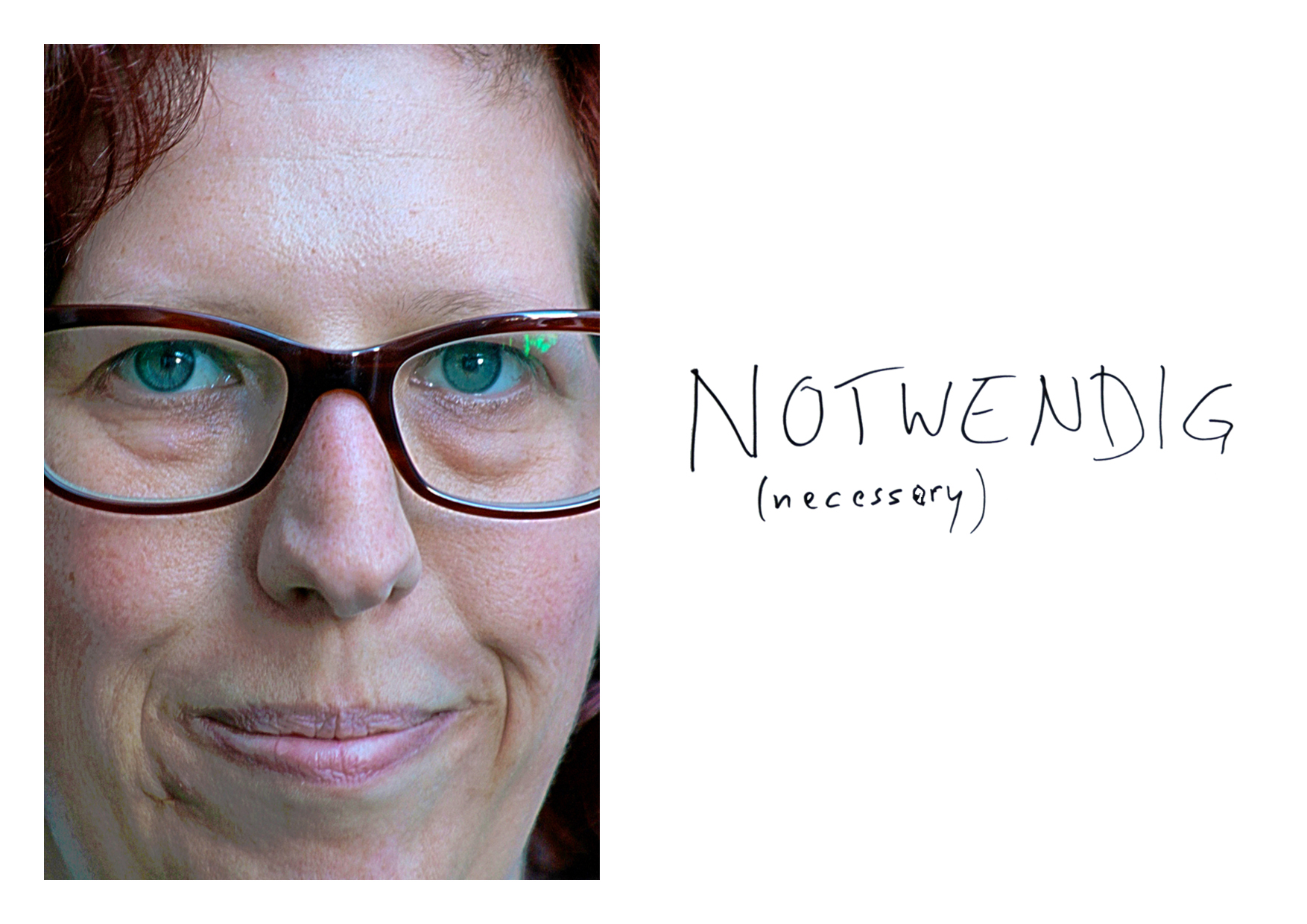
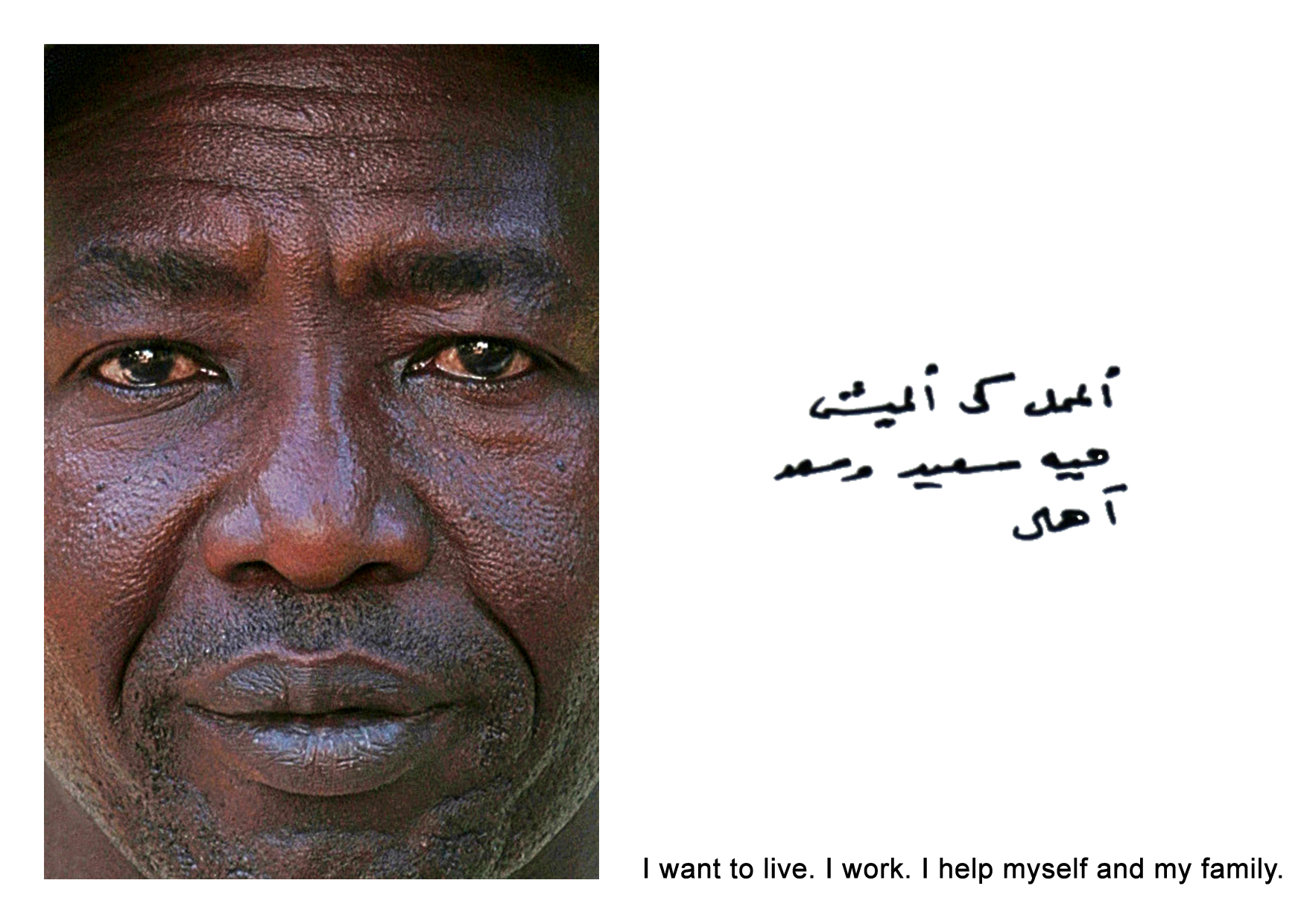
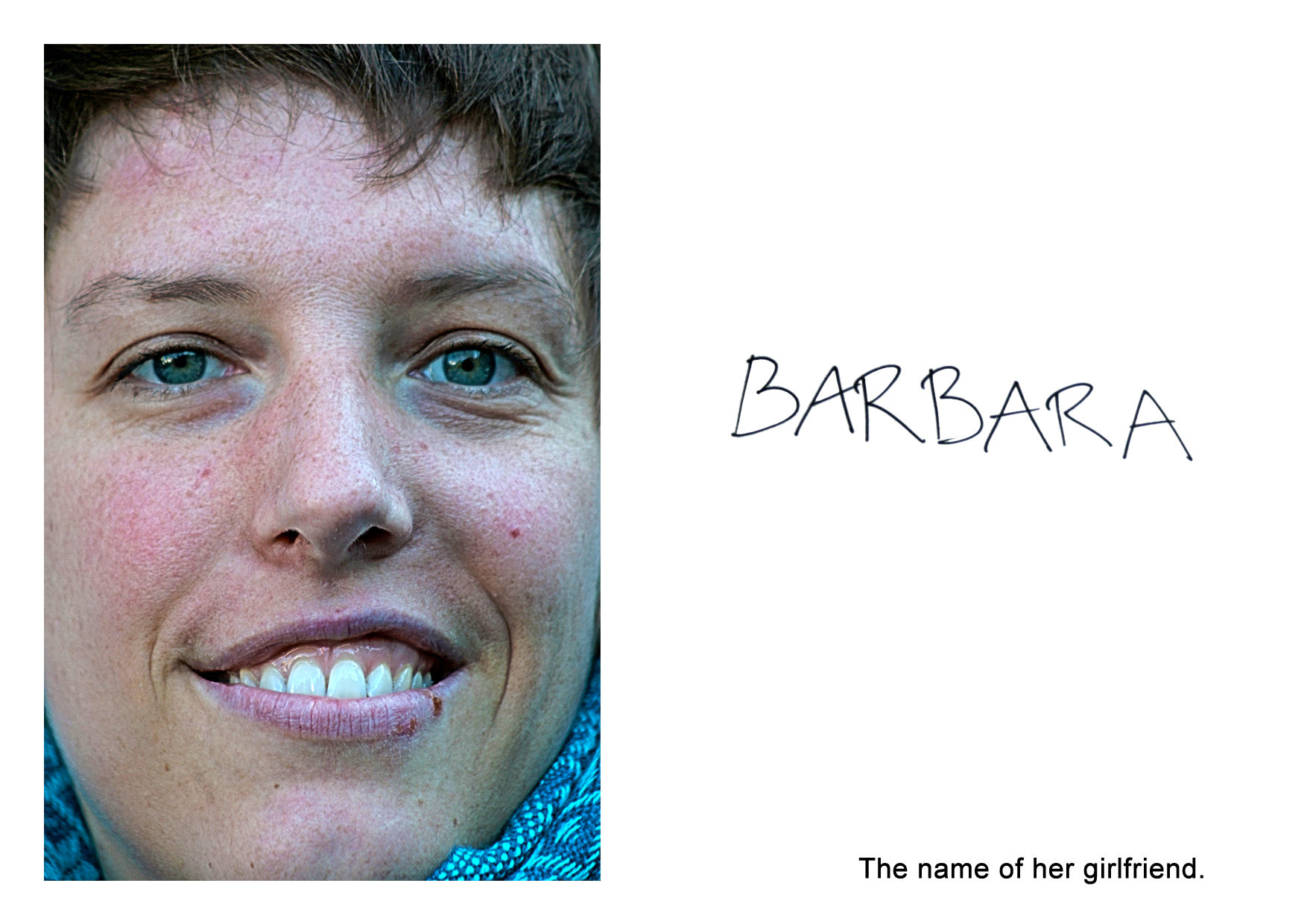
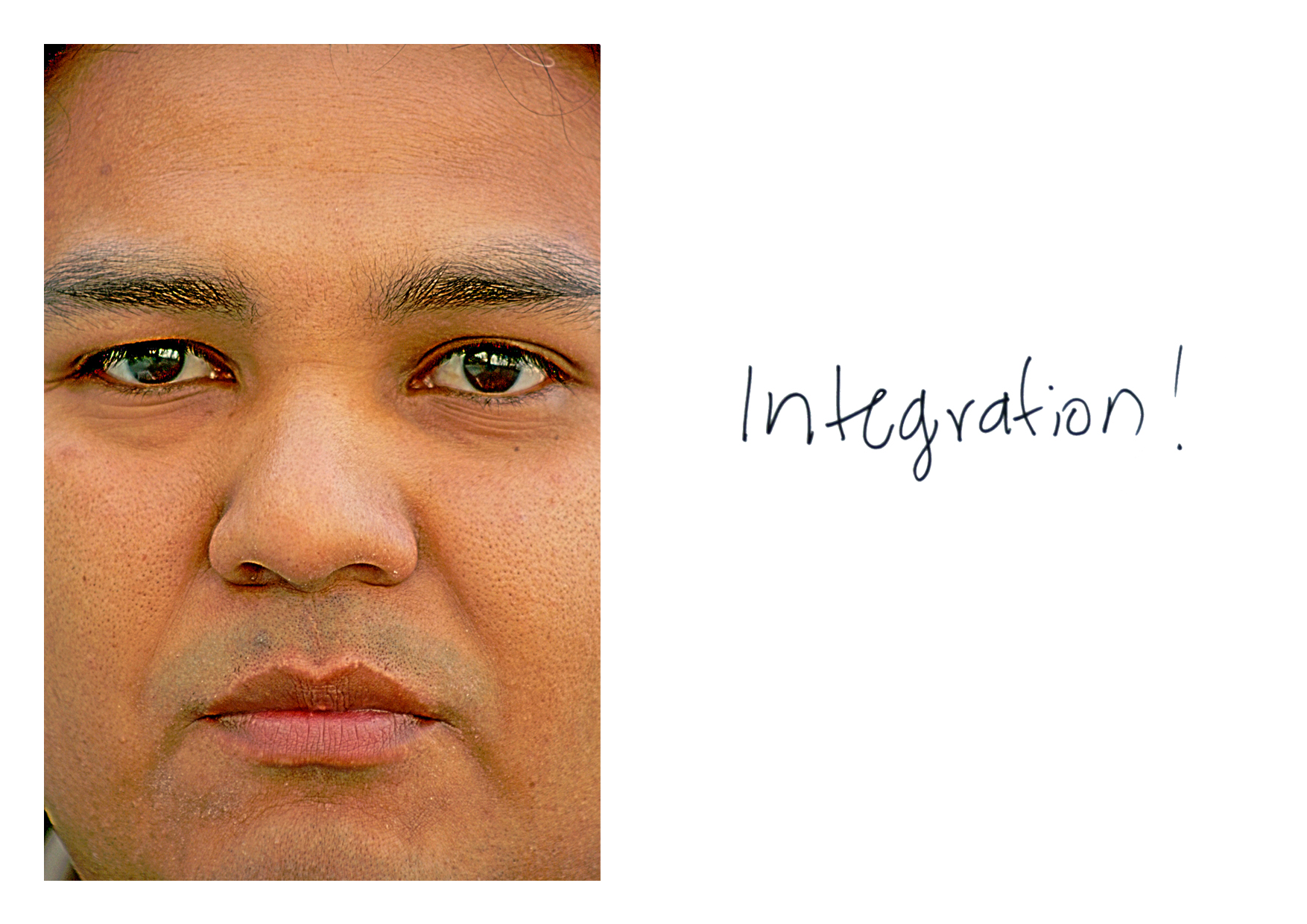
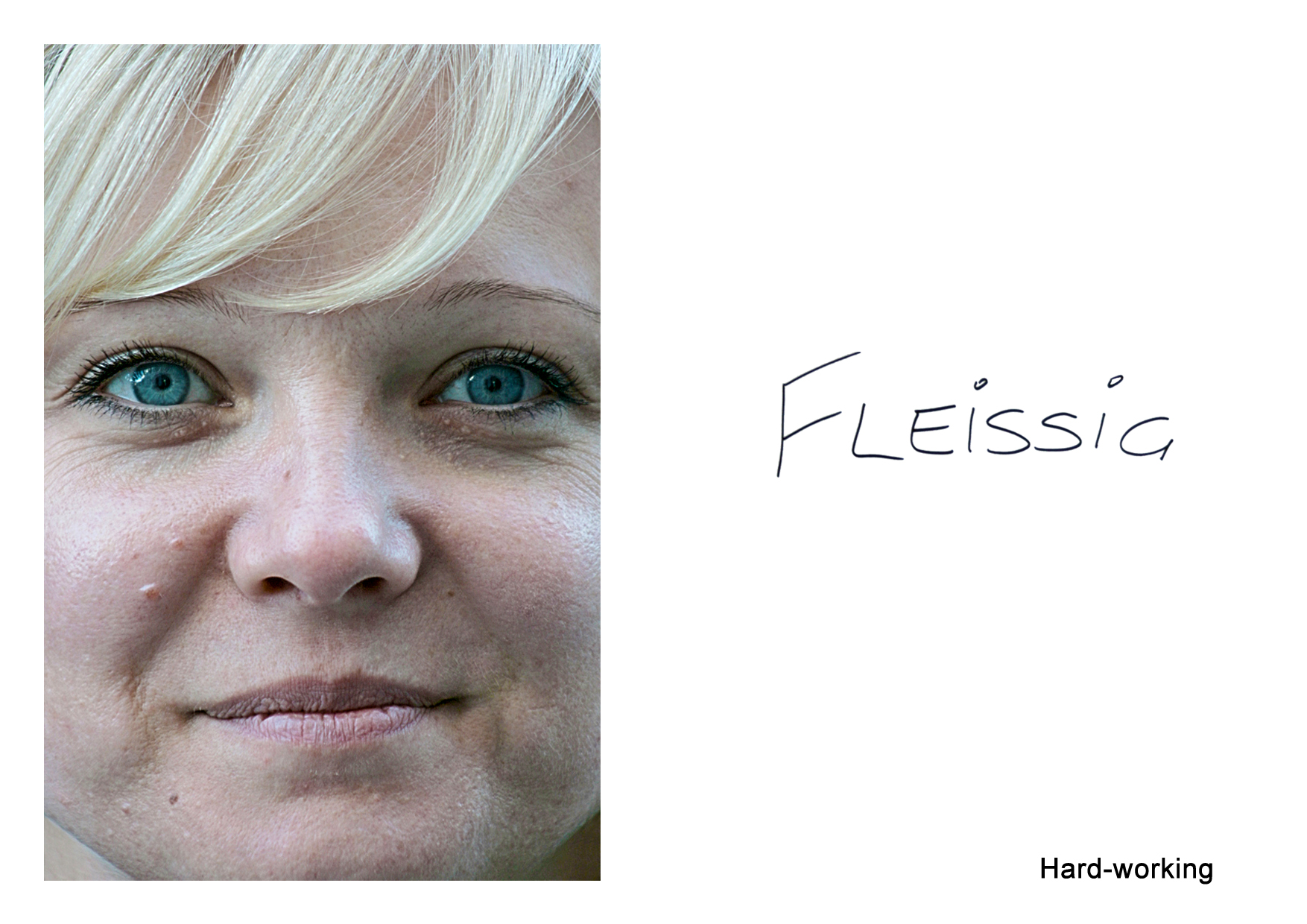
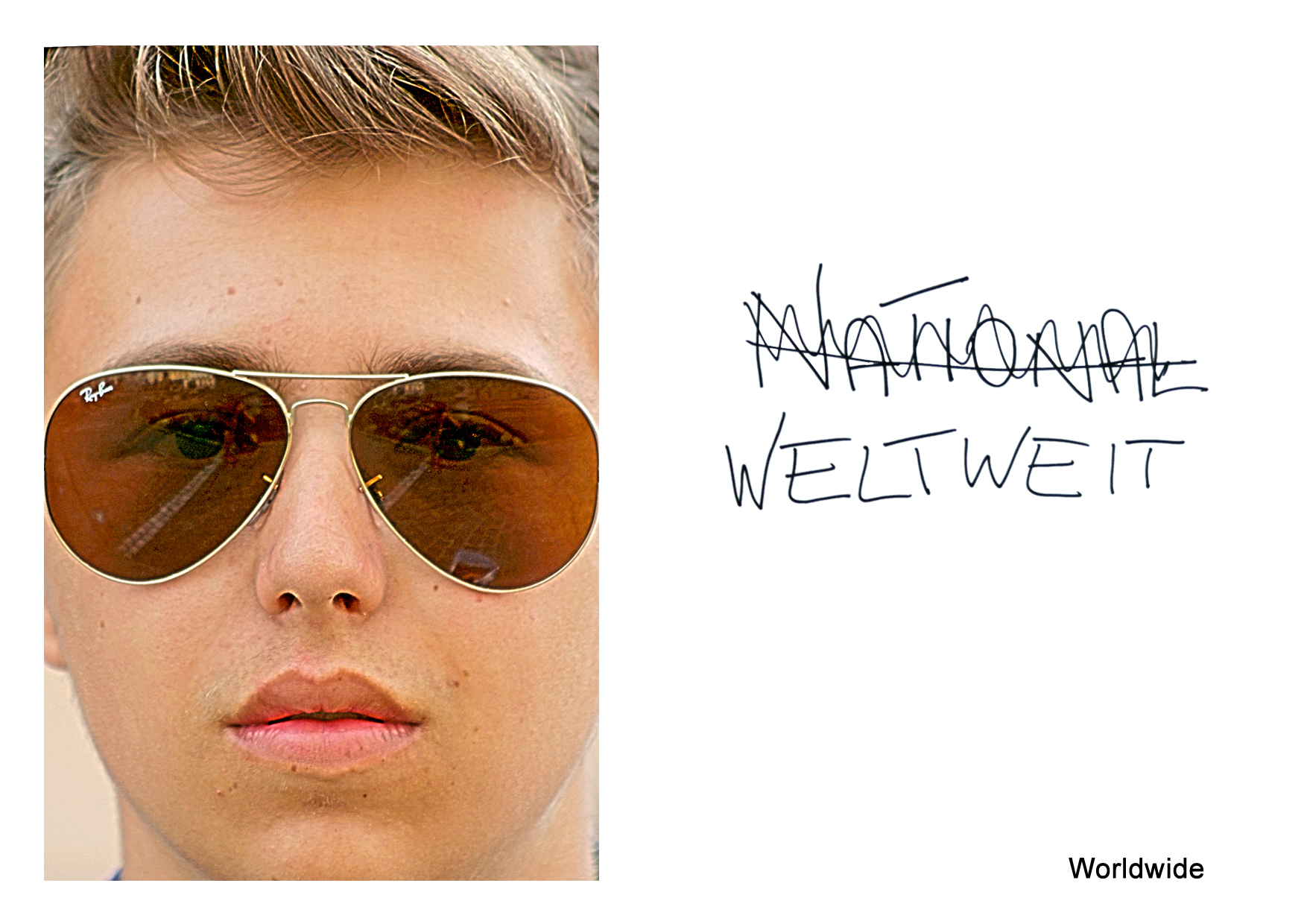
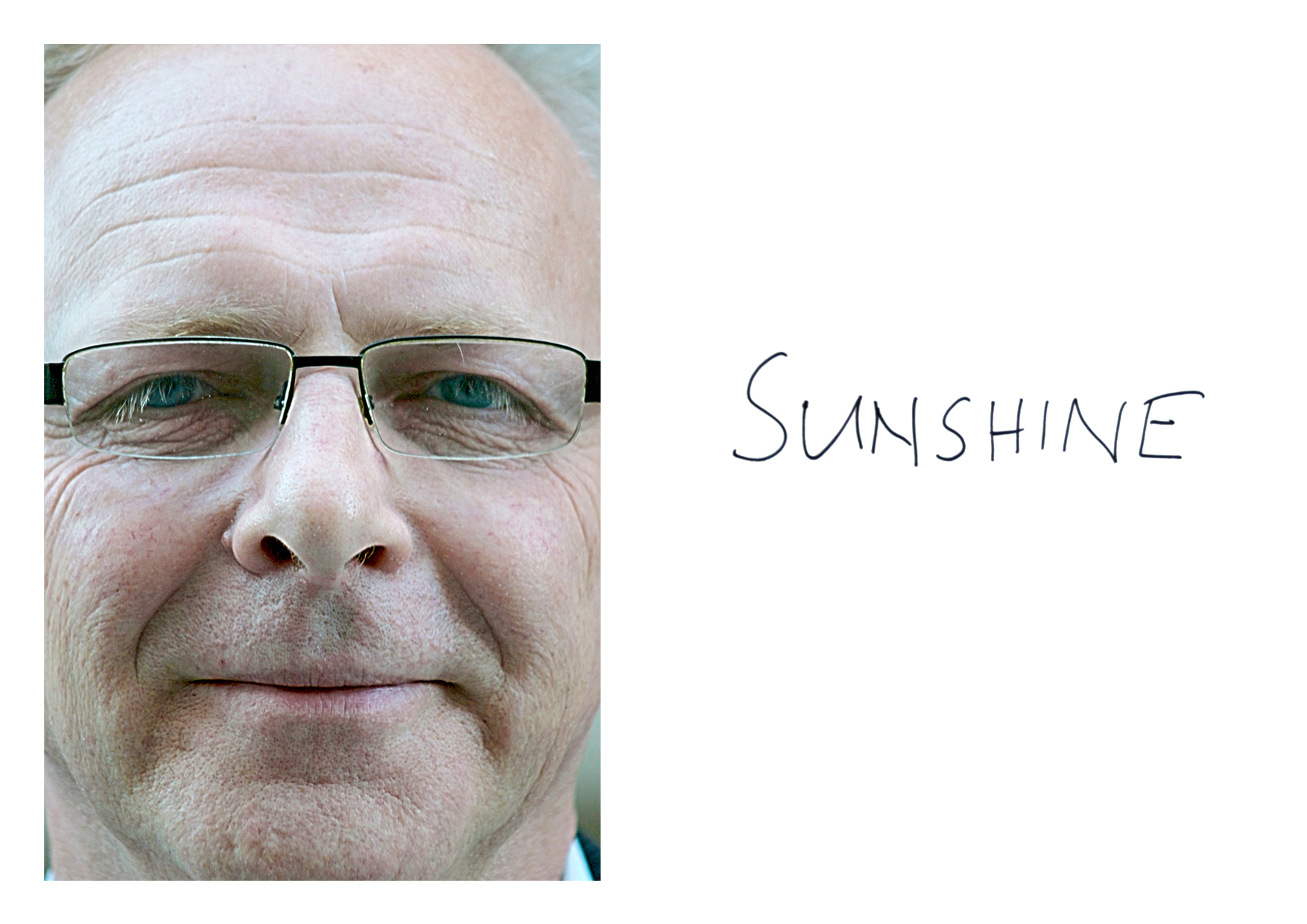
The process involved capturing formal portraits of residents, followed by an invitation to condense their perspectives on “migrant labor” into a single, handwritten word or succinct phrase.
By utilizing photo-collage to synthesize these inscriptions with the images of their authors, the project transcended simple documentation.
The act of writing served as a linguistic crystallization of internal bias or solidarity. This dual approach disclosed not only the overt discourse of the inhabitants but also their latent psychological dispositions toward displaced individuals people who were striving to integrate into a new reality, often driven by circumstances beyond their own volition.
The core of this project lay in the field of social communications between disparate and often segregated societal components. It sought to address two urgent inquiries:
What were the authentic, unfiltered perceptions of both the “native” population and the migrant subjects regarding this systemic friction?
How could a mechanism for social consolidation be activated without triggering the “irritant indicators” of public resentment?
By executing this intervention, I aimed to bring to the surface those subjects who, while physically present within the social field, remained politically and phenomenologically invisible.
My ultimate objective was a radical aesthetic act to make the invisible visible!!!
Over a period of nearly a month, I conducted visually interactive interviews with more than 70 individuals.
A significant aspect of this process was the encountered resistance: some “participants” categorically declined to commit any text to paper or articulate a definitive stance on the subject.
However, they consented to the act of being photographed.
I think it is strange and at the same time more than contradictory, but this selective visibility, an agreement to be seen but a refusal to be heard underscores the profound tension and the latent complexity of the discourse surrounding migration within the urban space.
The project was implemented in the form of an interactive, social – photo project in the public space of the city of Linz (Austria).
2017
“The Unredeemed Promise of Art”, art space “Fluc”, within Vienna Art Week, Vienna (AT)
2012
“Black Sea Calling”, Atelierhaus Salzamt Linz (AT)
Alexandru Raevschi