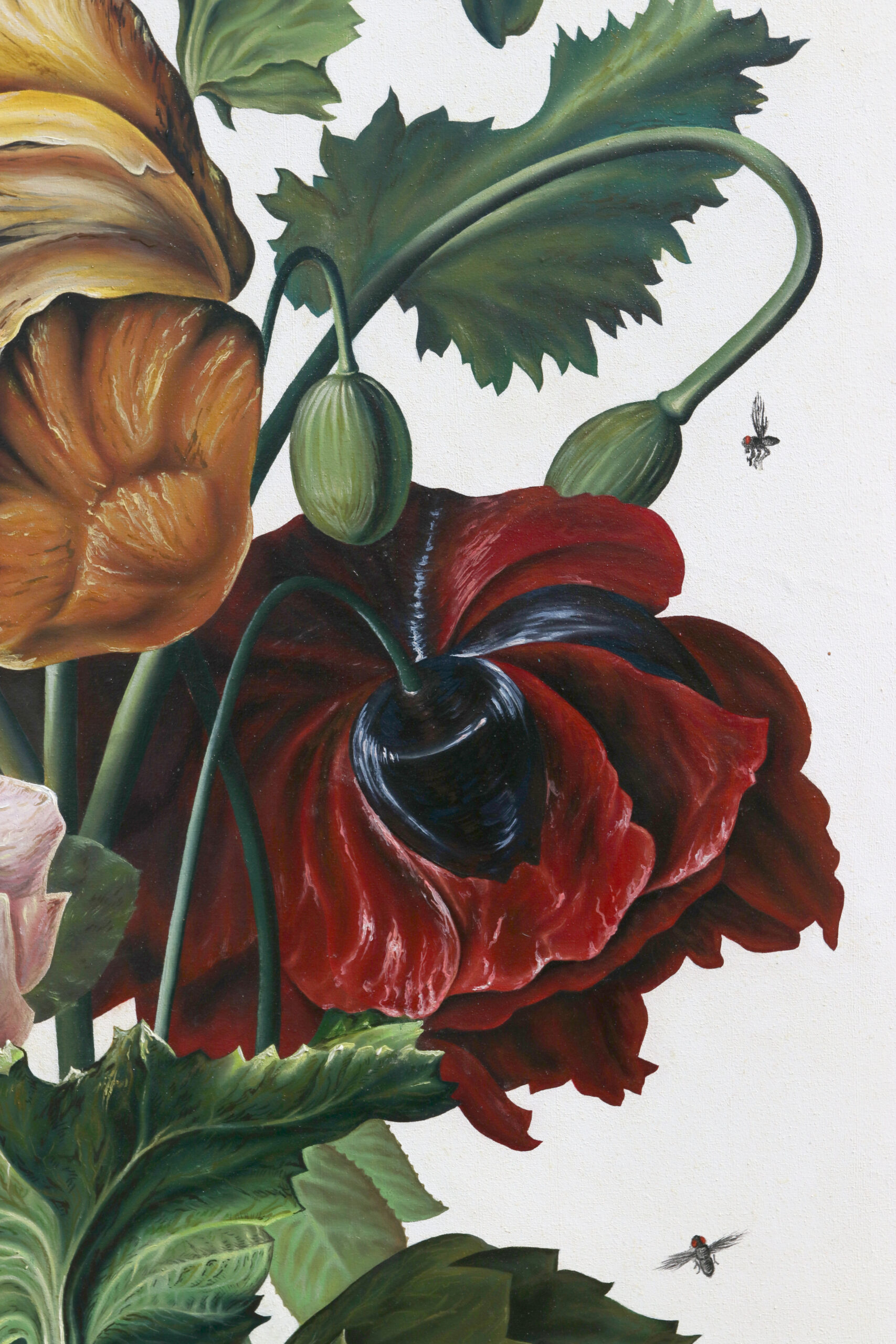
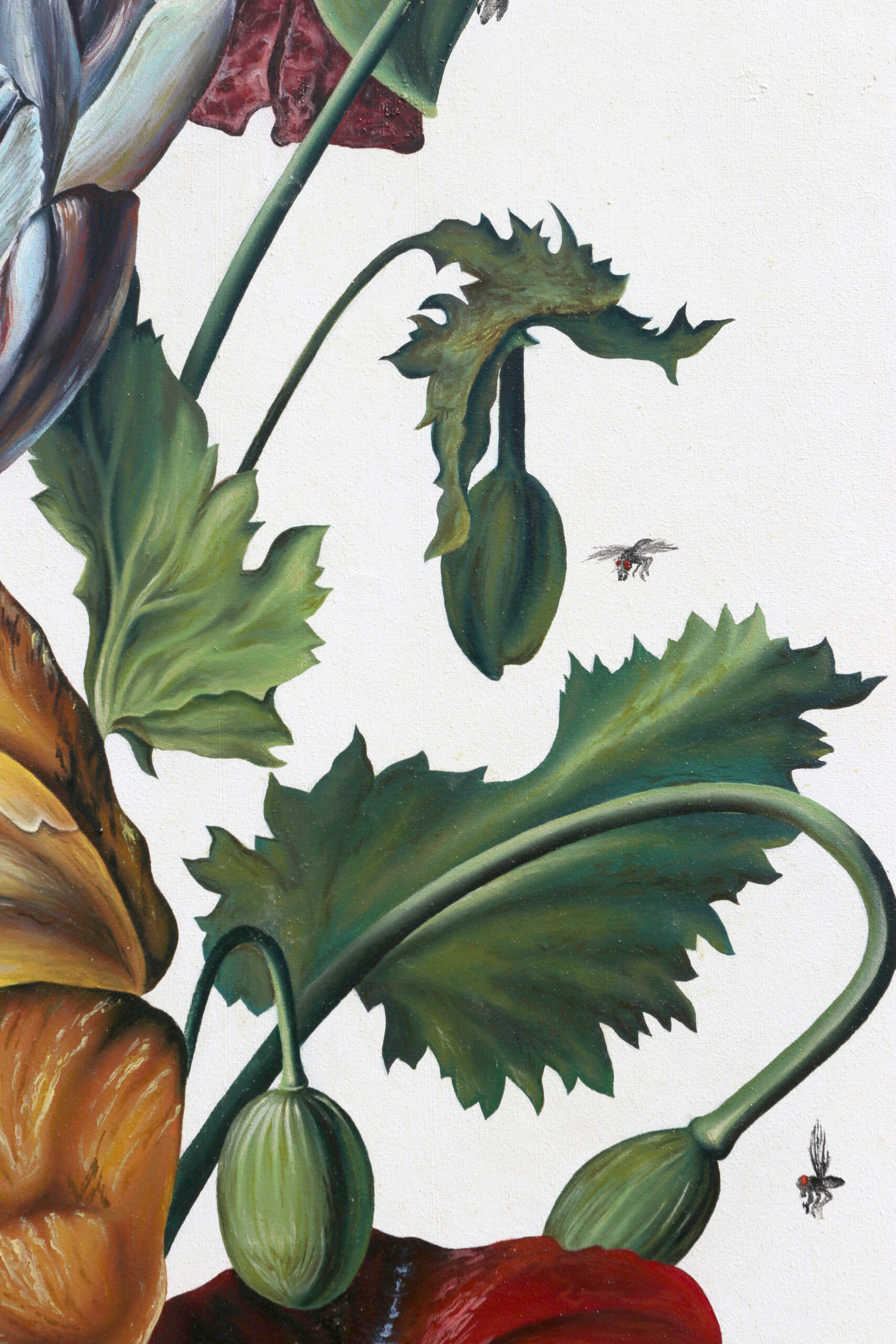
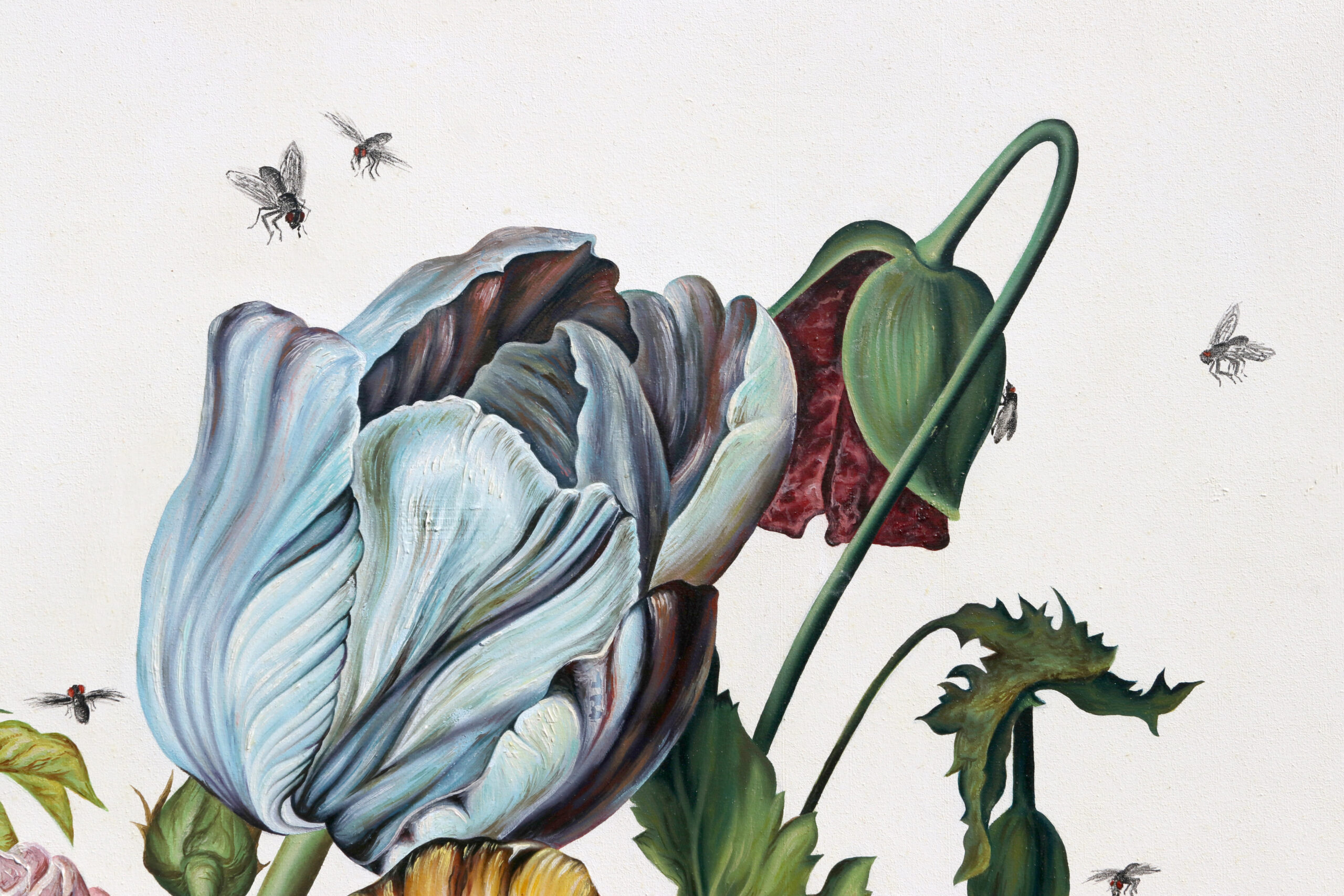
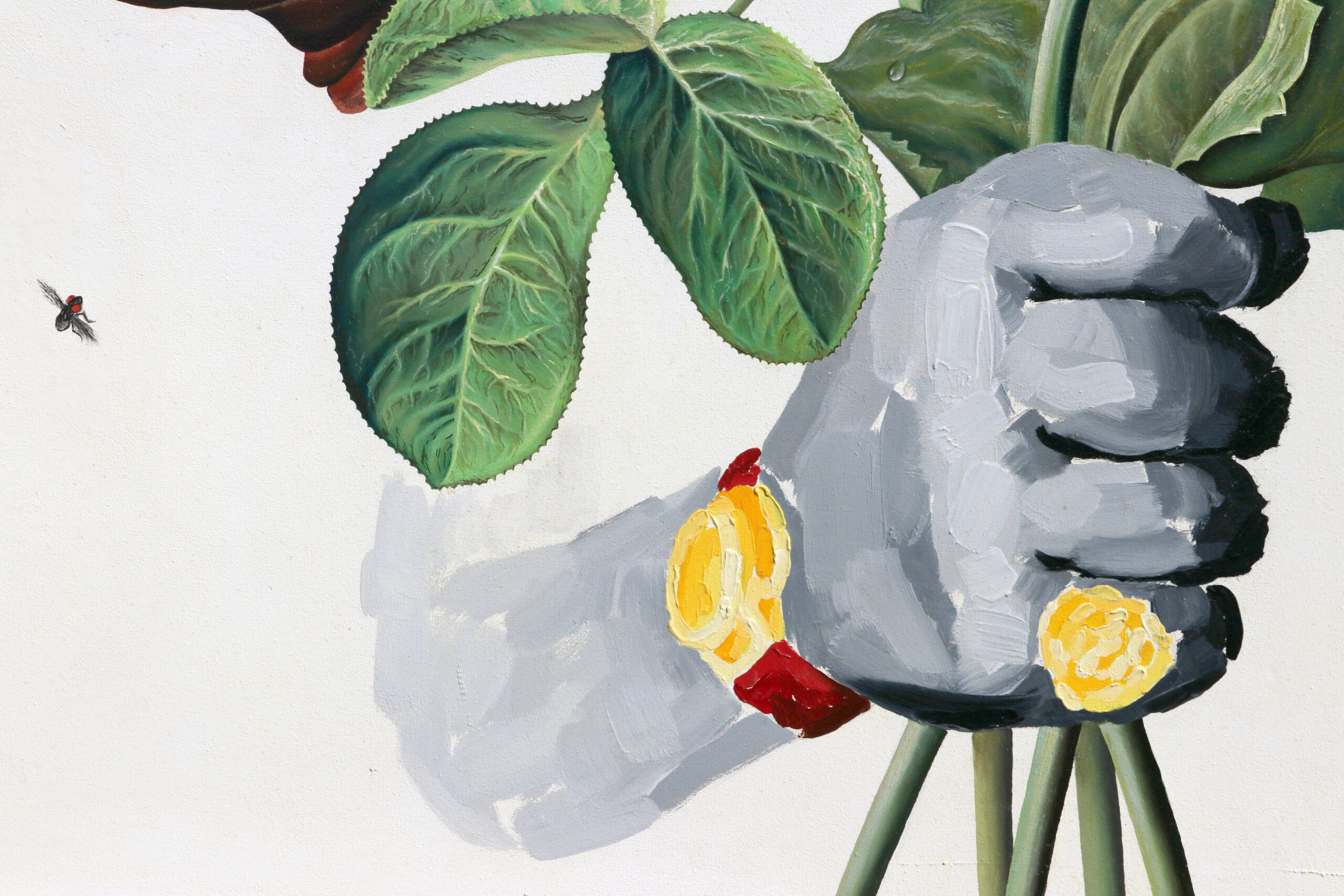
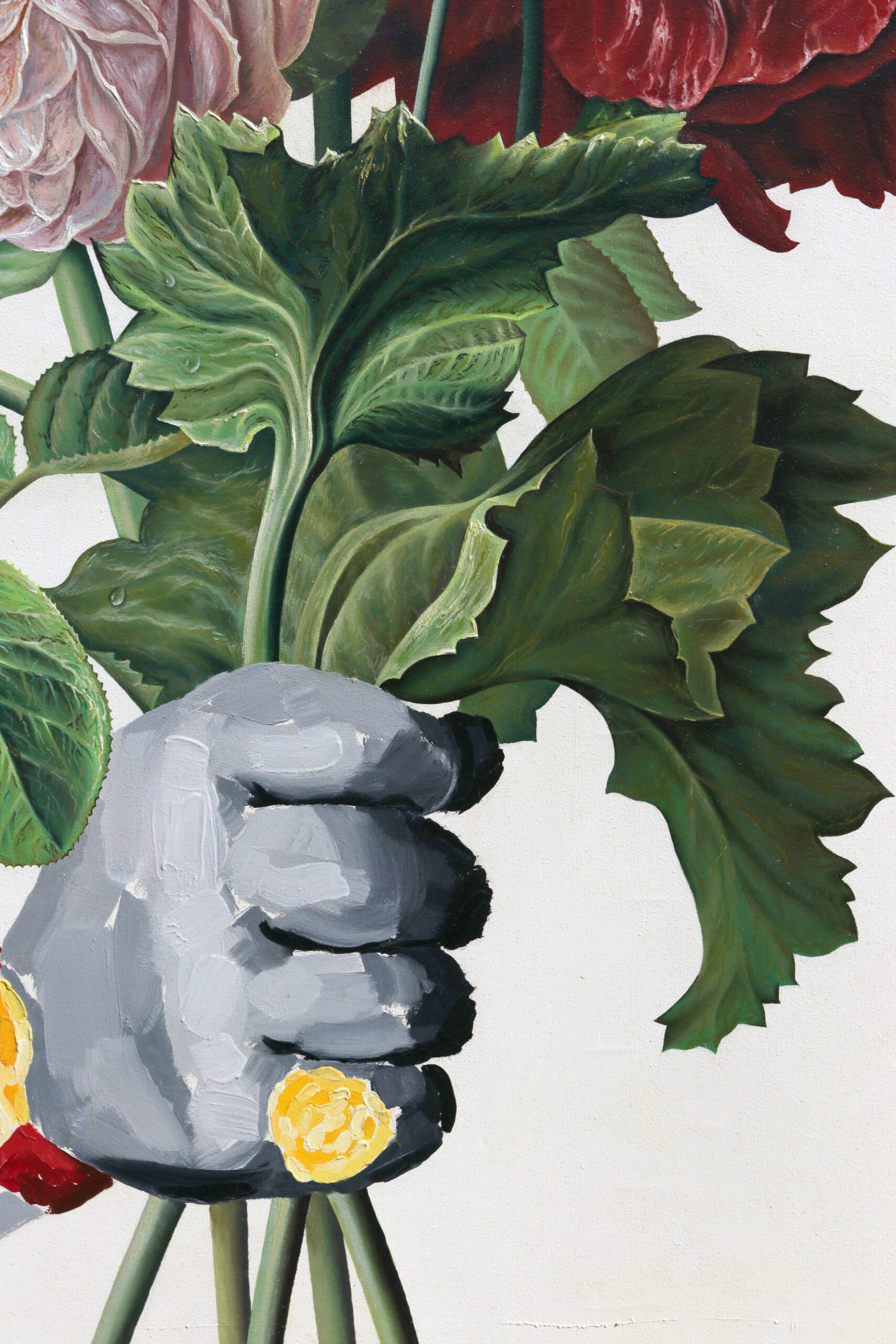
Russian Palm

This work was conceived and implemented following these events: Russia annexed the Ukrainian Autonomous Republic of Crimea and the city of Sevastopol in February–March 2014, a move that was not recognized by the majority of the international community. New constituent entities of the Russian Federation—the Republic of Crimea and the federal city of Sevastopol—were created in the annexed territories of these two Ukrainian regions.


On November 21, 2013, Ukrainian President Viktor Yanukovych’s decision to reject the EU rapprochement agreement and reorient Ukraine toward closer ties with Russia sparked street protests. The decision to disperse the protests by force and the adoption of “dictatorial laws” intensified the unrest, with protesters’ demands expanding to include Yanukovych’s ouster. Bloody clashes between protesters and police in late February 2014 led to a split among Yanukovych’s supporters. Following an agreement between the opposition and Yanukovych, brokered by EU and Russian diplomats, Yanukovych fled the country. Ukrainian society was left in a state of shock, and many state institutions remained non-functional for several days.


The escalation of civil unrest in Ukraine also impacted events in Crimea. Russia seized the Crimean peninsula by force, taking advantage of an opportune moment: the weakness of the new government. In Crimea, Yanukovych’s ouster was widely perceived as a coup d’état, and a series of actions by the new government and its supporters led to the activation of Russian public organizations and the mobilization of a significant portion of ethnic Russian Crimeans against the new Ukrainian leadership.


This mobilization was fueled by the actions of Russian intelligence services, information pressure and manipulation of public opinion by Russian media, and the baseless radical statements of several politicians. The Mejlis of the Crimean Tatar People, which acts as the representative body of the Crimean Tatars, took a special position. From February 21 to 23, it organized mass protests in support of the new Ukrainian government, and later, after the Crimean referendum was scheduled, it refused to recognize its legitimacy.


Ukraine refused to recognize the loss of territory, viewing it in its legislation as a temporarily occupied part of the country, and Russia’s actions as violations of various previously concluded treaties, including the Budapest Memorandum and the Treaty on Friendship, Cooperation, and Partnership between the Russian Federation and Ukraine. The territory of Crimea annexed by Russia is also described as occupied in UN documents.


Following the annexation of Crimea, Western countries expelled Russia from the G8 and began imposing sanctions.

By seizing Crimea, Russia launched an undeclared war against Ukraine. Since 2014, Ukraine has waged a diplomatic struggle to reclaim the peninsula. In March 2022, recognition of annexed Crimea as part of Russia was one of the fundamental conditions put forward by Russian authorities to end the invasion of Ukraine during Russian-Ukrainian negotiations.

In November 2022, Ukrainian President Volodymyr Zelenskyy stated that Ukraine’s goal in the war with Russia is to regain control over all of the country’s internationally recognized territory, including Crimea.


Western and Russian media have repeatedly compared the annexation of Crimea to the actions of Nazi Germany in 1938: the Anschluss of Austria and the annexation of the Sudetenland.
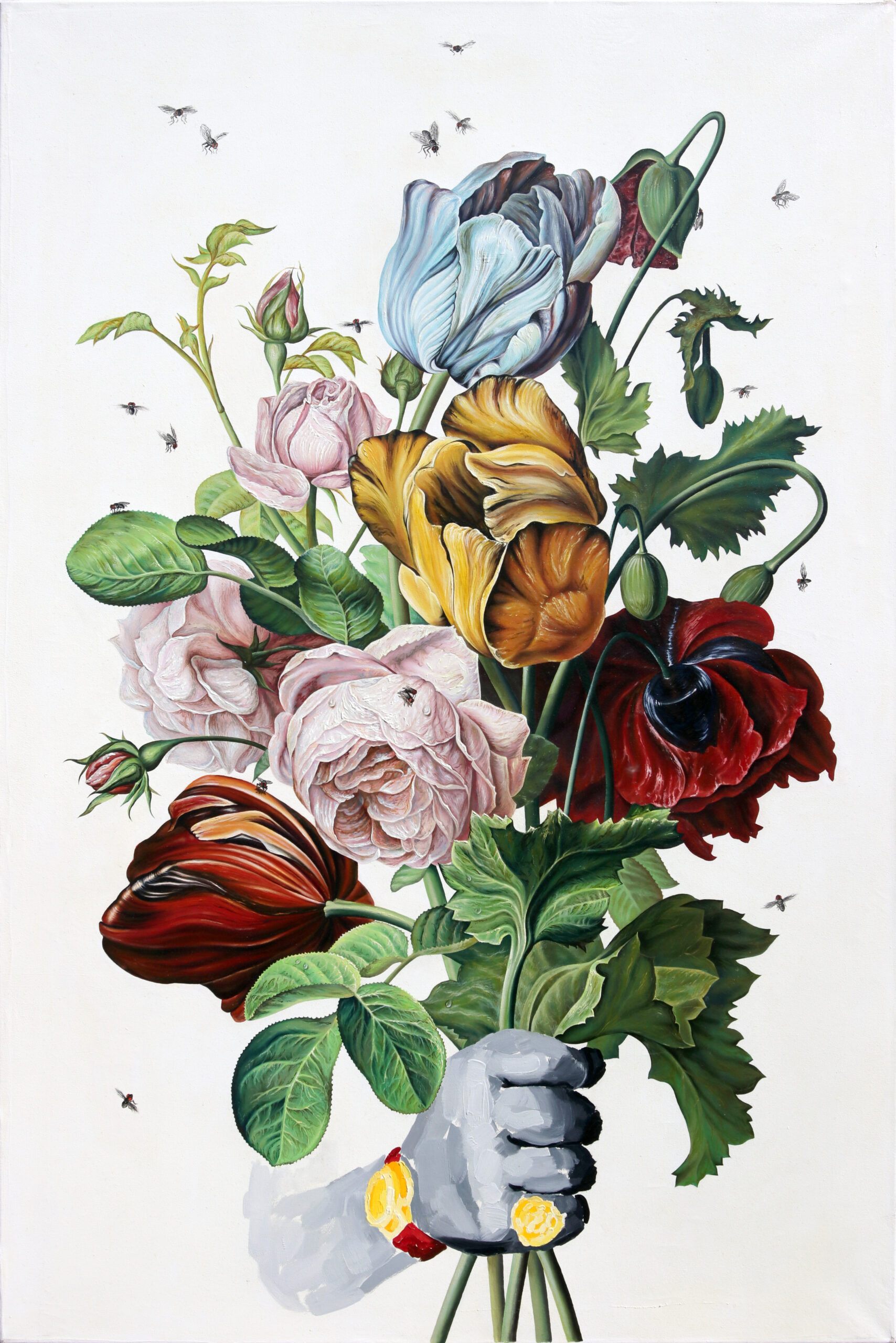



2014

Oil, canvas
1m by 1.5m


error: Content is protected !!