54 Museums of Memory
On 21 November 2013 the roof of a Maxima shopping centre in the Zolitūde neighbourhood of Riga, Latvia, collapsed at 17:44 local time, resulting in the deaths of 54 people, including three rescue workers, and injuries to another 41 people.
The events that unfolded in Riga on November 21, 2013, affected me profoundly, placing me at the very epicenter of the tragedy.
On the day of my arrival, the bus from the airport passed slowly by the site of the disaster a moment of forced observation that marked the beginning of my immersion into this space of mourning.
As an artist, I felt an ethical necessity to articulate my deepest condolences to Latvian society and to every family devastated by this catastrophe.
My project became an attempt to reflexively process the internal pain and shock I experienced through this direct encounter with a collective trauma.
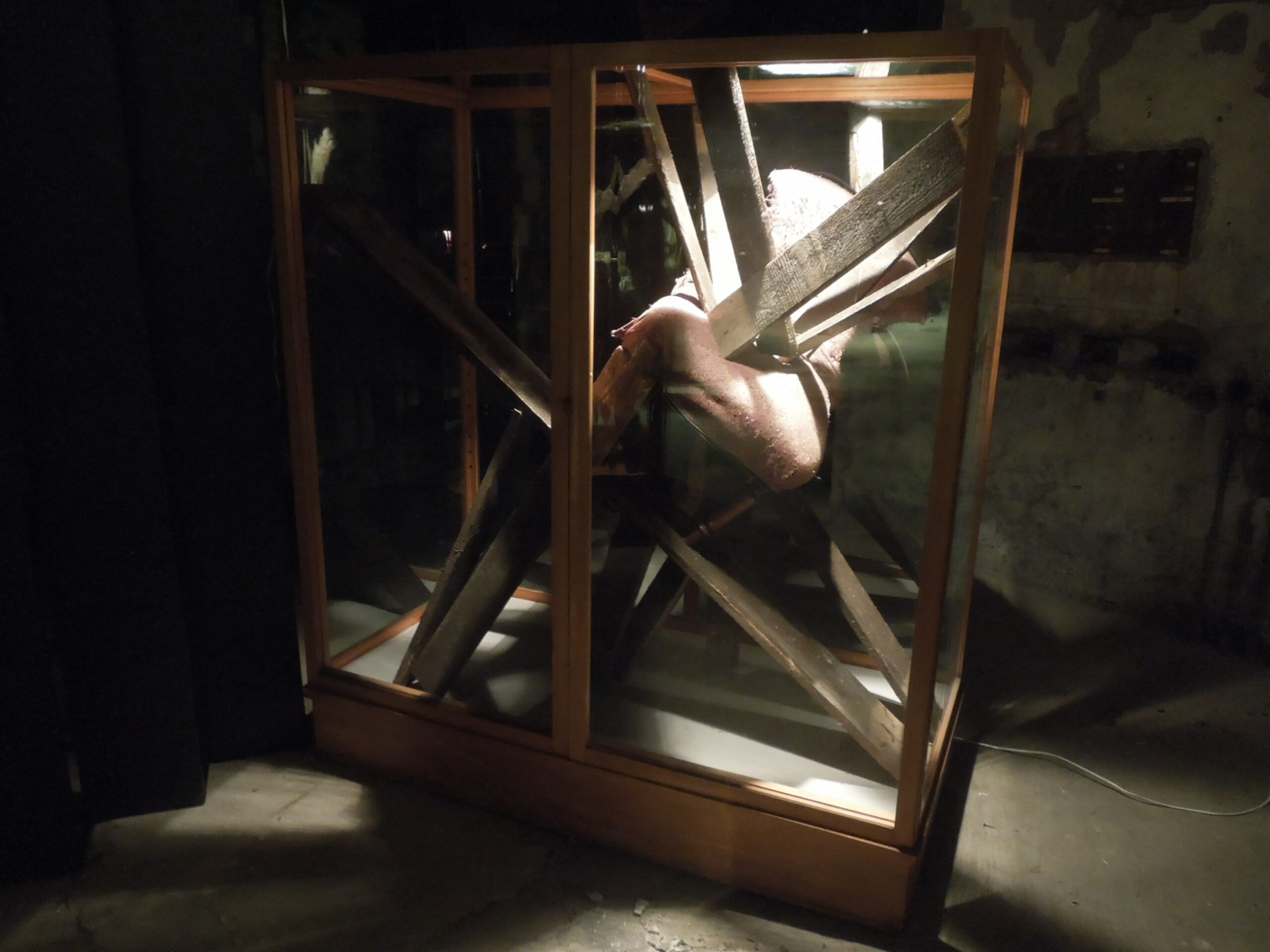
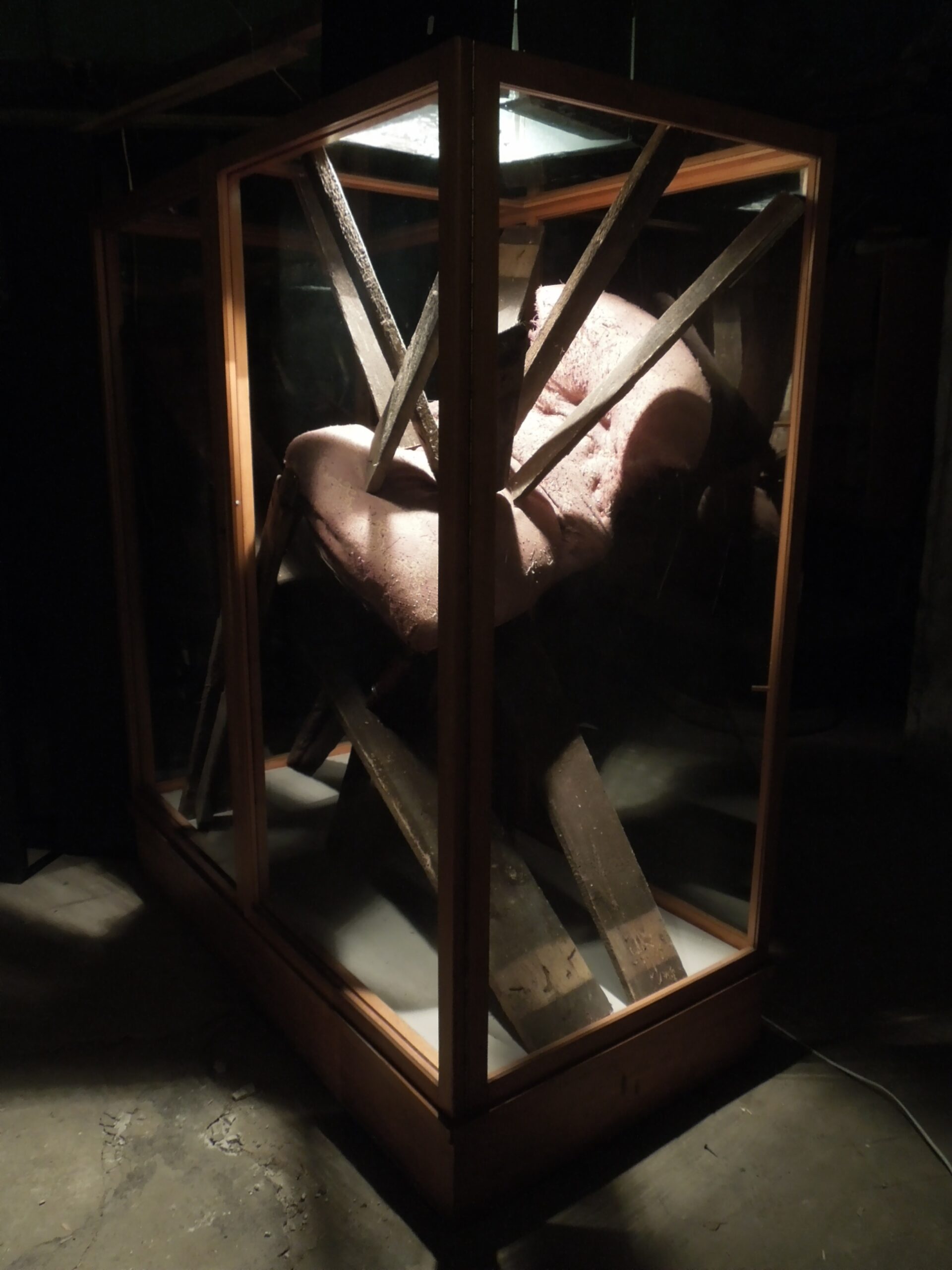
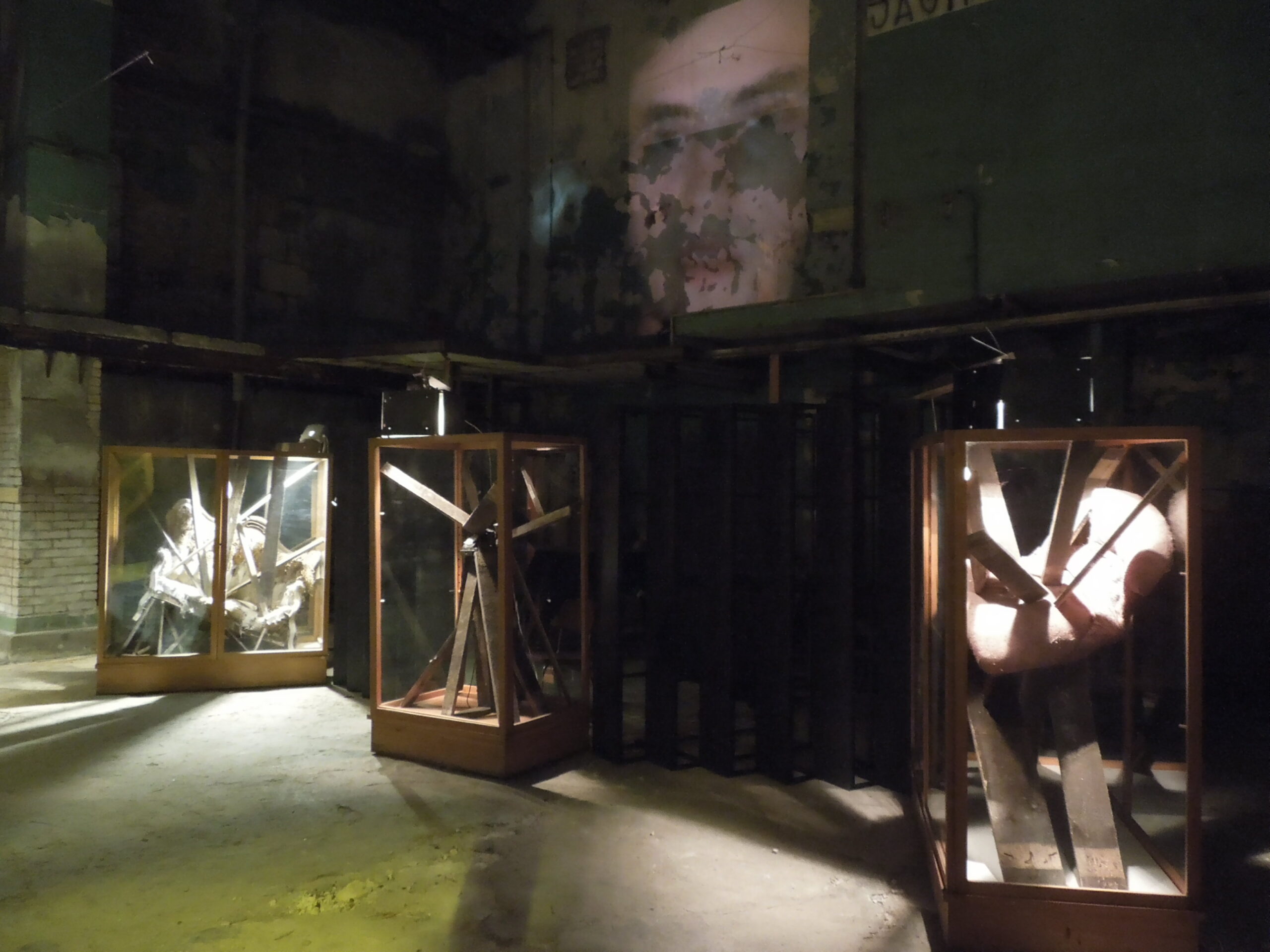
The project “54 Museums of Memory” functions as a “Place of Memory” a dedicated space for the preservation of subjective and collective experience. In this context, the museum is not merely a repository of artifacts, but a performative environment that addresses the fragility of human existence. The number 54 serves as a recurring ontological marker, representing:
54 human destinies…
54 human tragedies…
54 human universes…
This museum was conceived as a site of active mourning and critical reflection.
It sought to bridge the gap between the anonymous statistics of a disaster and the profound sanctity of an individual life.
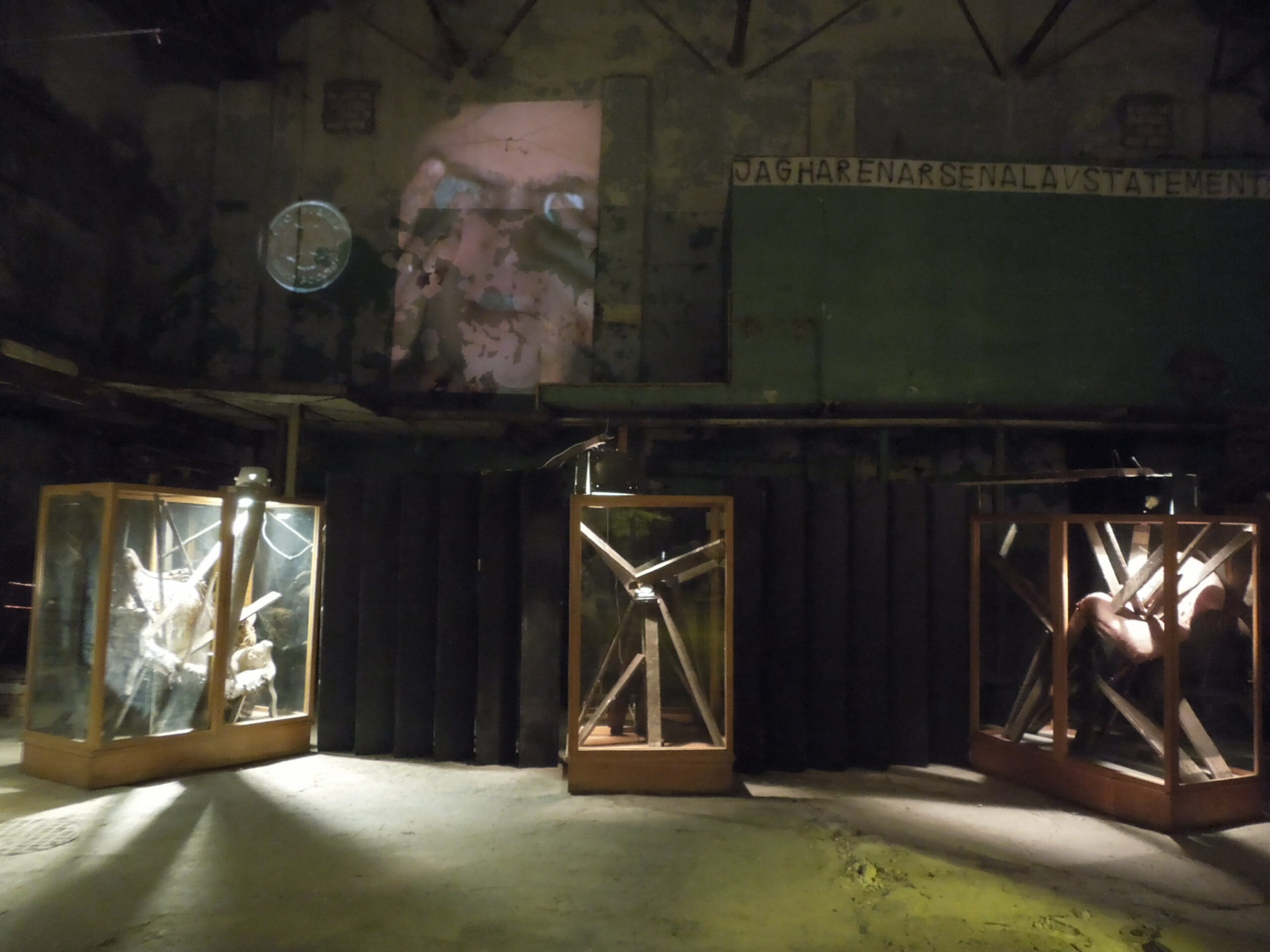
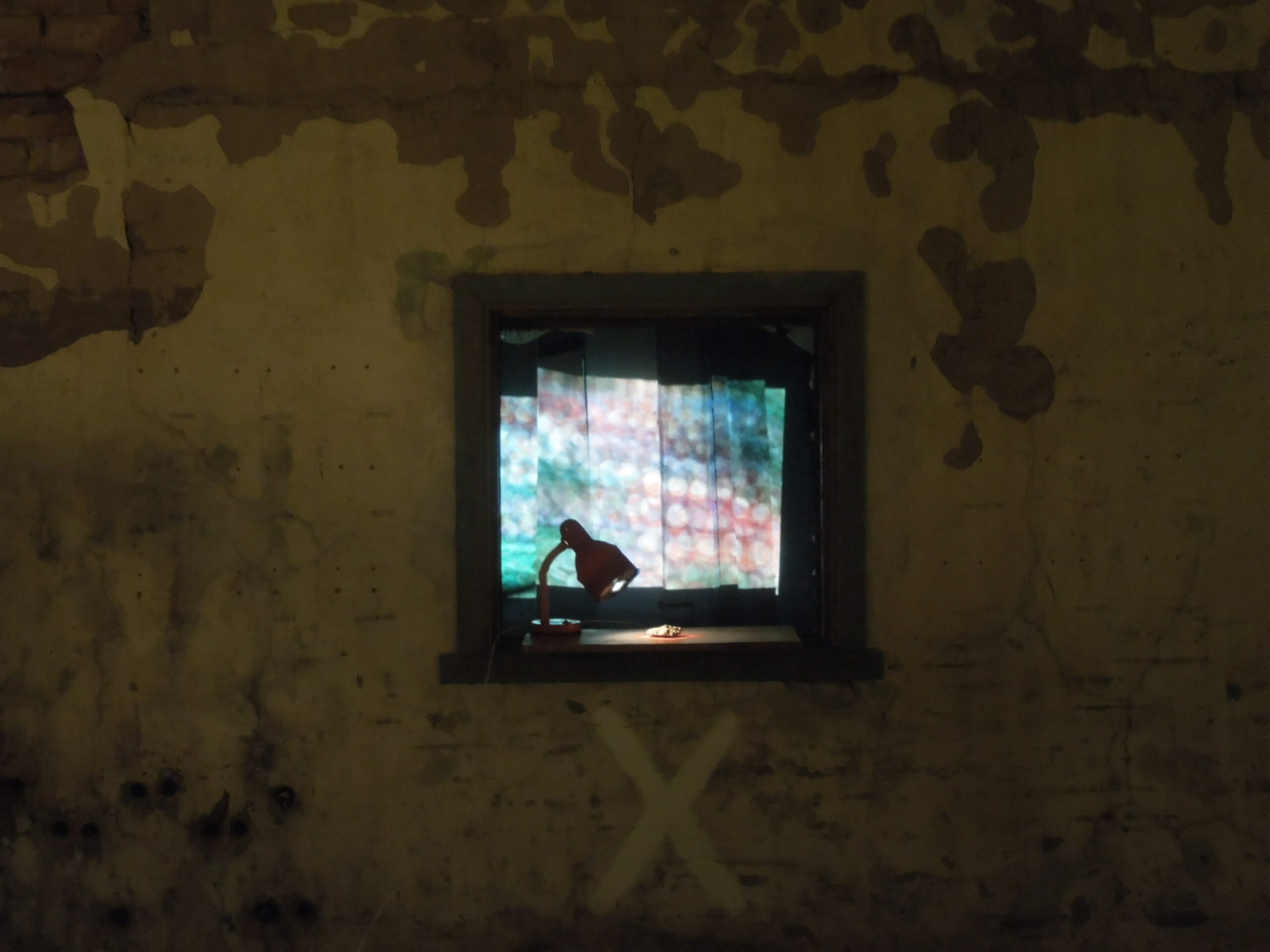
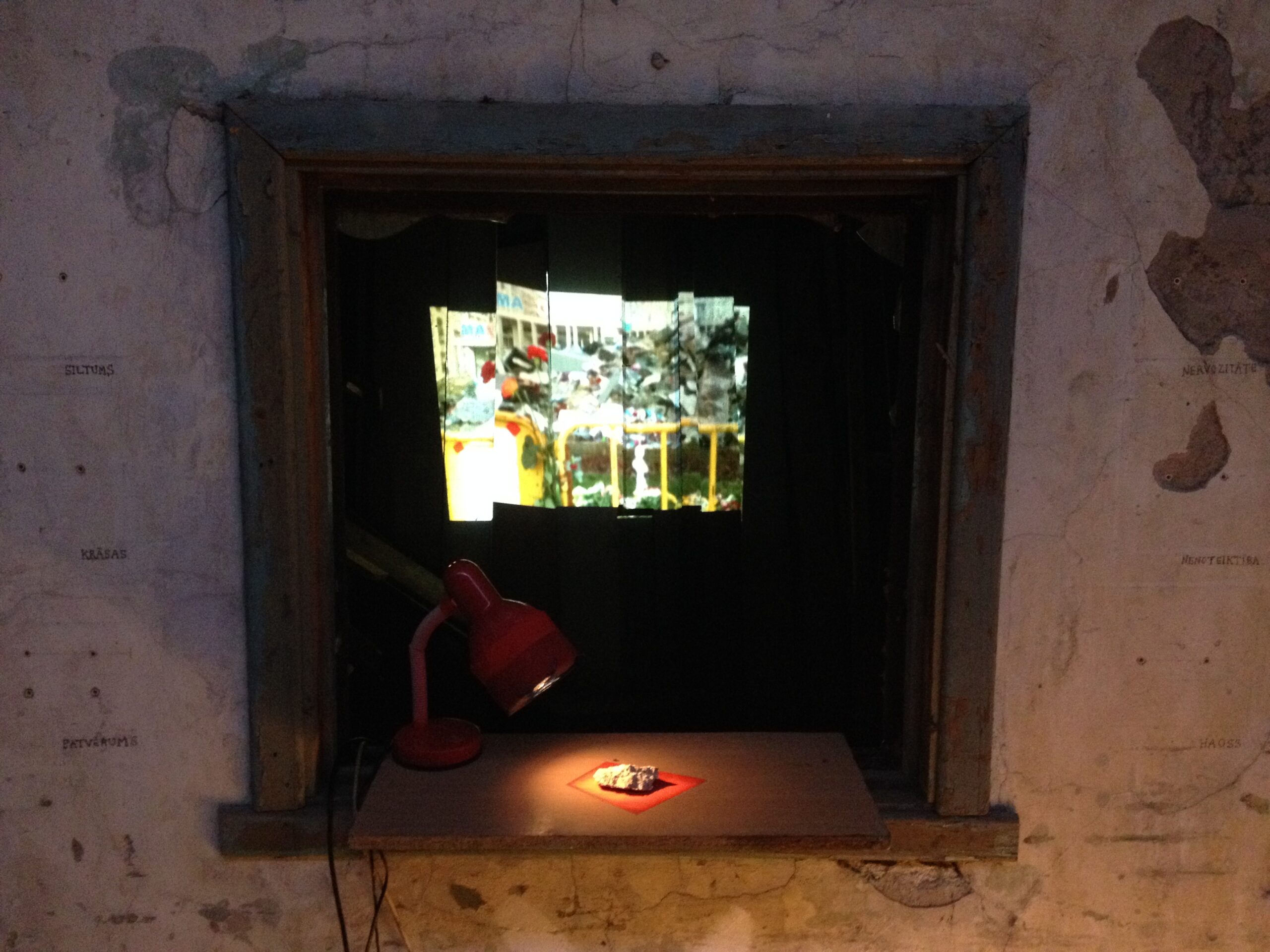
Through the synthesis of video documentation (the spontaneous floral memorial) and raw architectural remains, the “54 Museums of Memory” transformed a momentary shock into a permanent state of ethical witness.
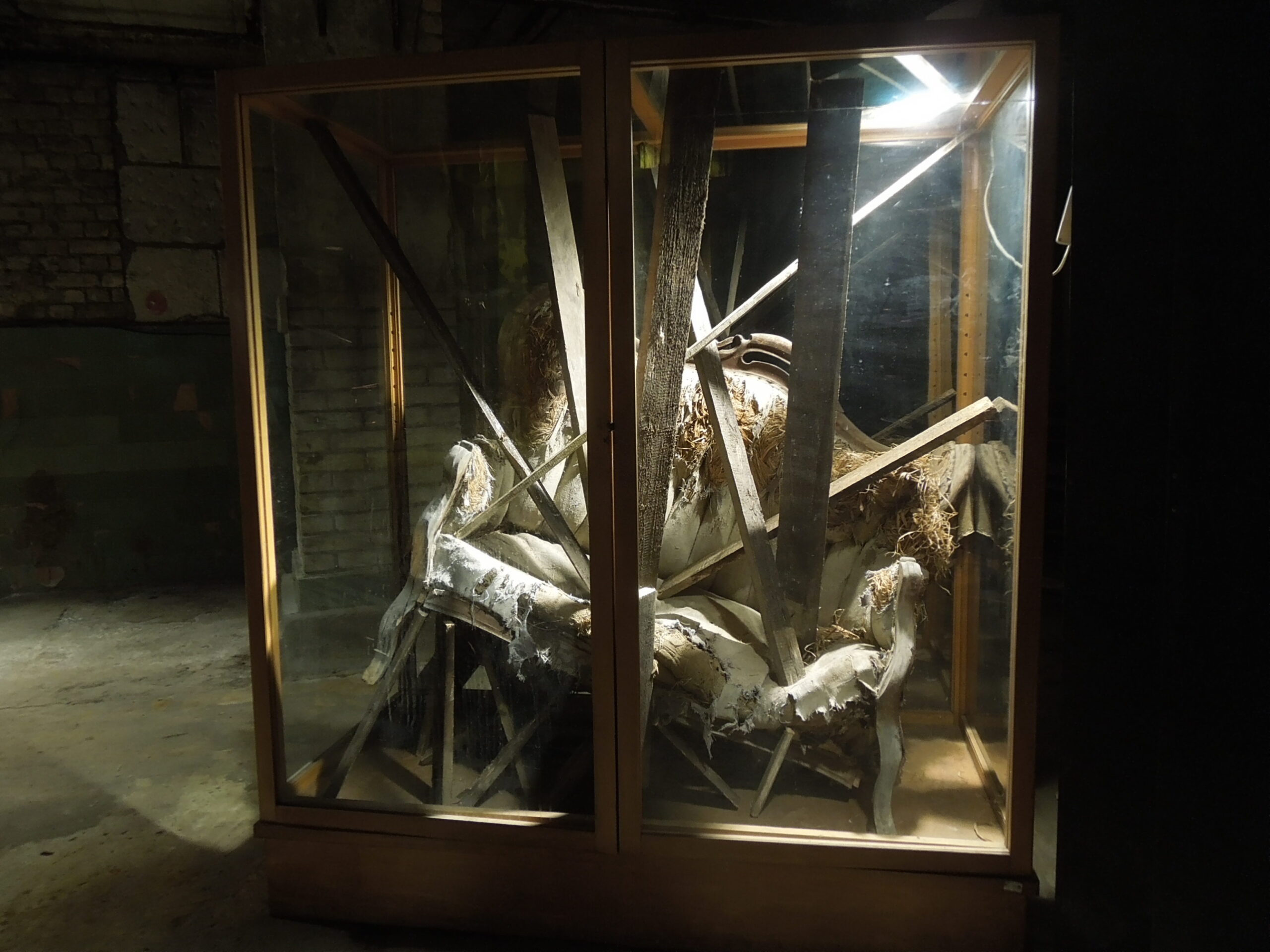
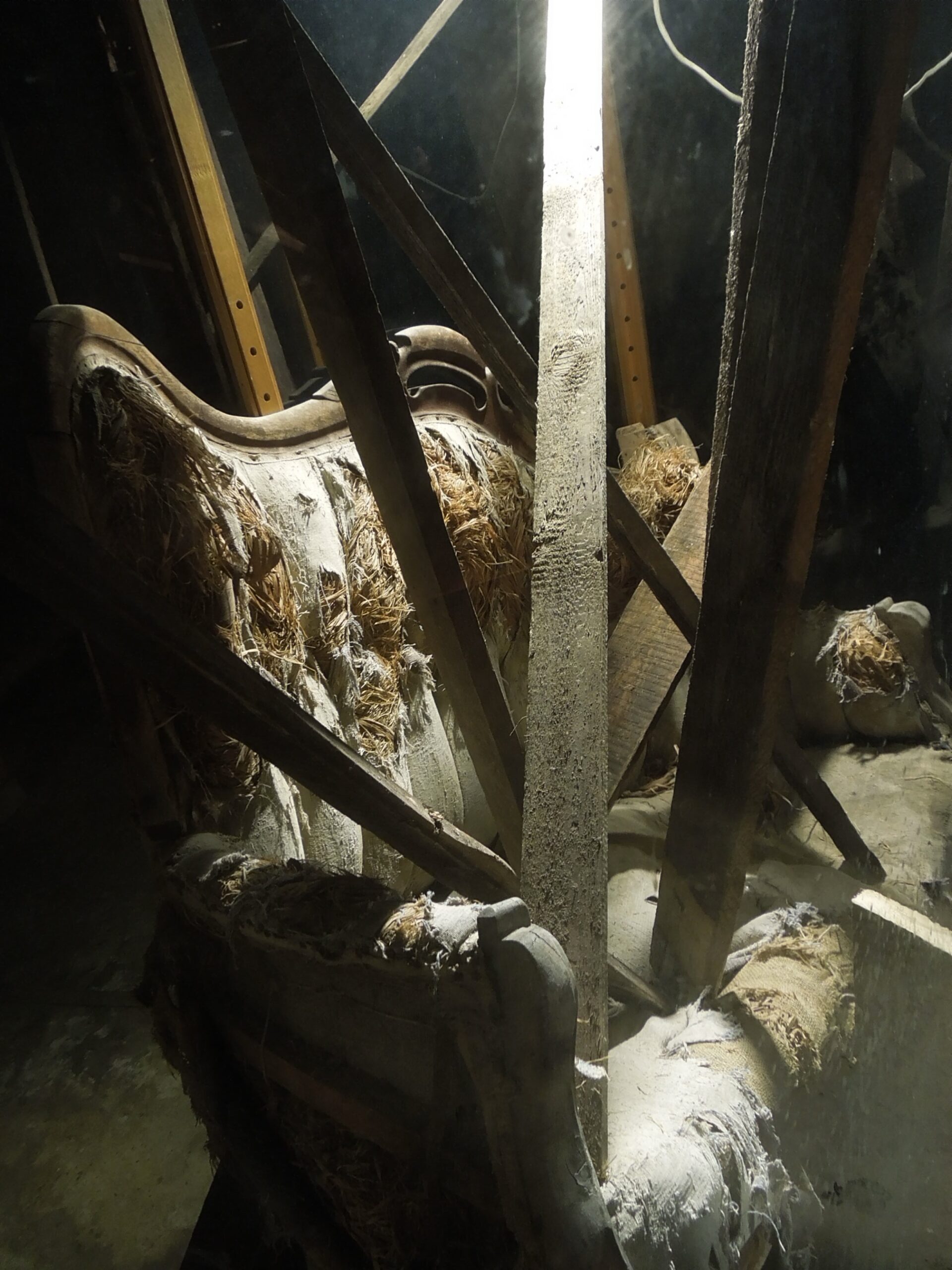
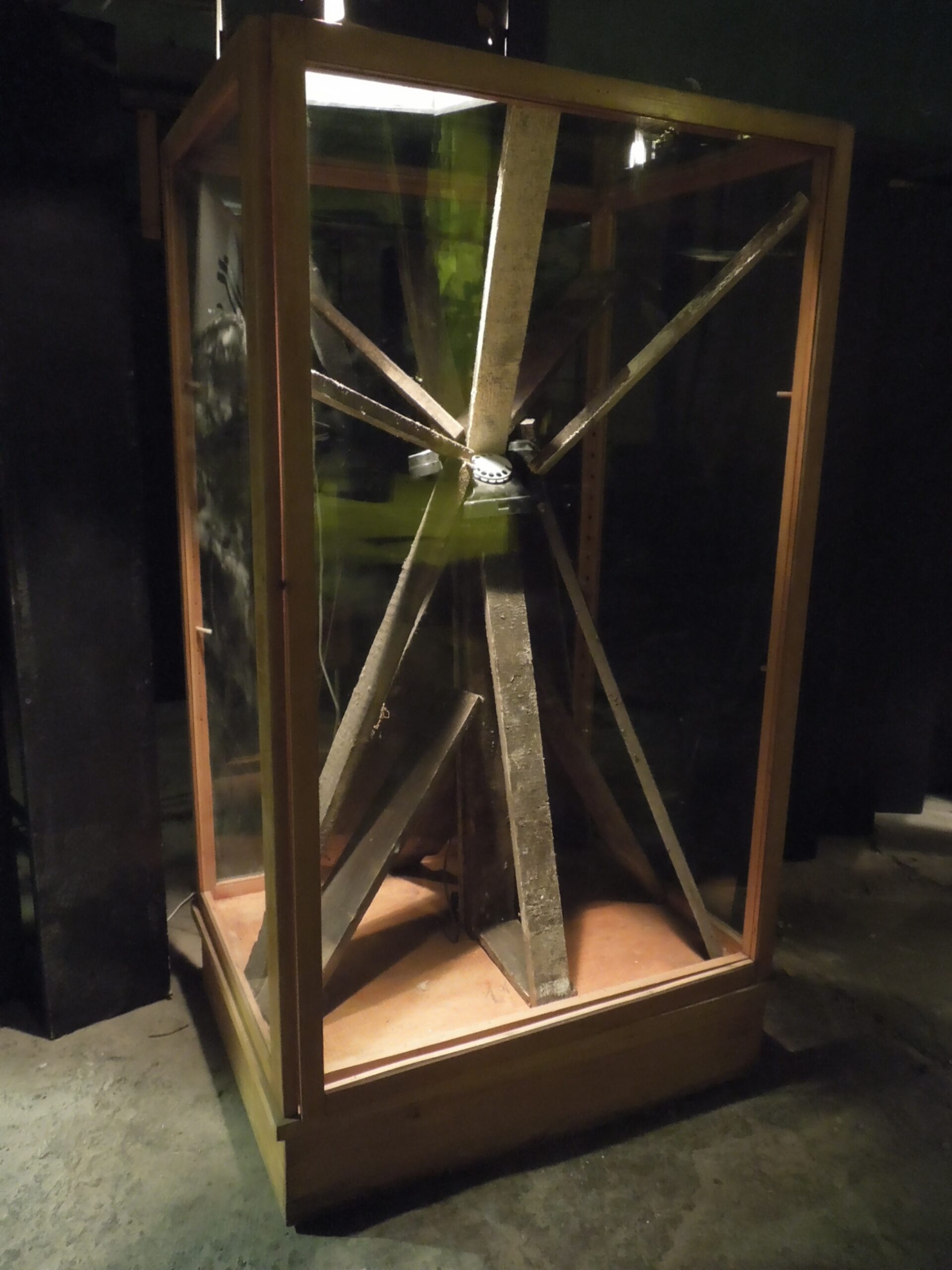
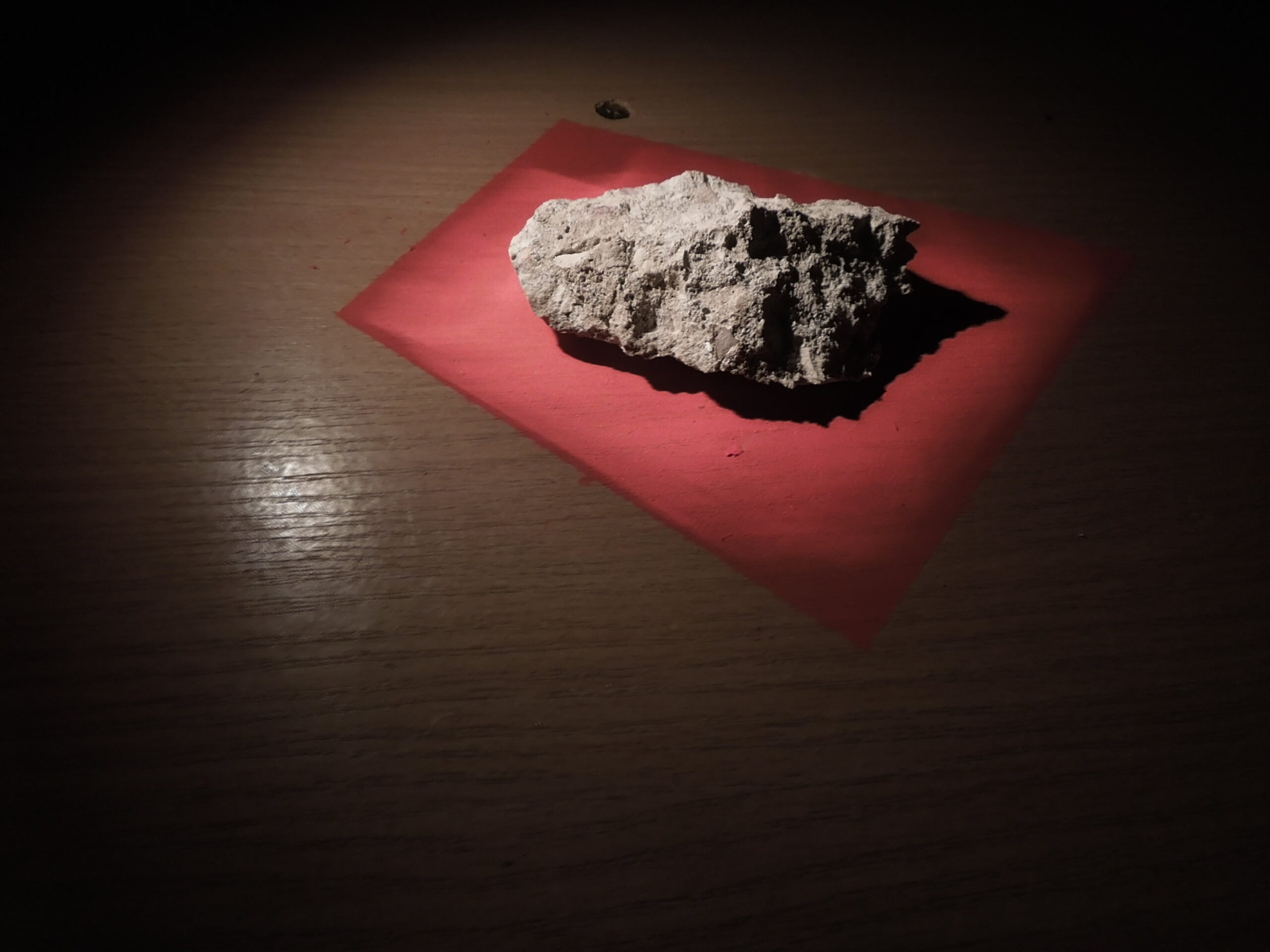
The materials utilized in this project were recovered from the public spaces of Riga, serving as physical traces of the event.
The video element documented the spontaneous “floral memorial” at the site of the collapsed shopping center a public manifestation of grief.
Crucially, a central component of the installation was a structural fragment recovered from the building itself.
By incorporating this architectural remains, the work transcends mere representation, becoming a visceral, material testimony to the scale of the loss.
The project was implemented as a video-sound installation.
2013
“Destruction of Zero Presence”, Totaldobže Art Center, Riga