One person with a belief is equal to the force of 100 000 who have only interests! (Anders Breivik’s last tweet before the July 22, 2011 attacks)
The multiculturalism policies proclaimed by numerous European states experienced a systemic collapse. Not only in Norway, but throughout Europe, nationalist movements emerged and, following the 2008 crisis, became increasingly active. The prevailing discourse suggested that integration had failed due to a complex web of cultural disparities, differing mentalities, and gaps in professional motivation.
The deeper the crisis, the more successfully opponents of multiculturalism found support among “titular nations.” Taxpayers expressed resentment that, amid budget deficits, social benefits were being allocated to migrant communities, whom they perceived as resistant to labor integration and lacking in “civic gratitude.”
Simultaneously, diasporas underwent a process of radicalization, asserting demands that clashed with established European secular norms.
The situation escalated to the extent that far-right parties gained parliamentary seats in regions formerly defined by their tolerance. Leading European heads of state began to acknowledge the failure of the very immigration policies that had been declared a pillar of the unified European ideology.
Through this lens, the research sought to address the following:
What were the authentic perceptions of both the indigenous population and the migrant subjects regarding this systemic friction?
What solutions did representatives of these communities propose to navigate the existing crisis?
The primary inquiry was: how can a mechanism for social consolidation be activated without triggering “irritant indicators” of public resentment, while remaining sensitive to regional mentalities?
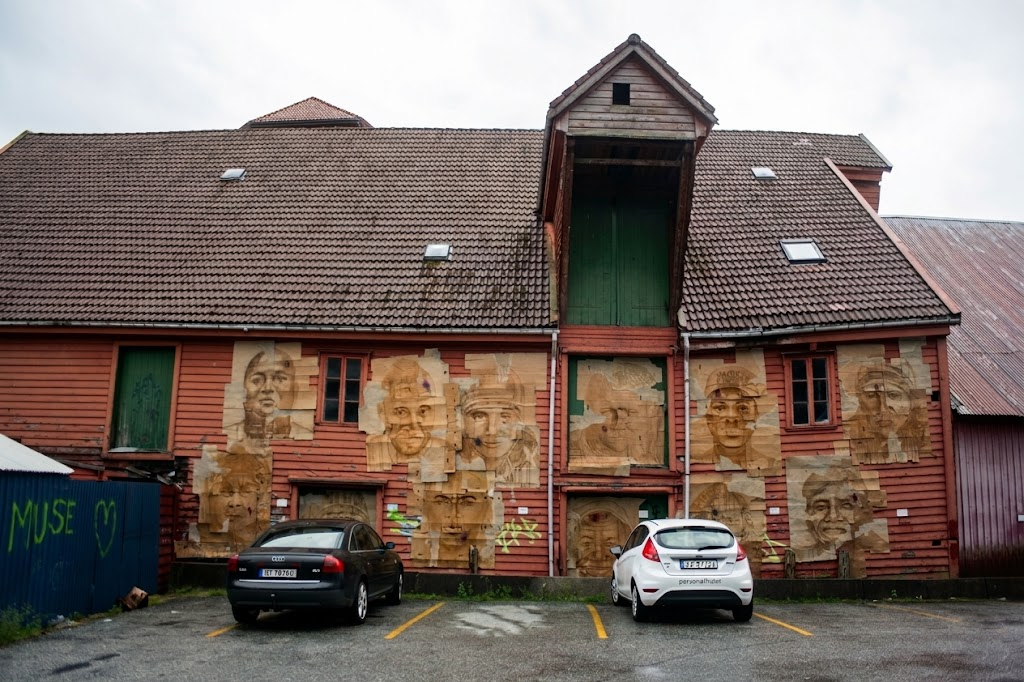
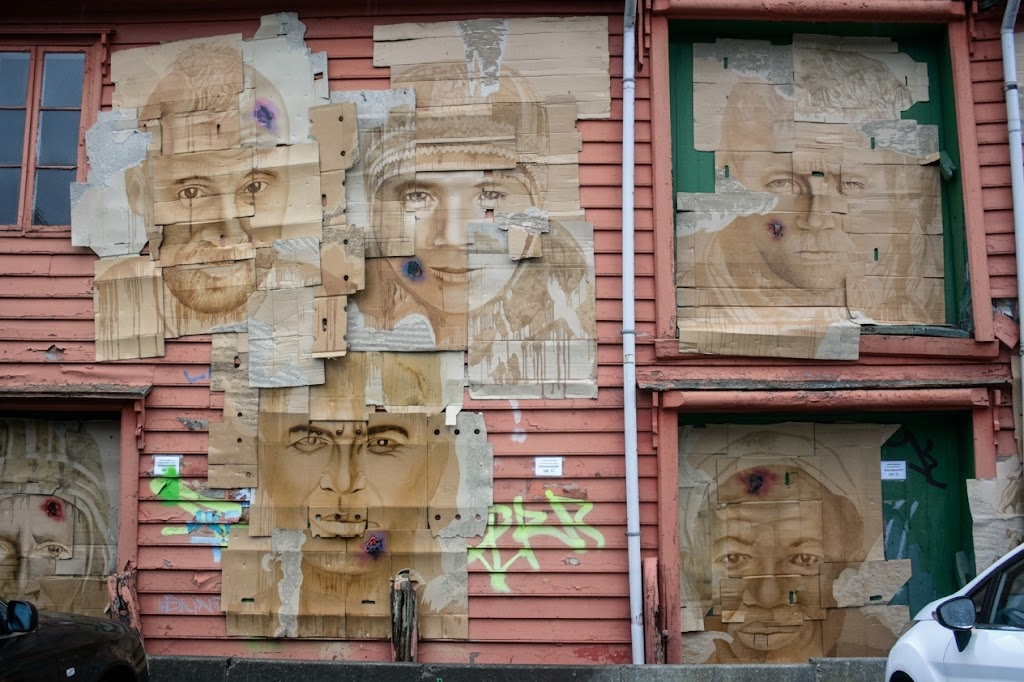
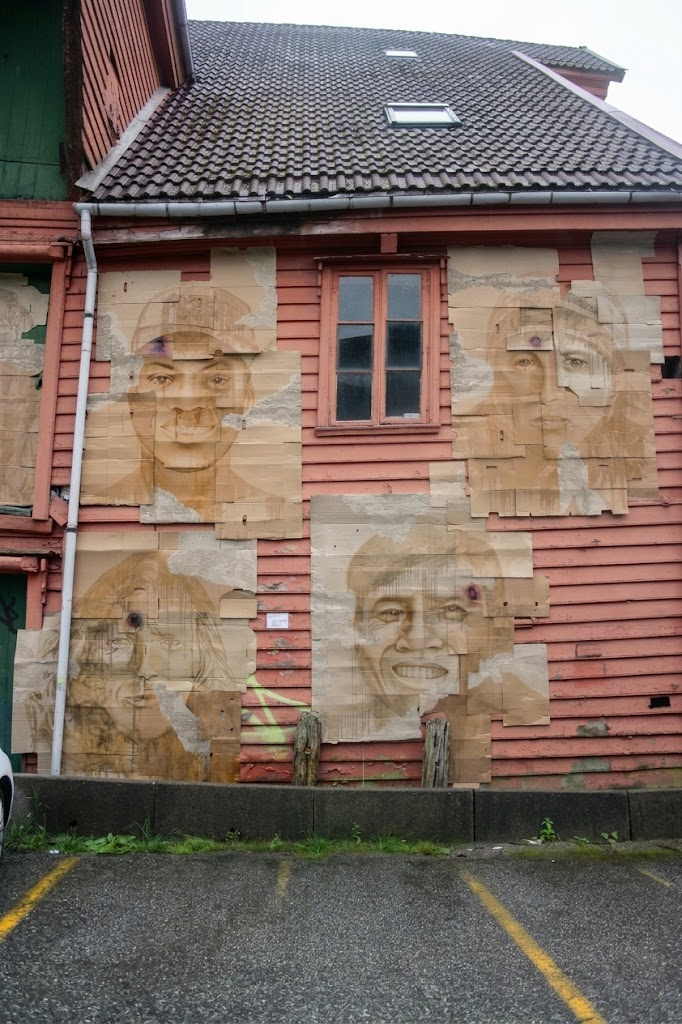
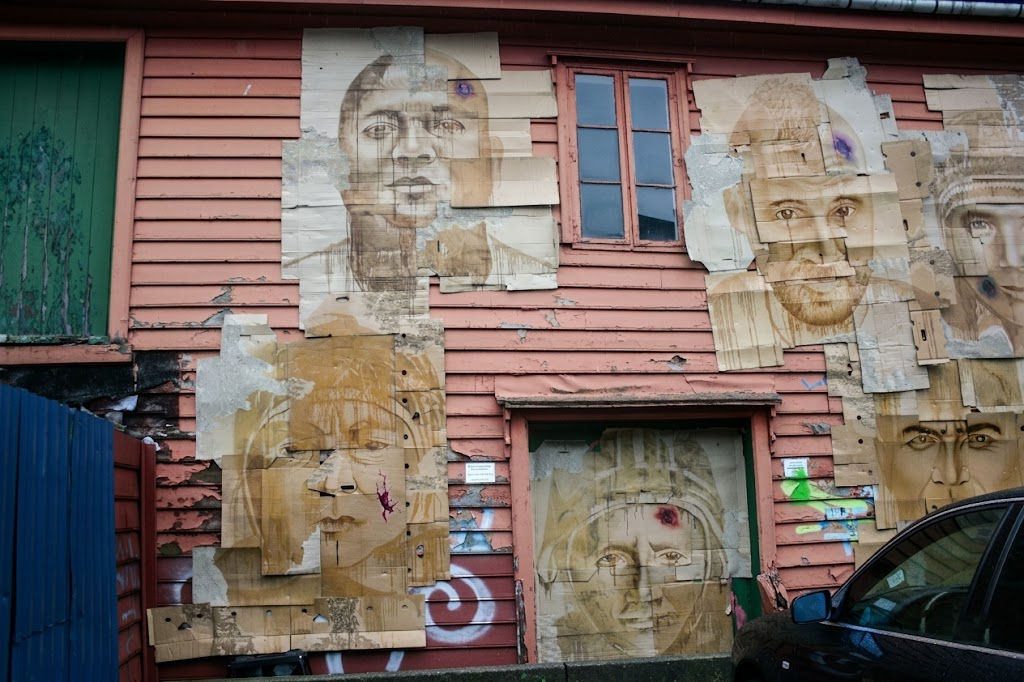
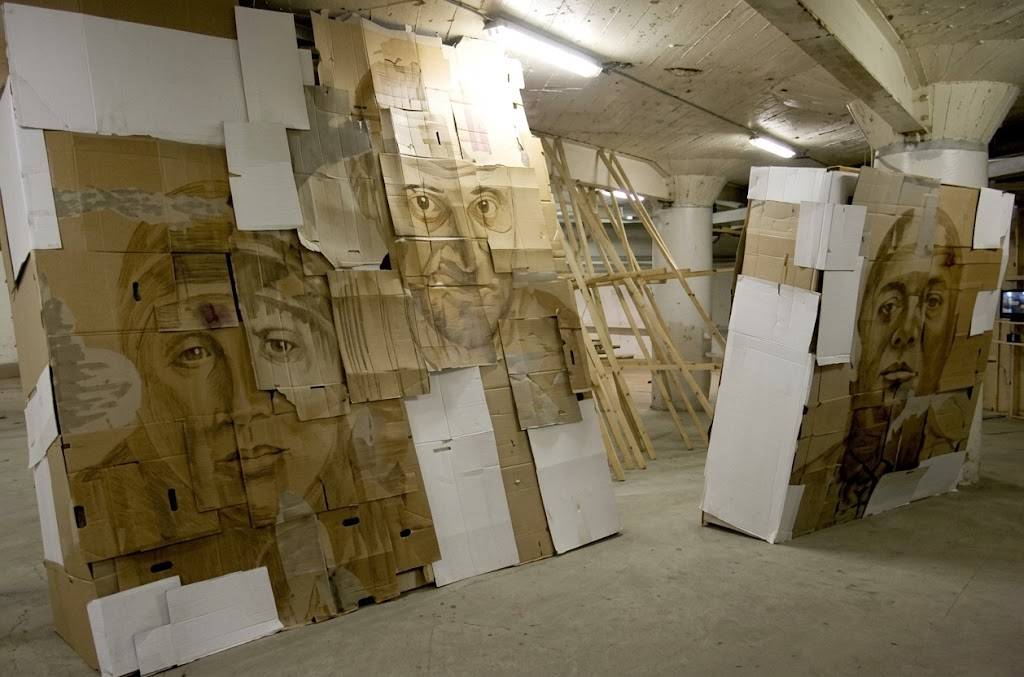
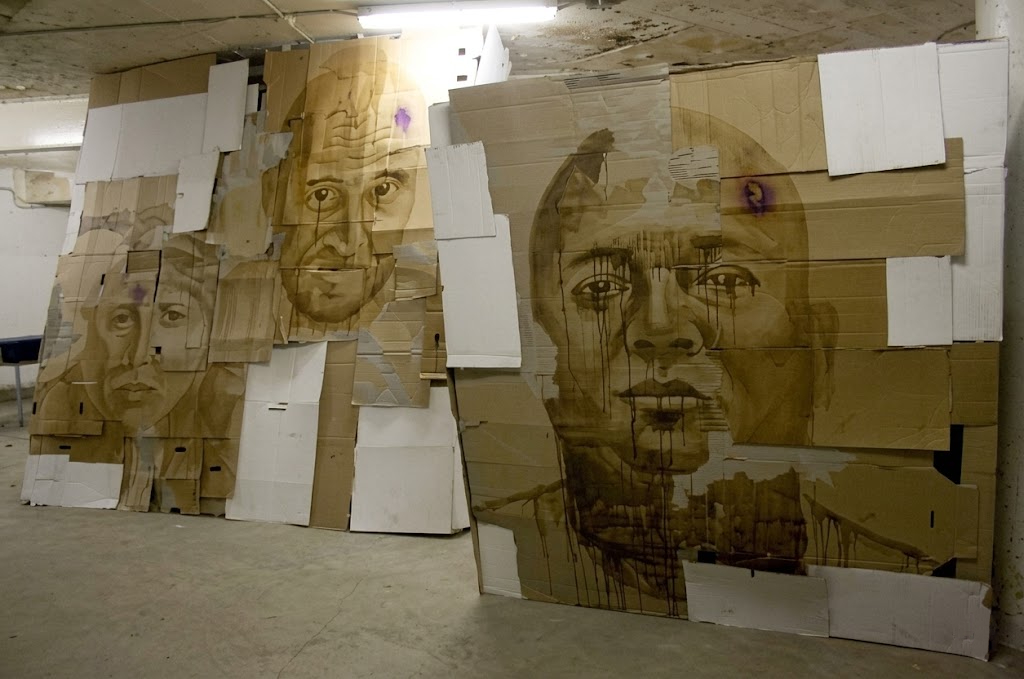
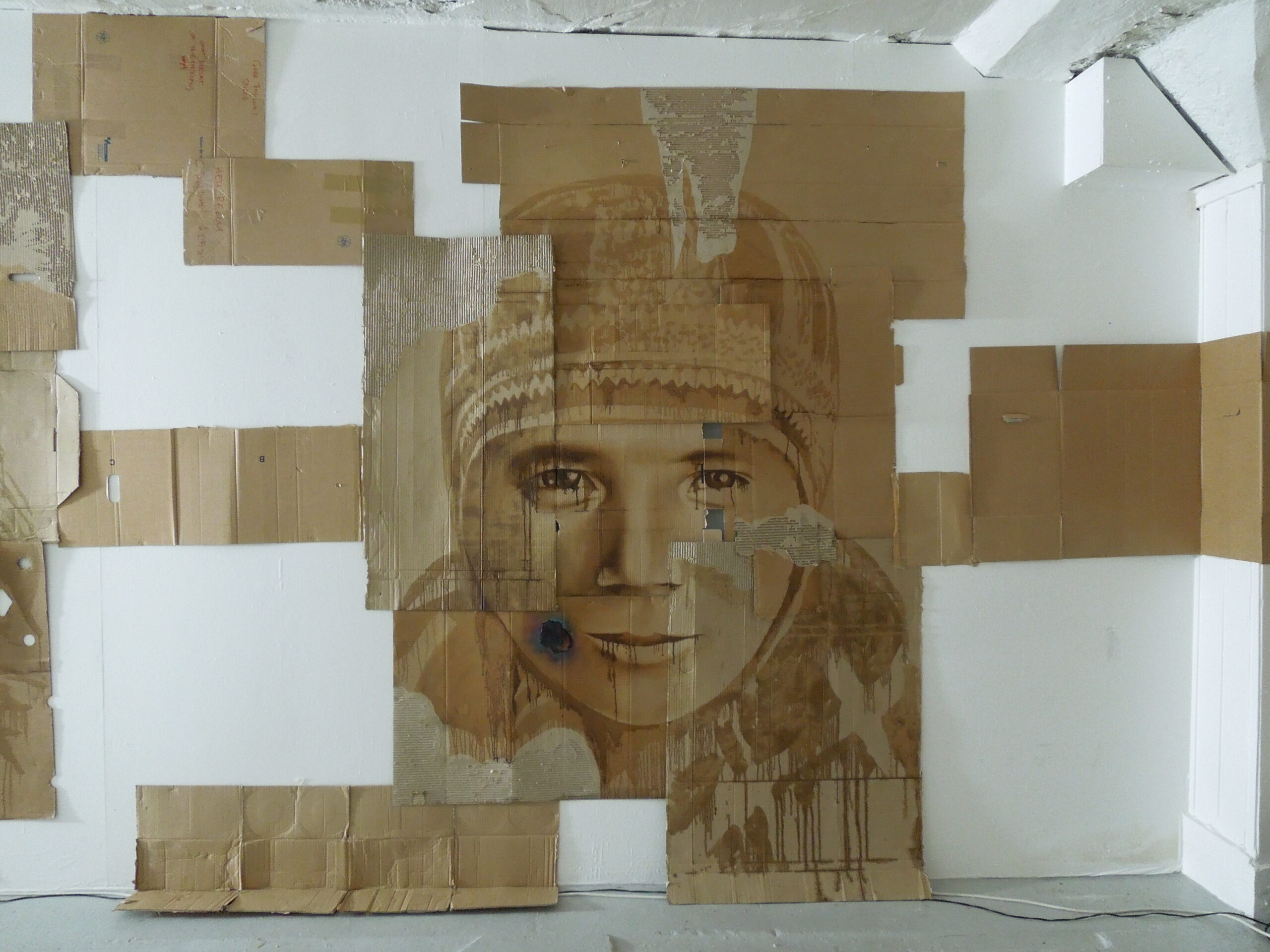
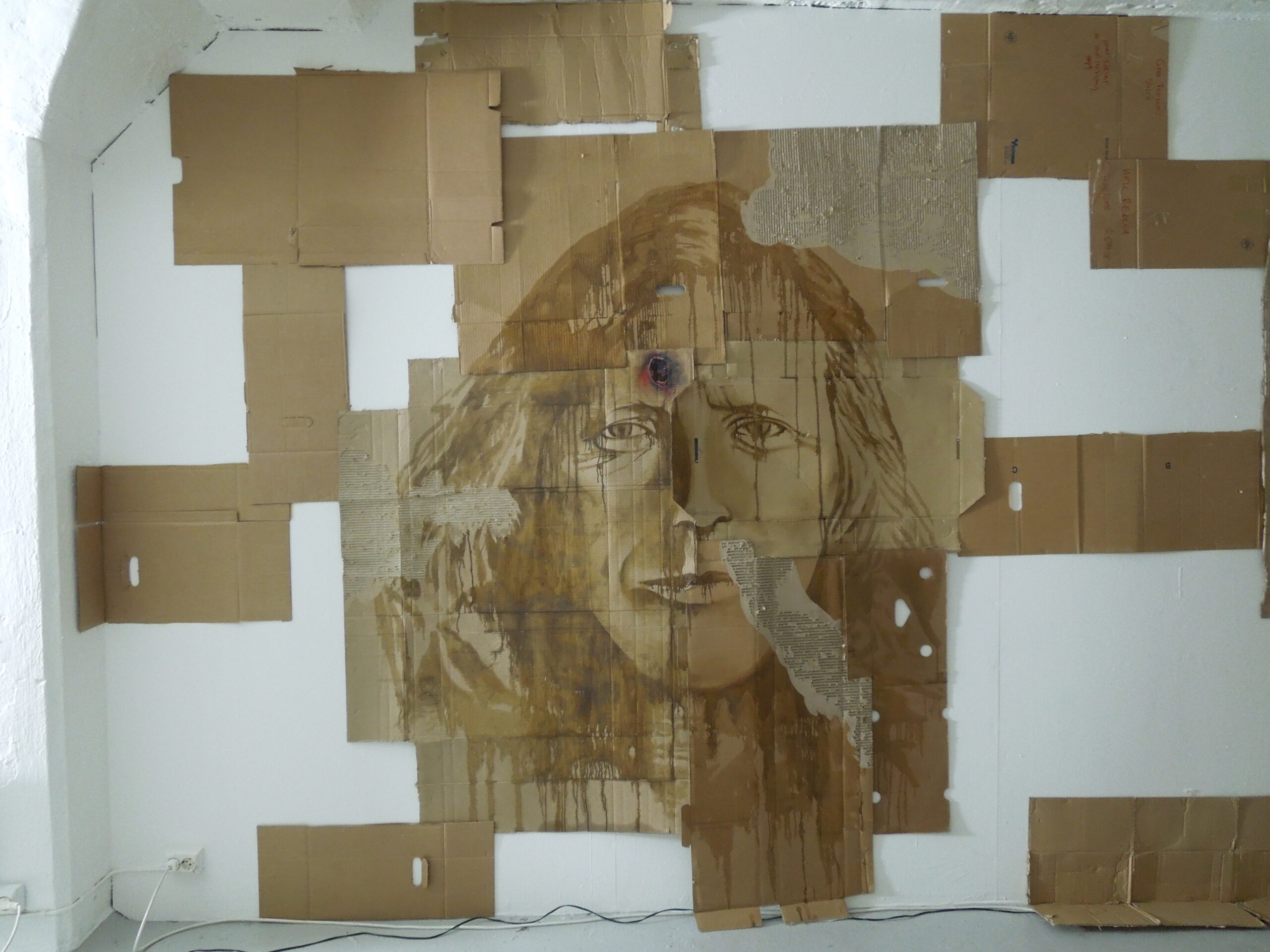
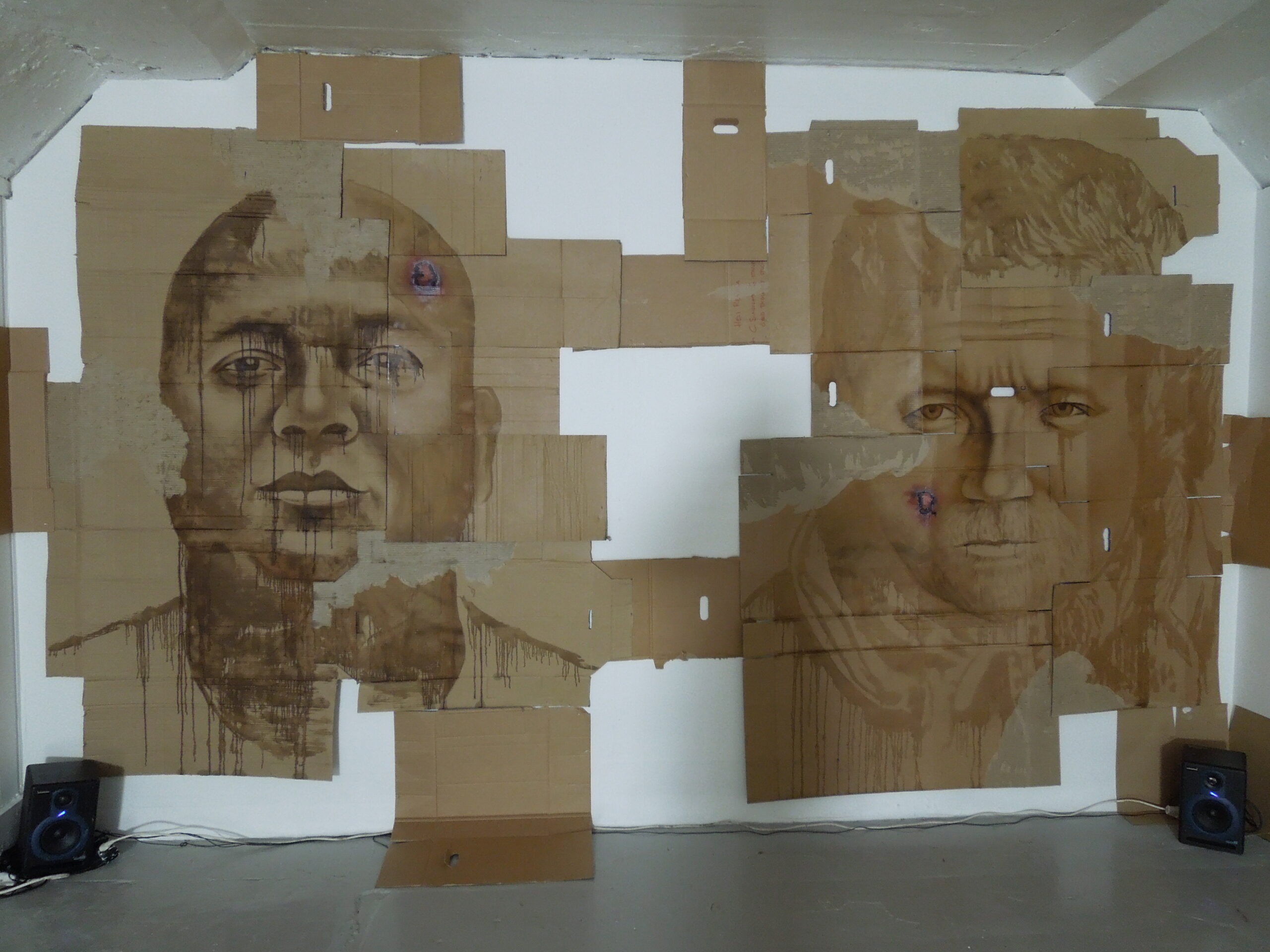
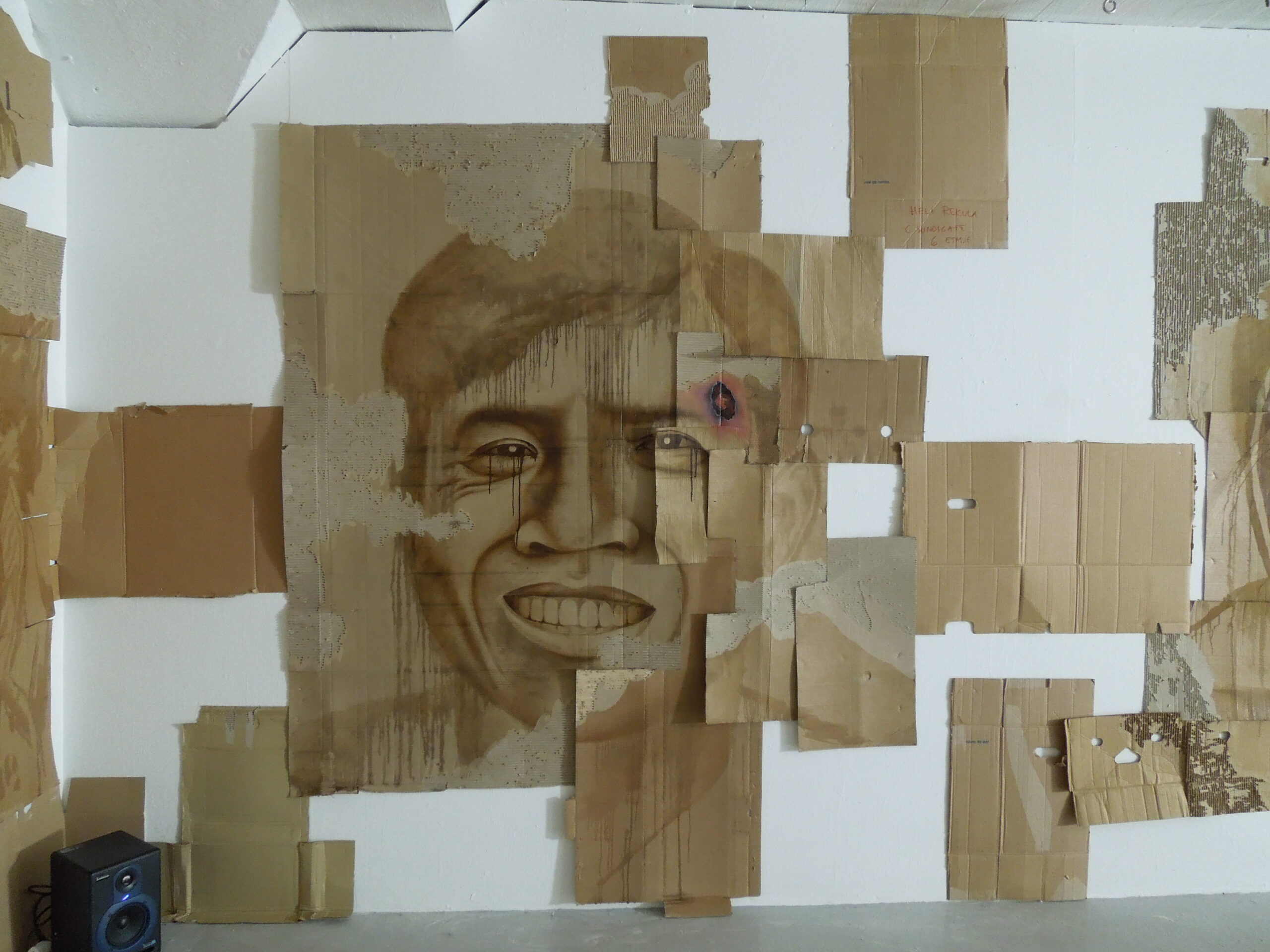
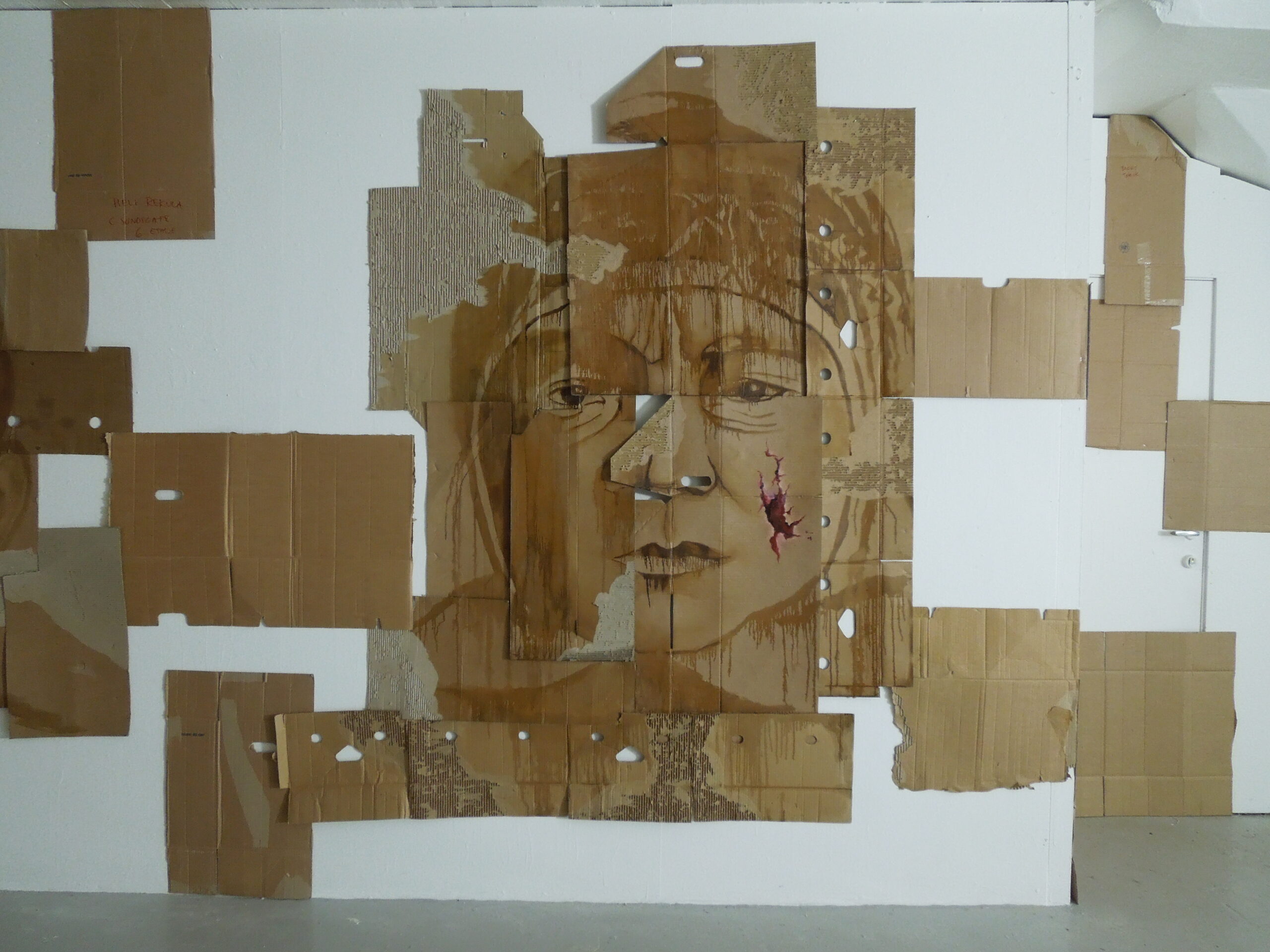
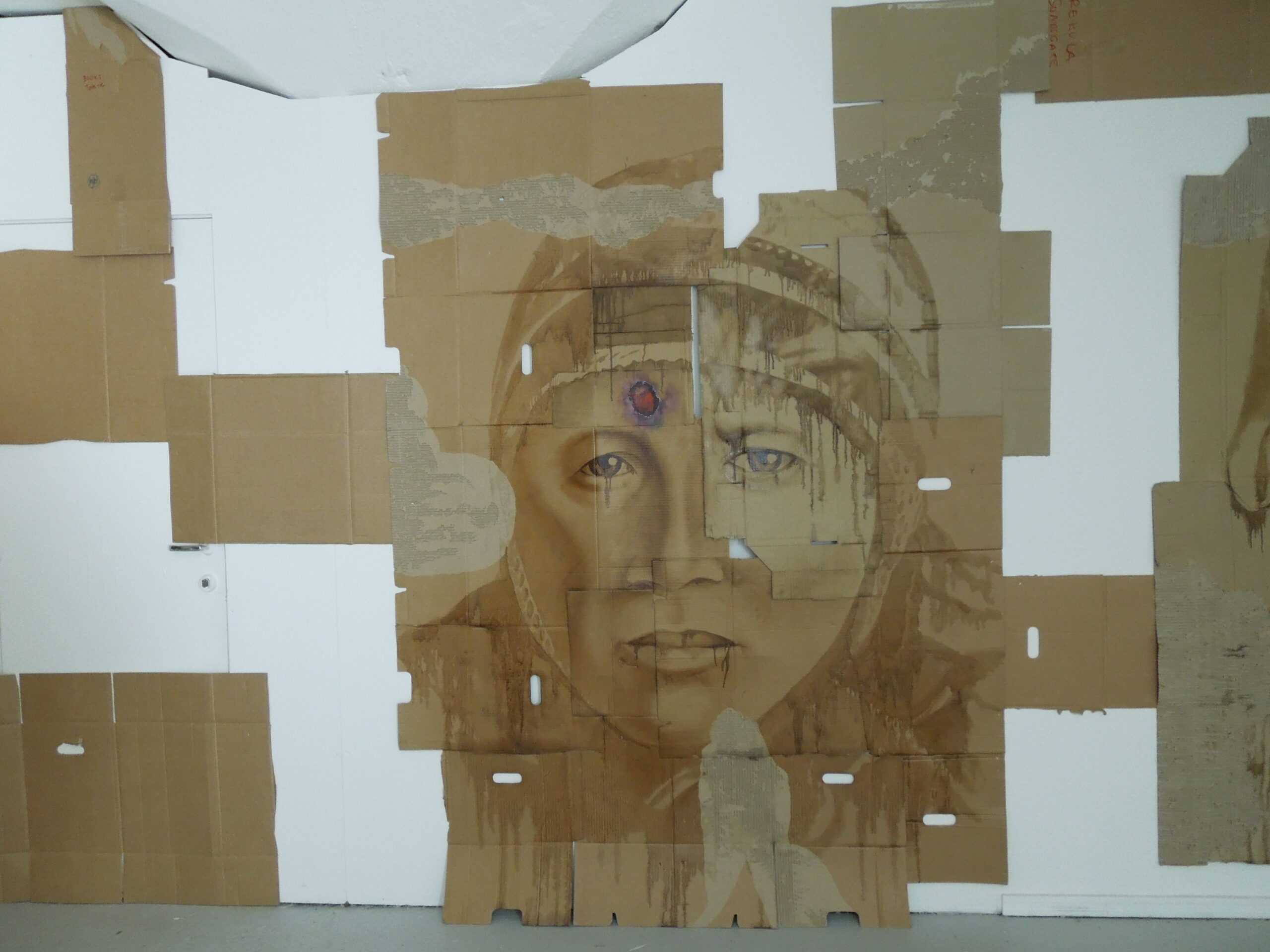
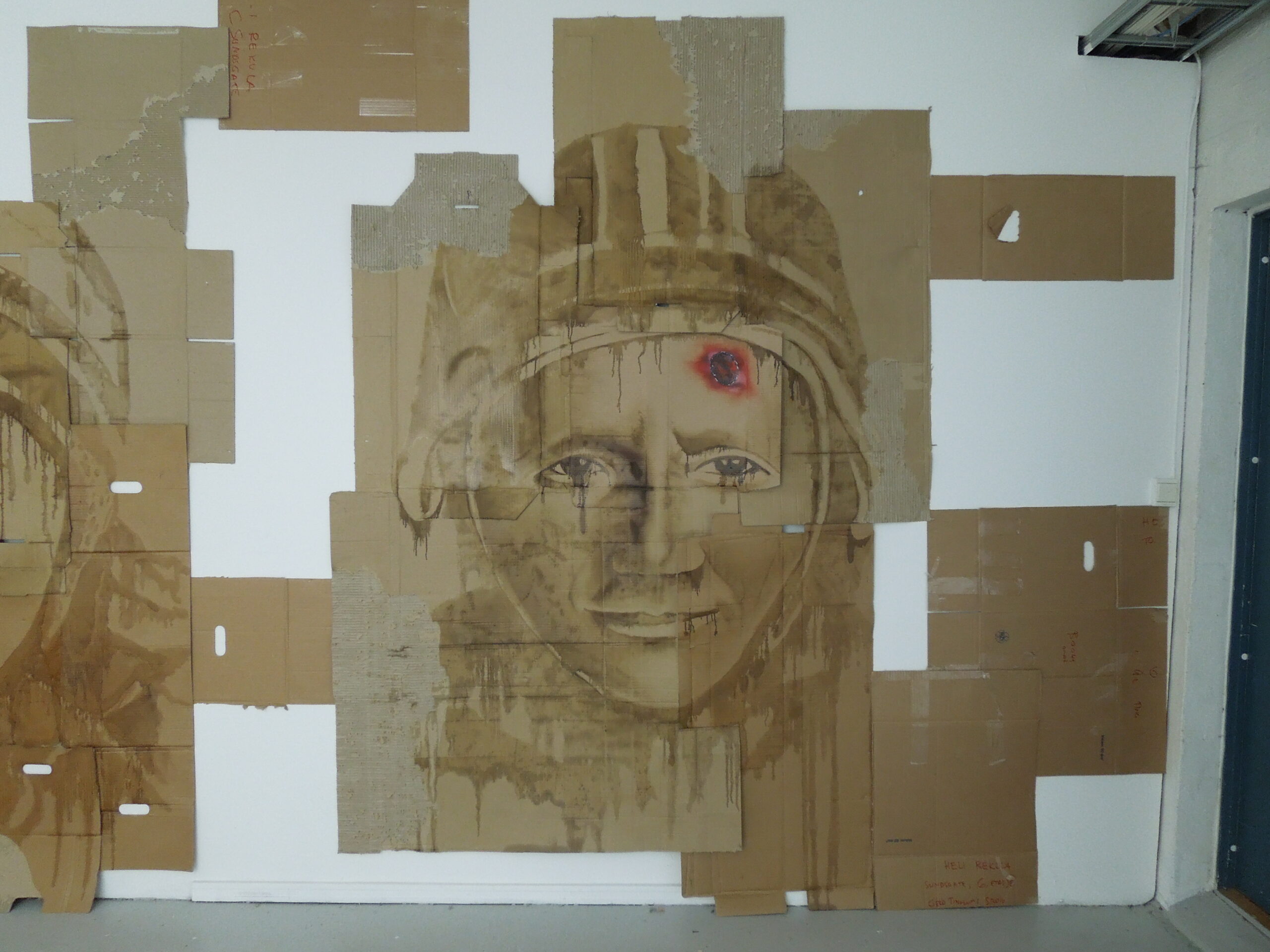
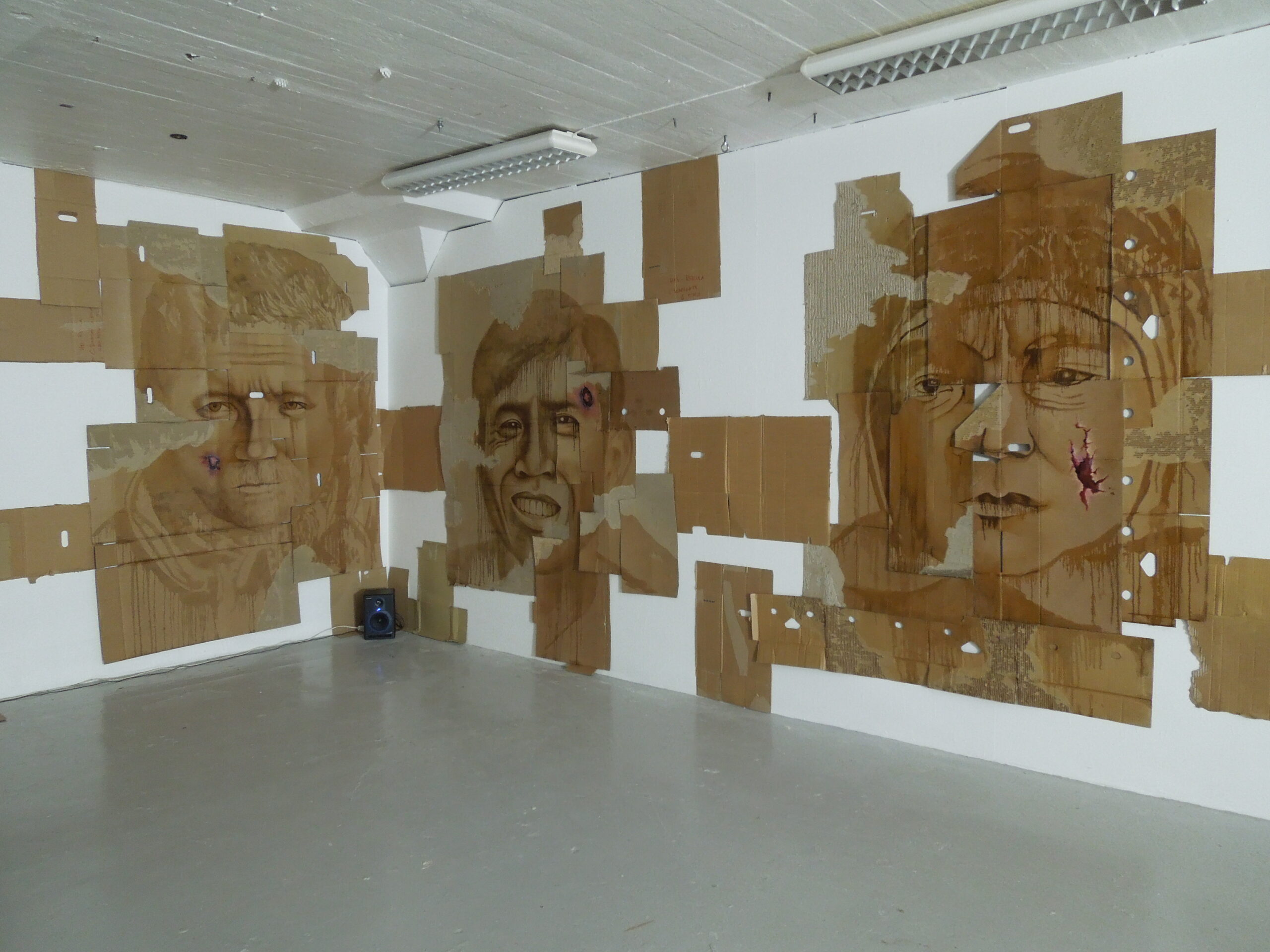
My objective was to bring to the surface those who remained politically and phenomenologically invisible. I sought to make the invisible visible.
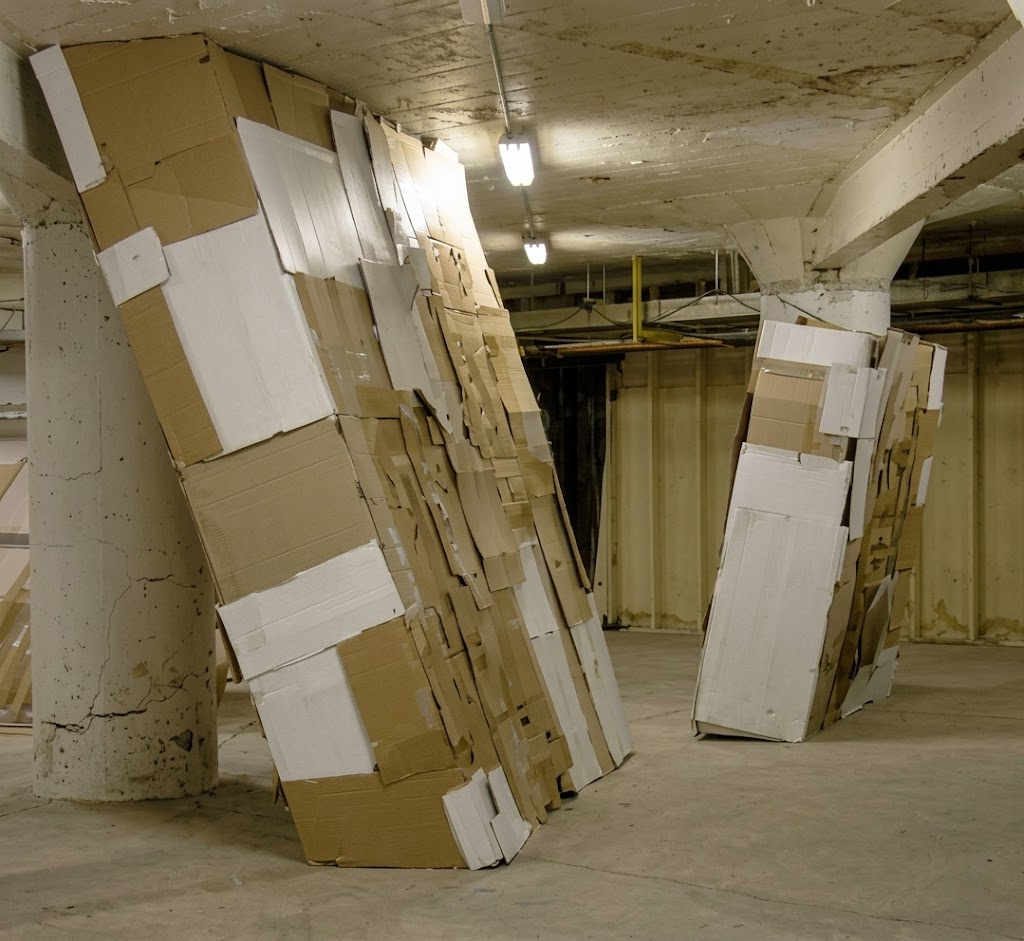
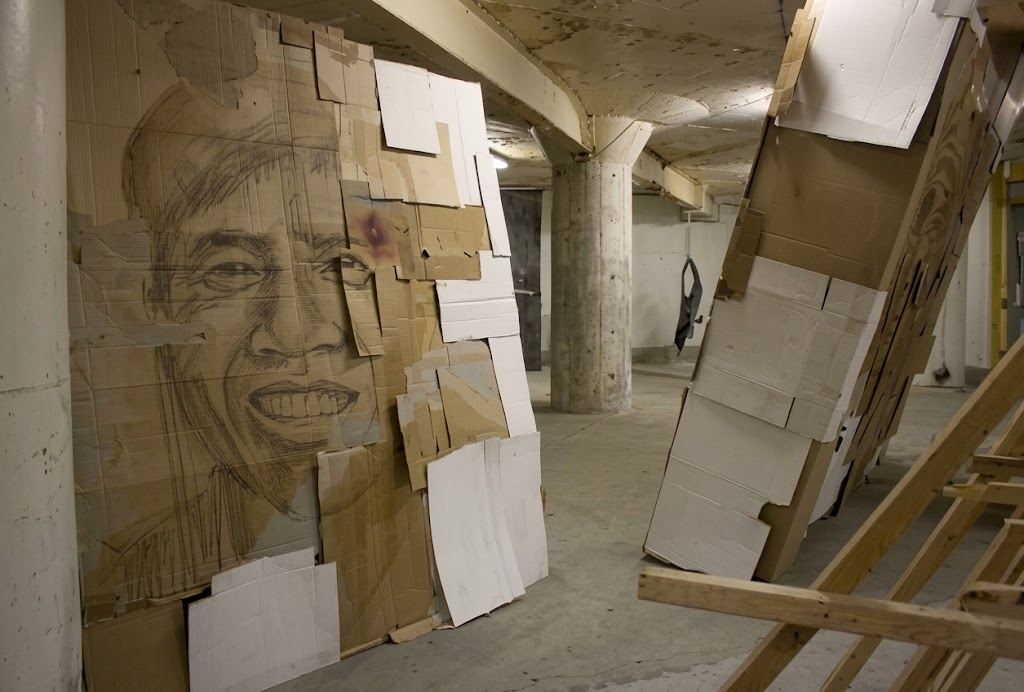
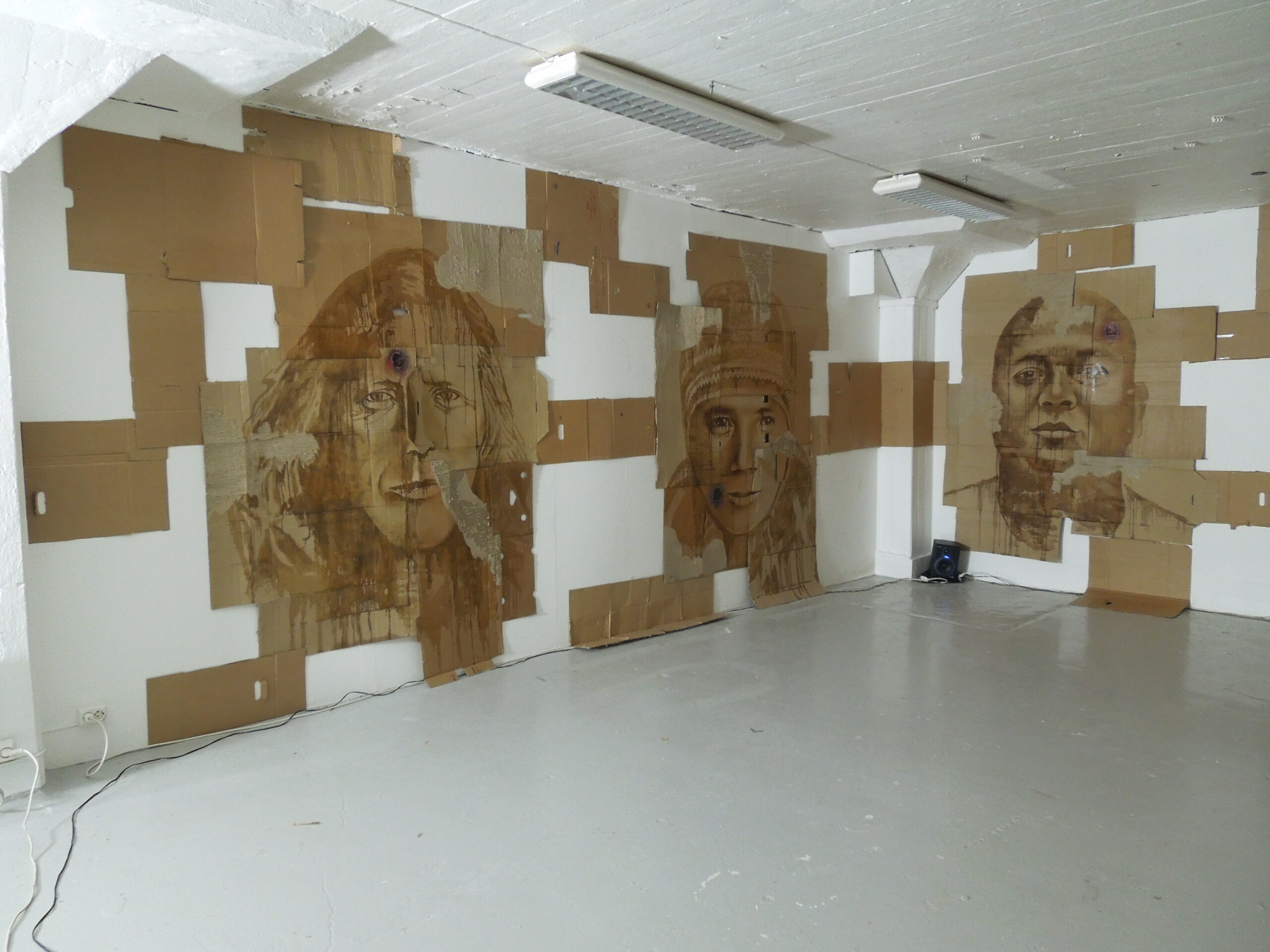
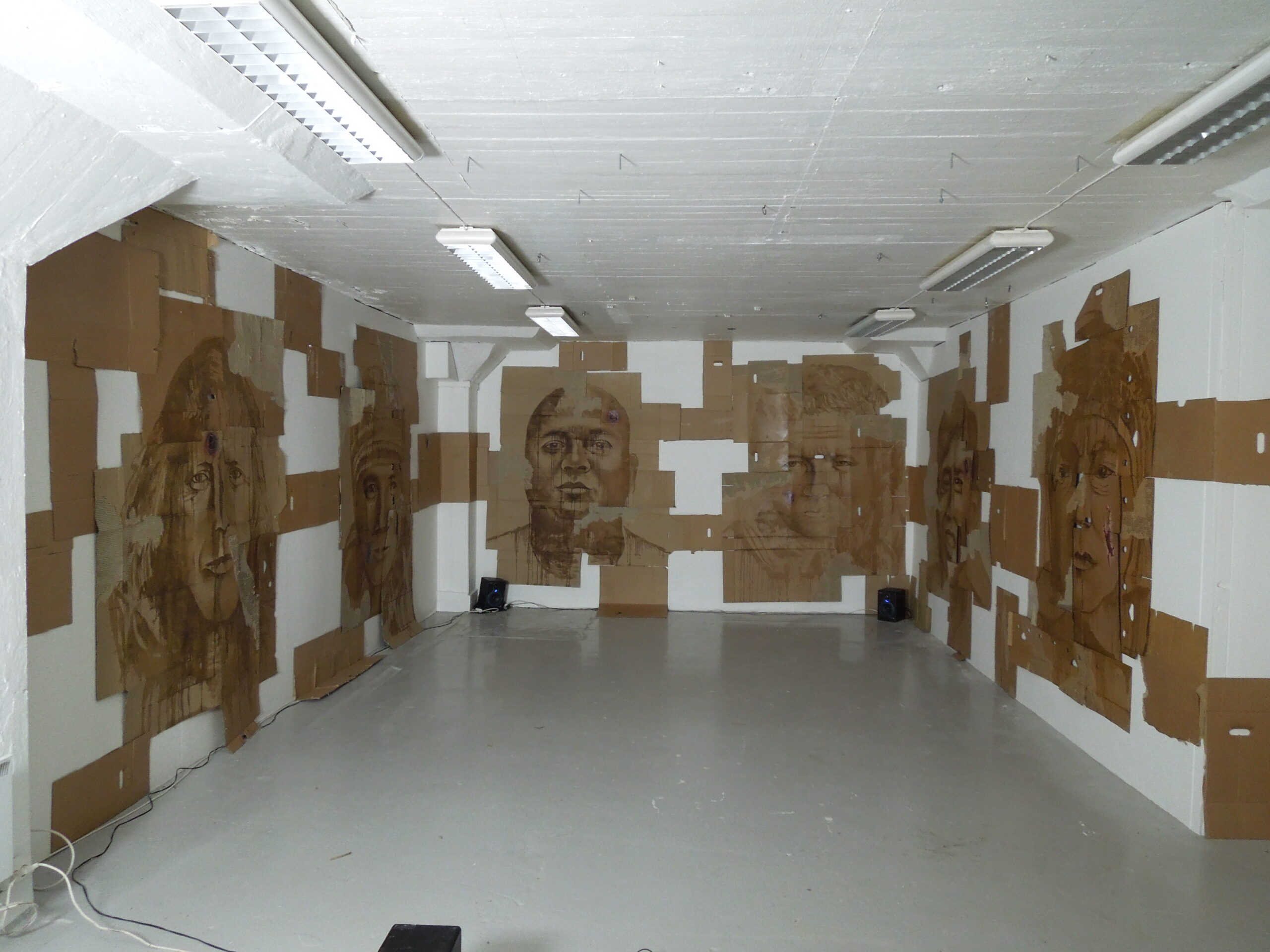
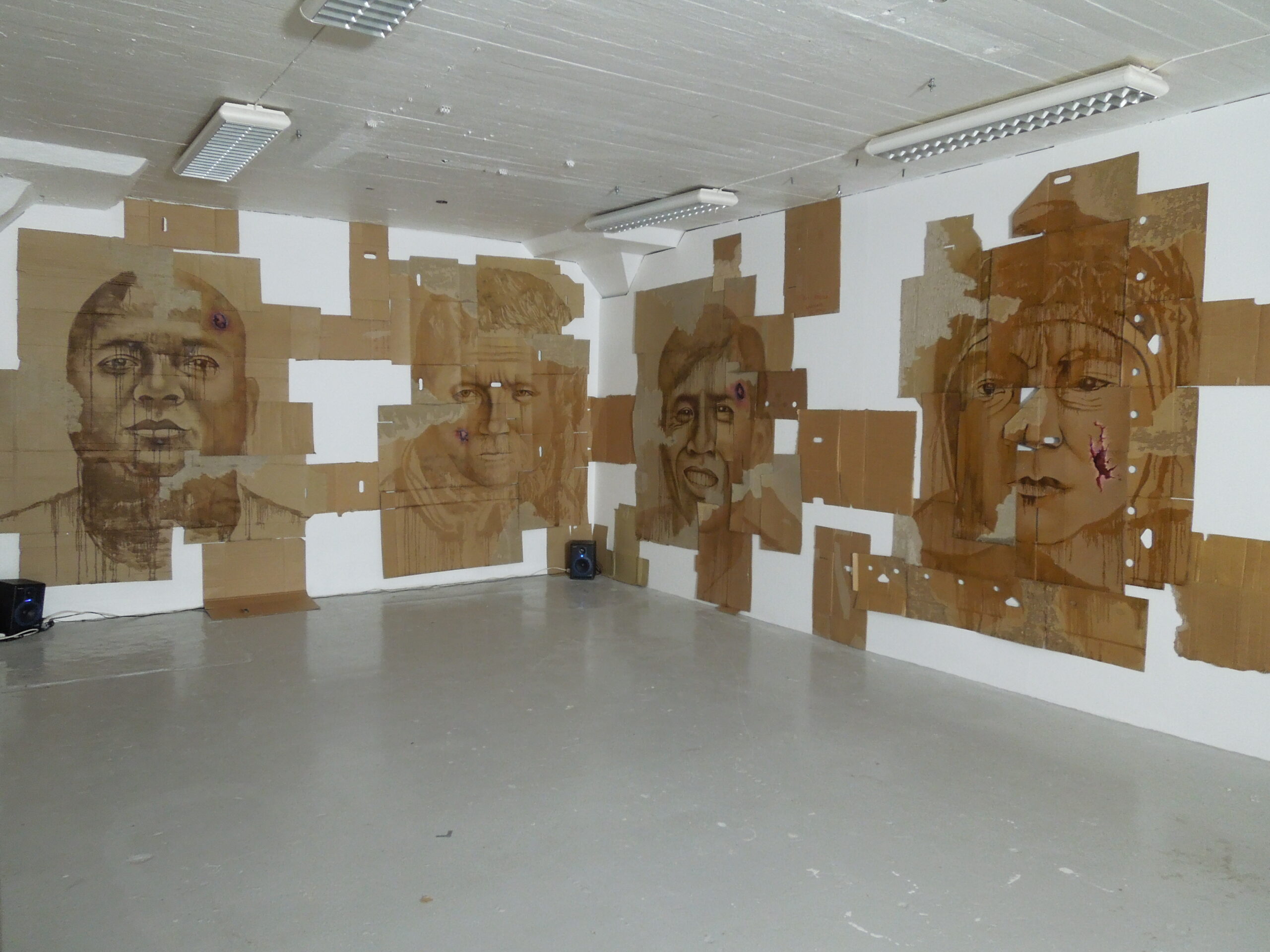
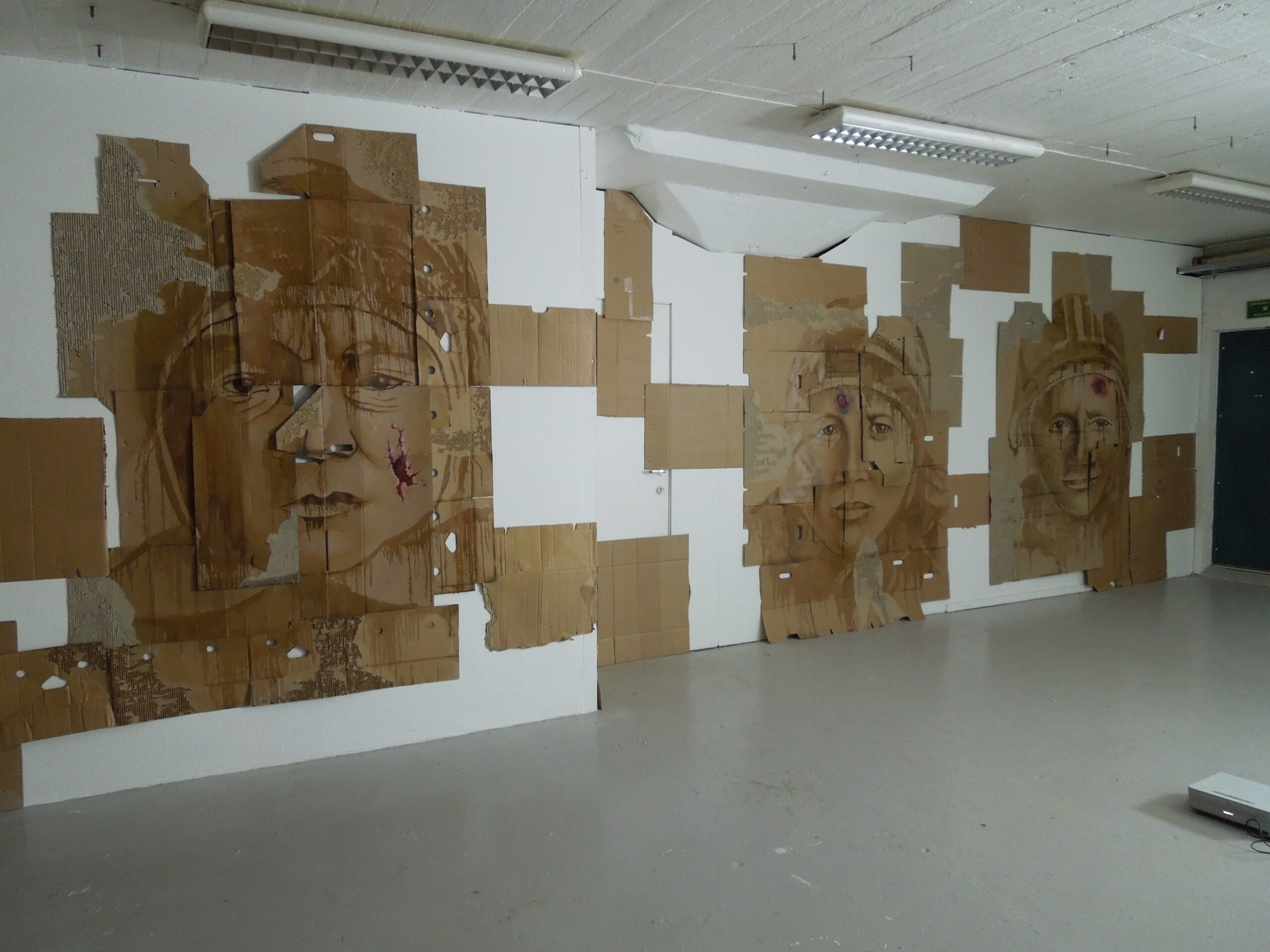
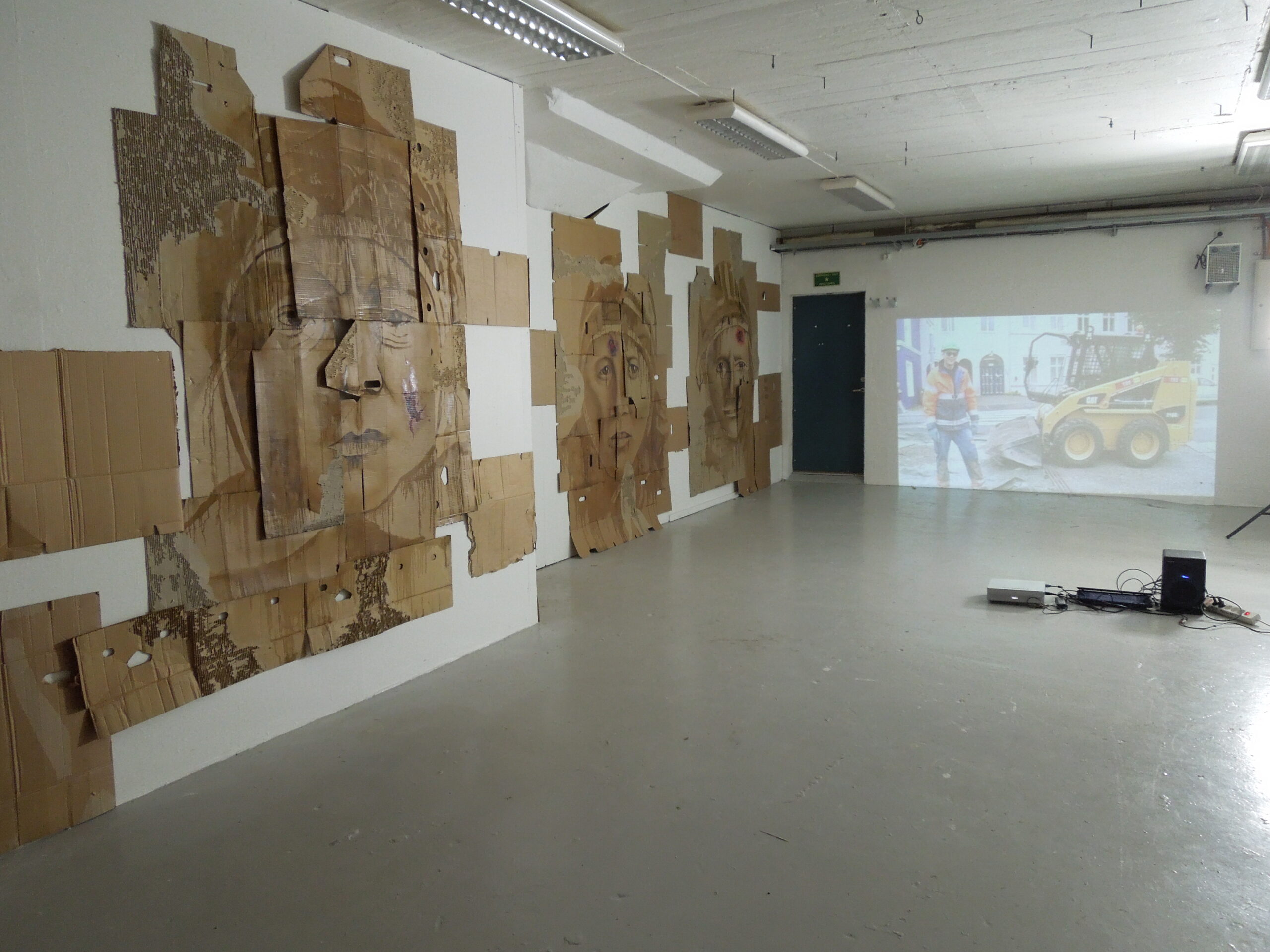
The project was realized as an installation in the city’s exhibition and public spaces, using paintings on cardboard boxes found in Bergen as well as recorded video interview from the public space of the city.
It should be added that the visual material for this project was generated through a dual methodological approach: extensive photographic documentation within the public spaces of Bergen was augmented by historical records sourced from the Bergen City Archive.
2014
“One person with a belief is equal to the force of 100 000 who have only interests…”, public space in the city of Bergen (NO)
2013
“MFA 1 show”, Bontelabo, Bergen (NO)
2012
“One person with a belief is equal to the force of 100 000 who have only interests…”, Bergen Academy of Art and Design, Bergen (NO)