150 of 2513
Anthropologist Robert Dunbar identified 150 as the optimal number of stable human social ties, a limit that persists even in the digital age.
However, this project explores how internet technologies have fractured this traditional communication, shifting life into a virtual dimension.
As digital spaces become the primary architects of orientation, we construct a simulacrum of existence virtual cities and marriages that diminishes our sense of tangible reality.
By re-evaluating public spaces, the work questions the boundary between autonomous virtual expression and physical presence, seeking to determine if historical tradition and the technological avant-garde can coexist within new communicative networks.
Implementation of the project:
Phase 1:
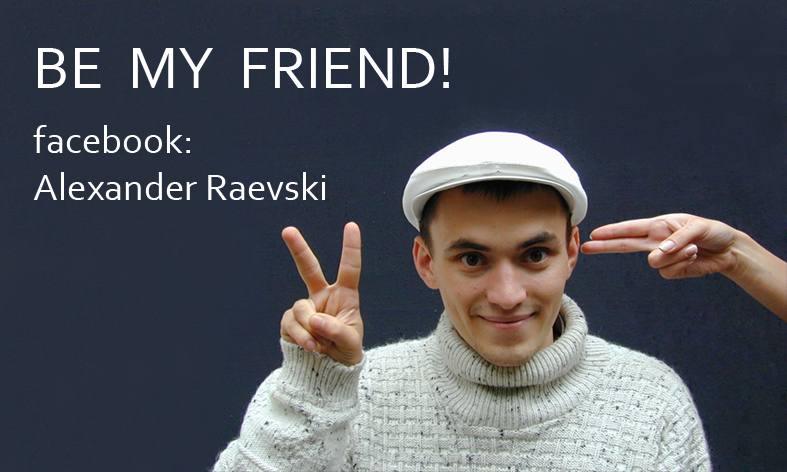
The project began with the distribution of specially designed visit cards throughout the public spaces of Krasnodar.
These materials contained visual and textual provocations inviting the public to join my network of “friends” on Facebook, which was the most prevalent social landscape in 2011.
Phase 2:
Throughout the project, I aimed not only to expand the quantitative and qualitative reach of this new “friendship” circle but also to harness this incoming information resource.
By involving participants in a new mode of public-social communication, I was processed their “friendship-accessible” photographic data for future exhibition representation.
Phase 3:
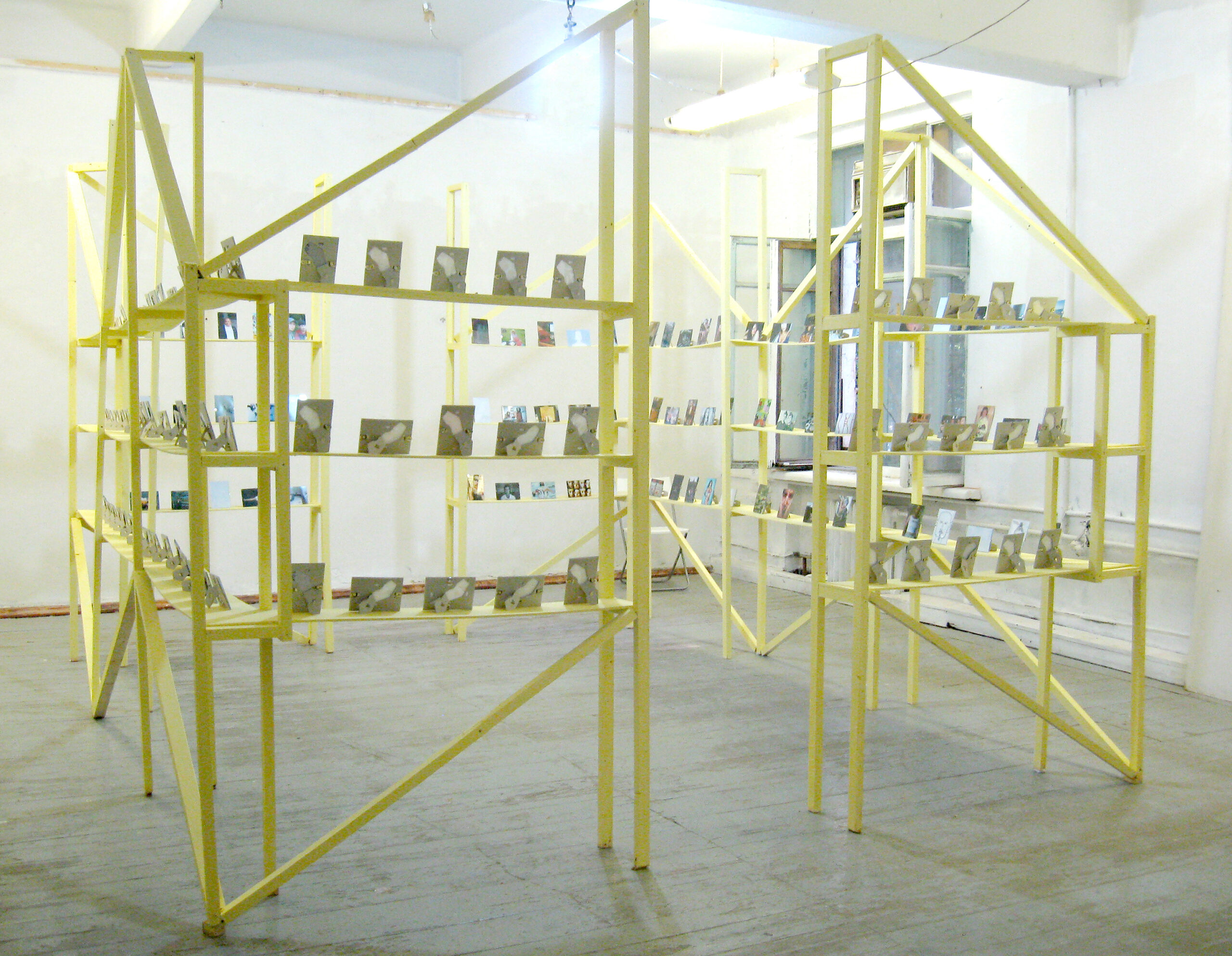
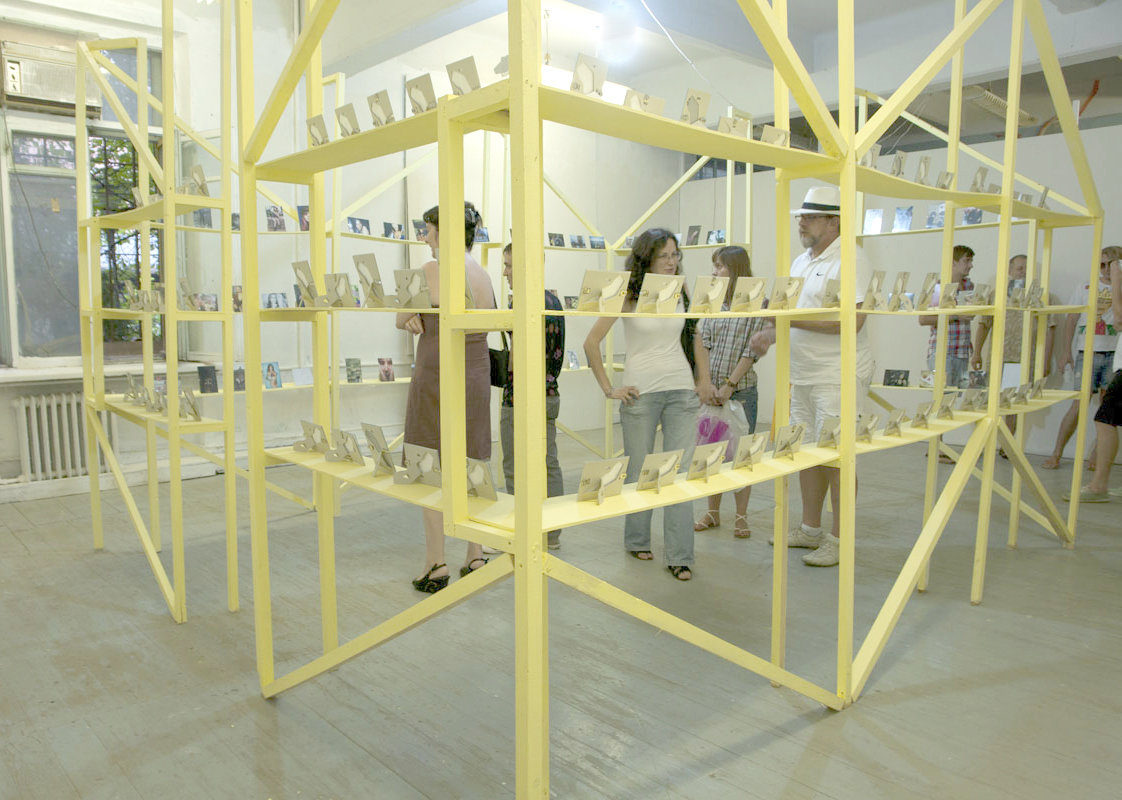
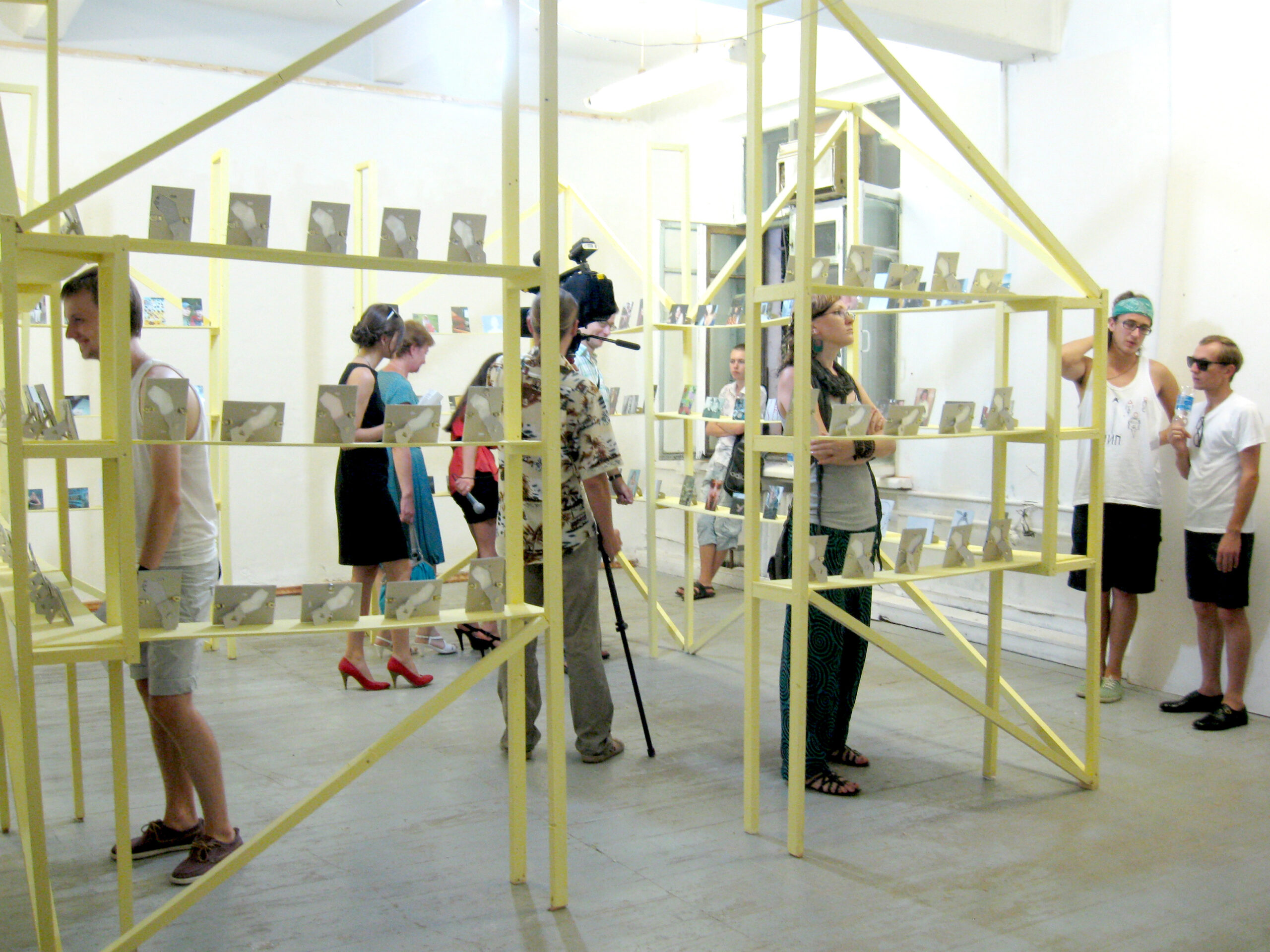
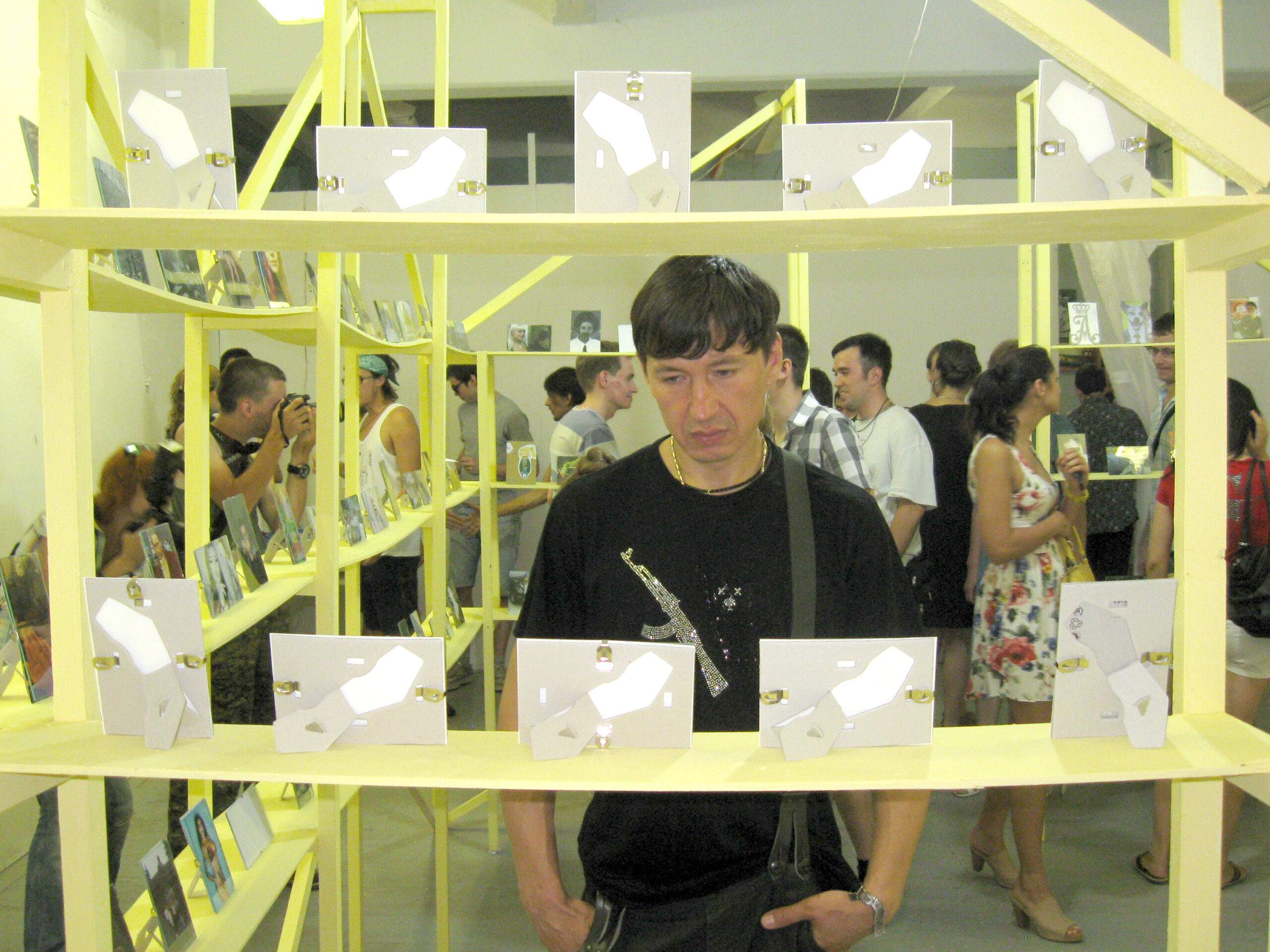
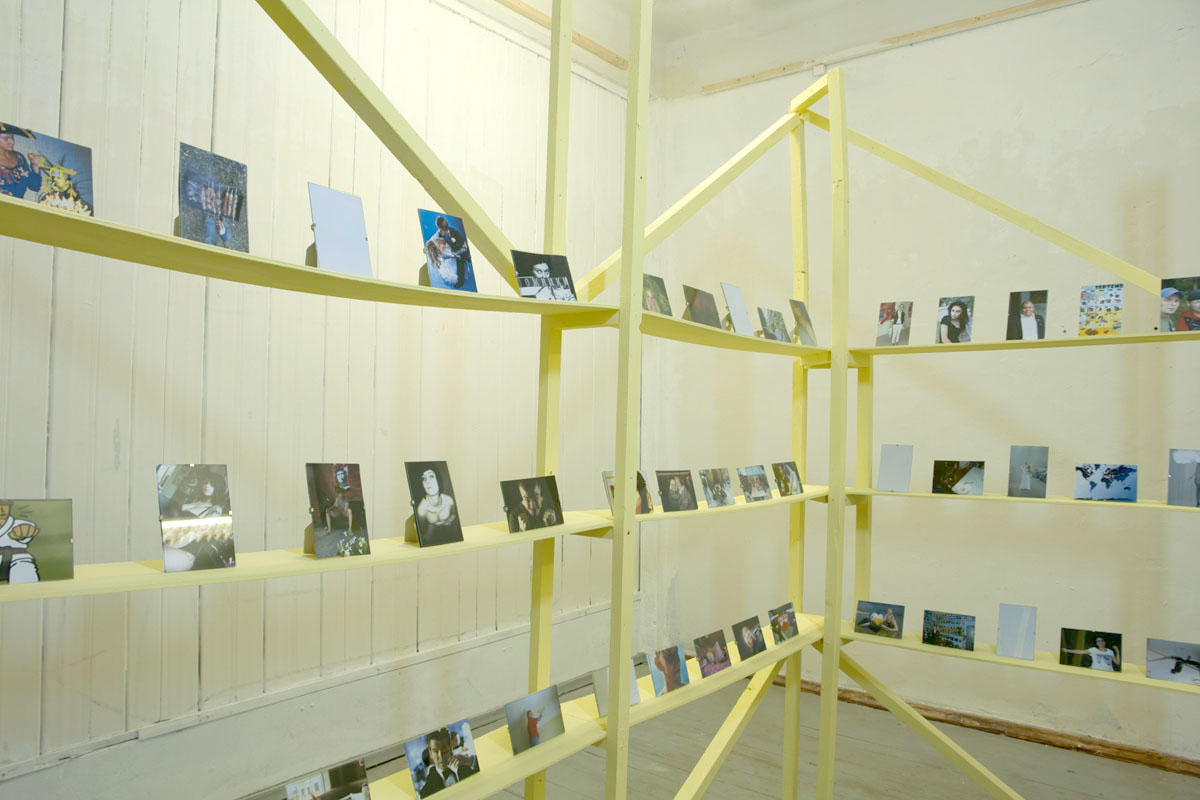
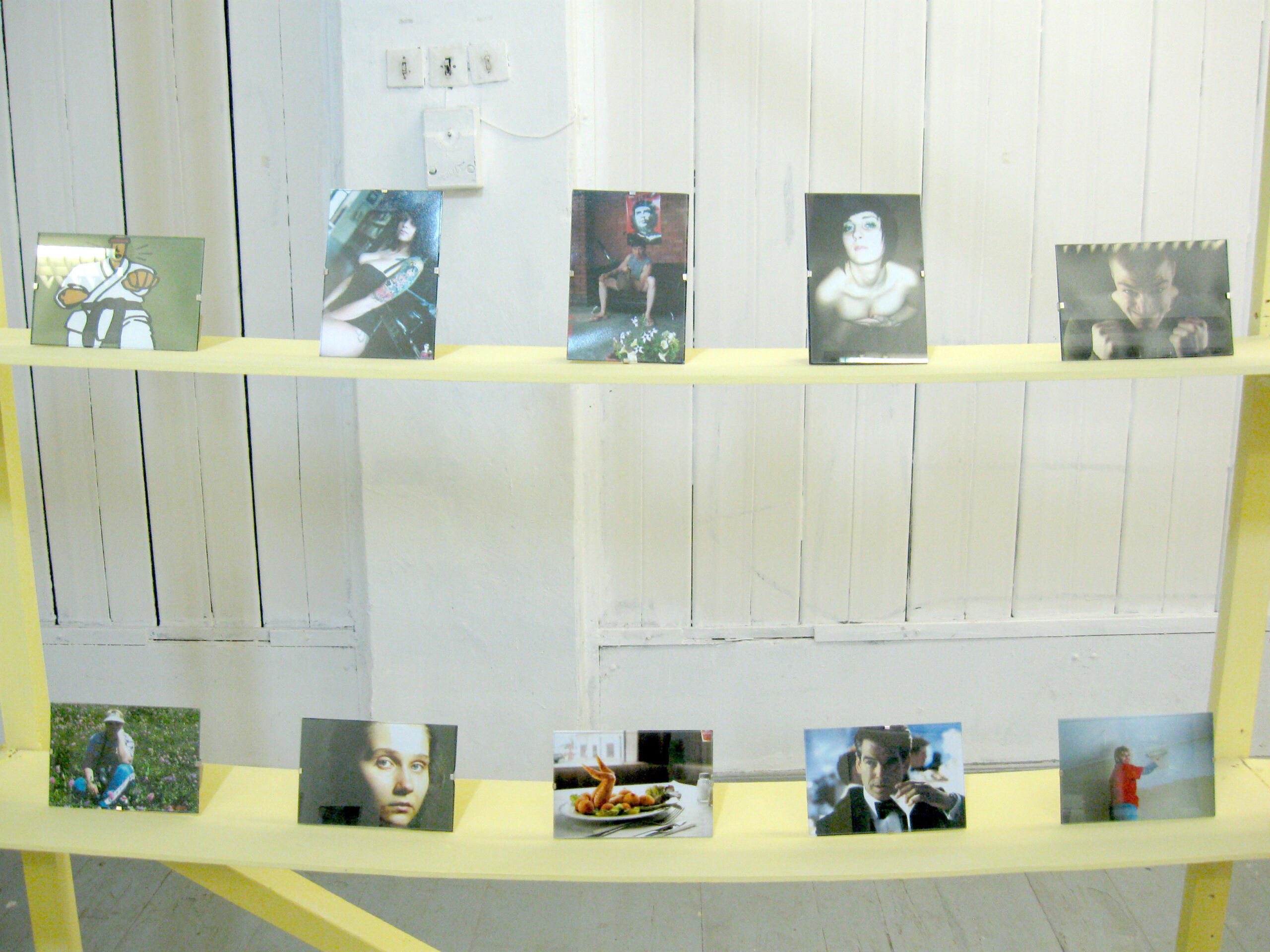
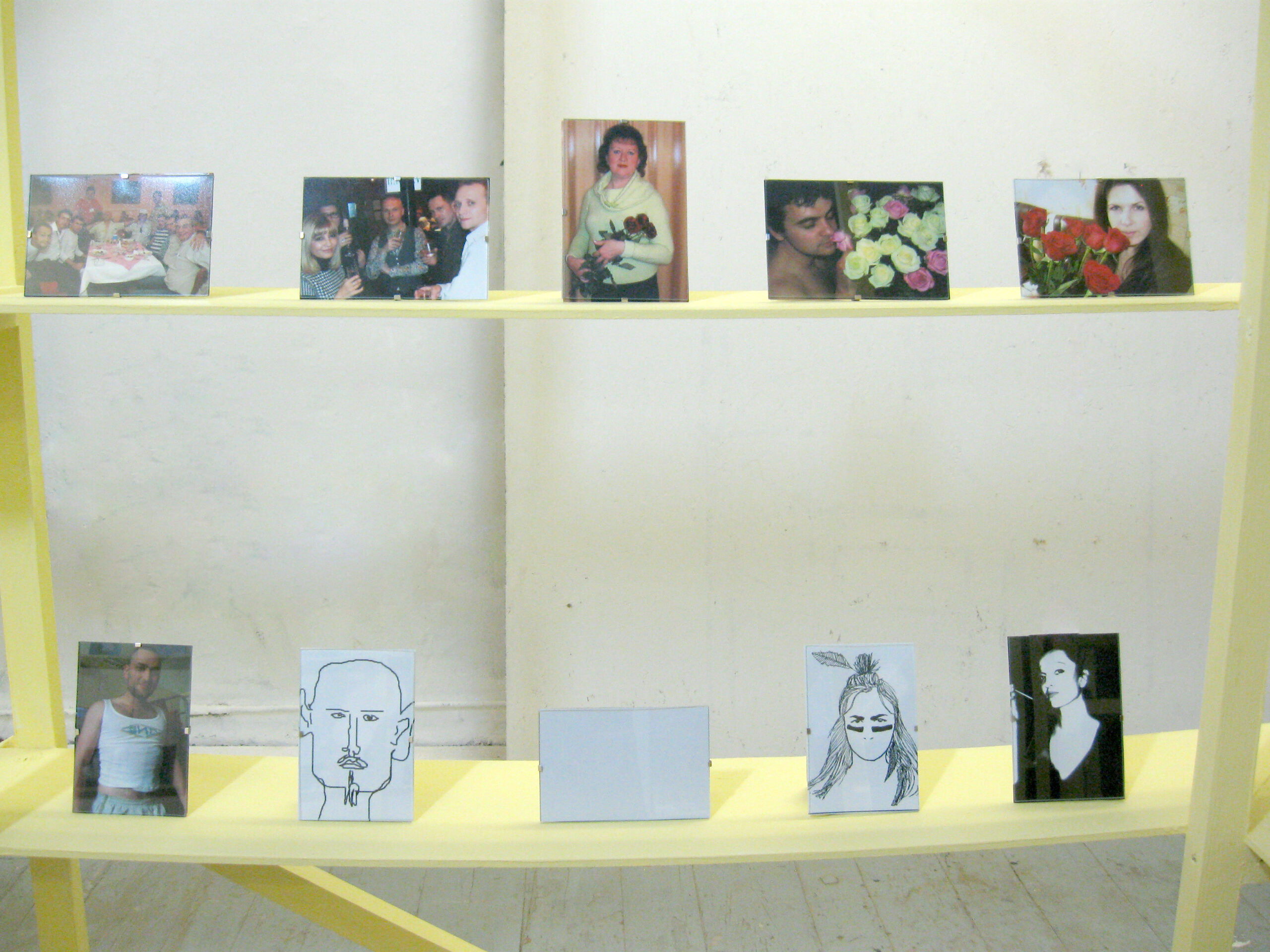
This stage manifested as a synchronized interaction between virtual and physical space via an interactive photo installation.
As the number of invited friends on Facebook grew, the project’s visual platform expanded accordingly.
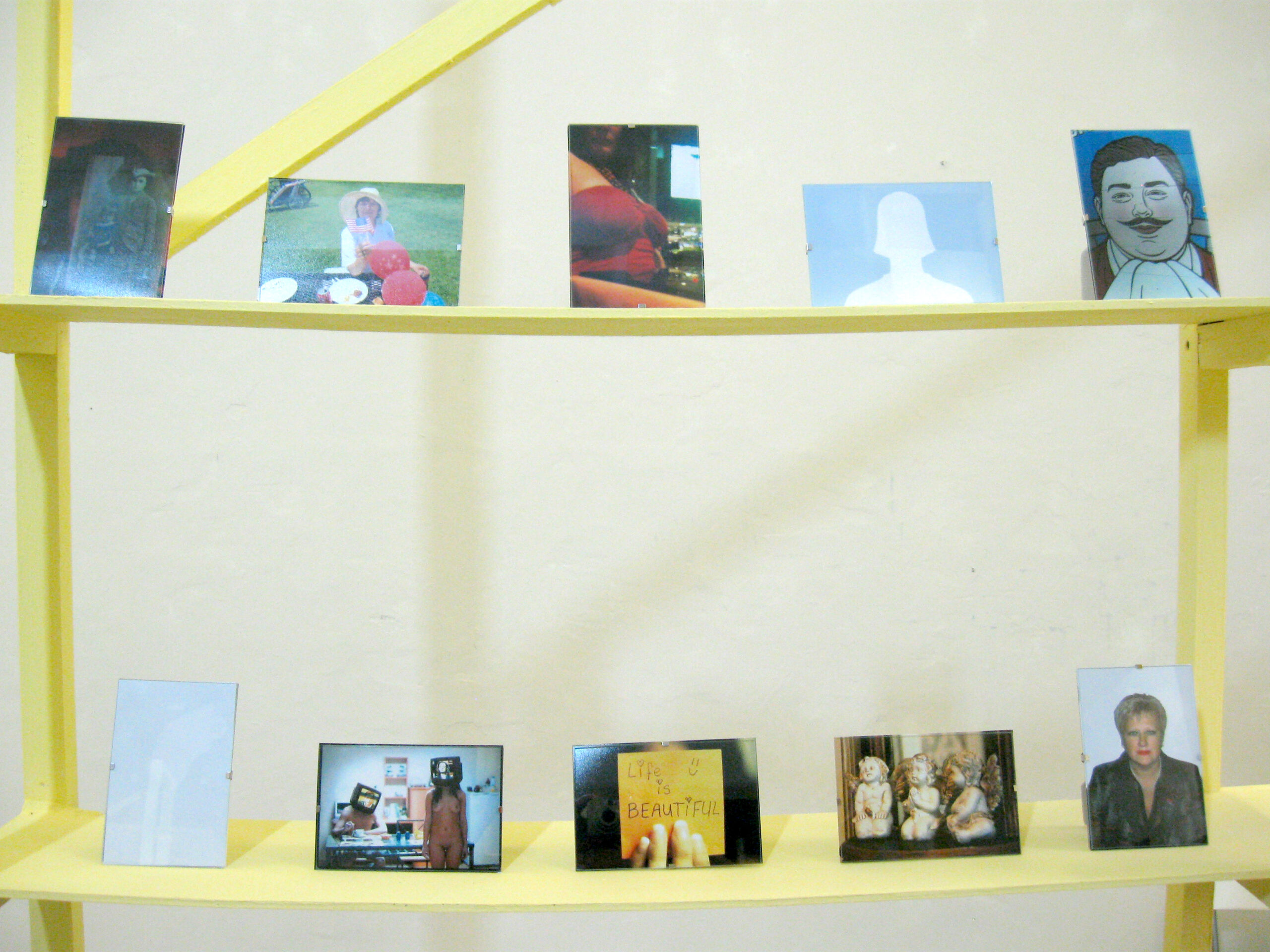
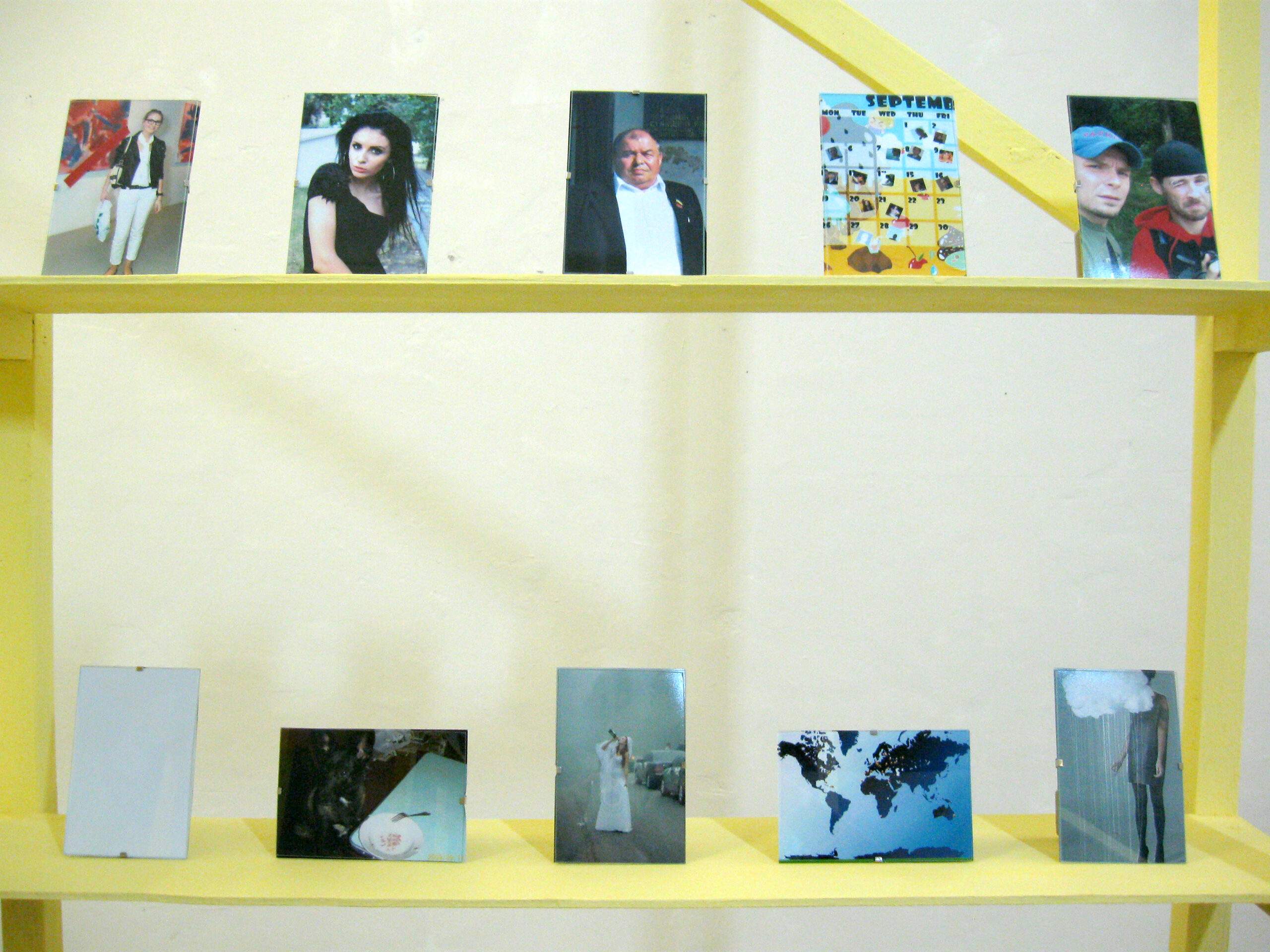
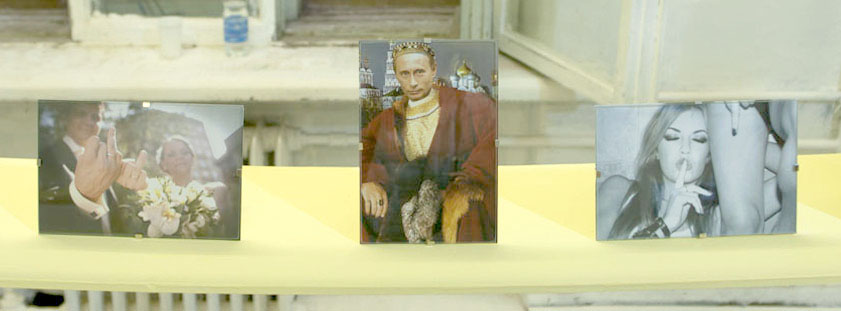
The physical representation consisted of a series of photo frames. New photographic material, harvested from my Facebook network, was”uploaded” into their memory in real-time.
This process expanded the material-digital range, revealed the essence of how digital space integrated into the physical public sphere.
The images were arranged on custom-built shelving units, formed a minimalist installation embedded with interactive photographic elements.
Phase 4:
This phase involved the continuous replenishment of the digital database with incoming photographic components from my growing network of friends.
This process remained active throughout the duration of the exhibition.
Consequently, the project’s title serves as a live numerical ratio between the friends acquired during the project and the total number of connections on my Facebook profile.
The project was implemented as an interactive installation.
2011
“150 of 2880” Krasnodar Institute of Contemporary Art, Krasnodar (RU)
“Media Impact”, International Festival of Activist Art, ARTPLAY Design Centre, 4th Moscow Biennale of Contemporary Art, Moscow (RU)
Financial support of the project:
Nikolai Moroz
Special thanks to:
ZIP art group (Eldar Ganeev, Evgeny Rimkevich, Vasily Subbotin, Stepan Subbotin)