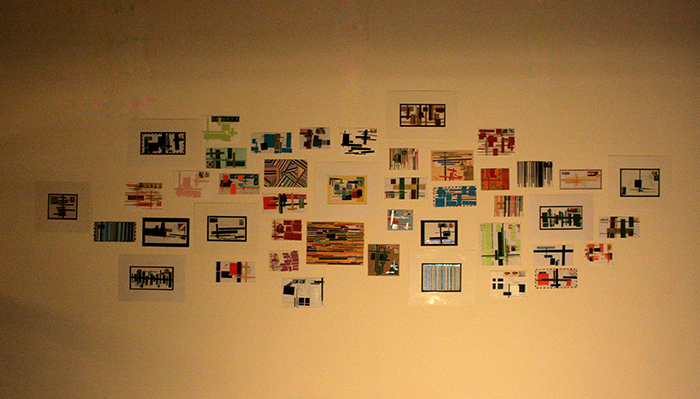
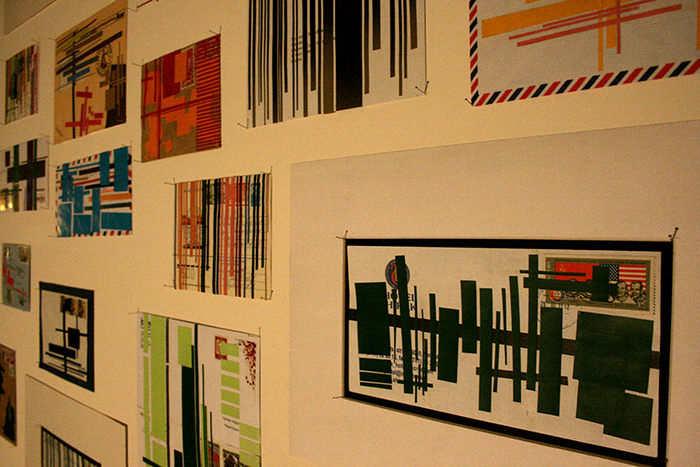
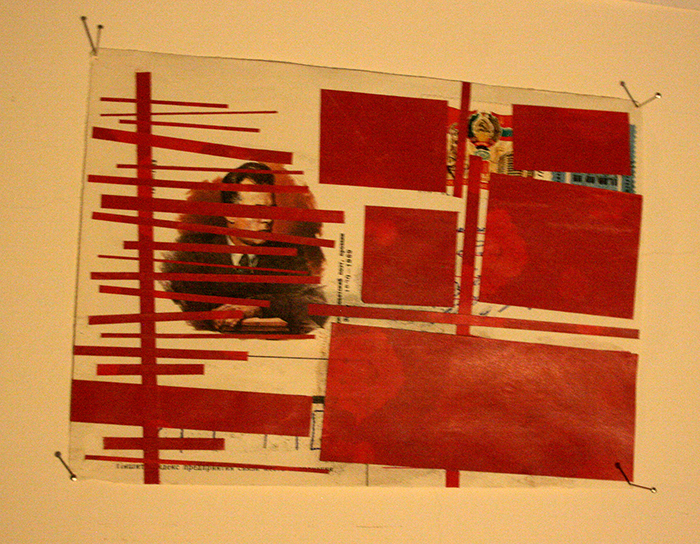
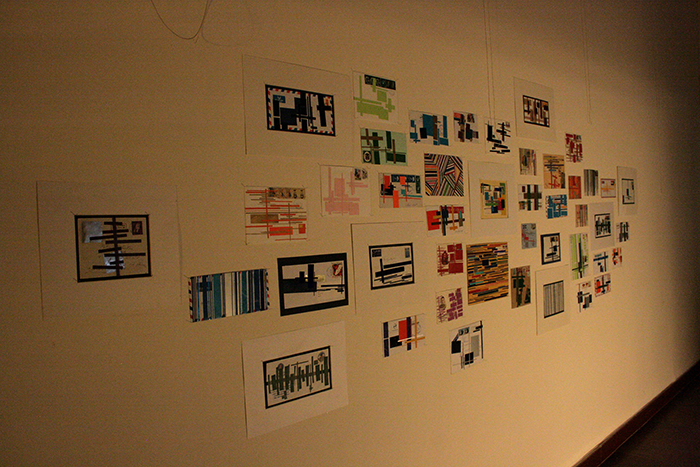
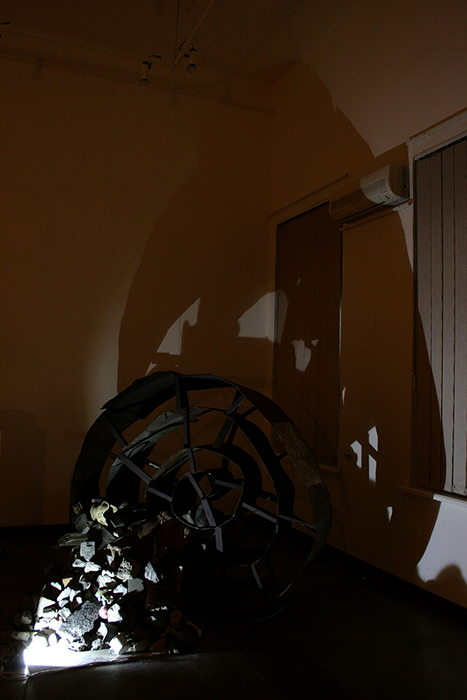
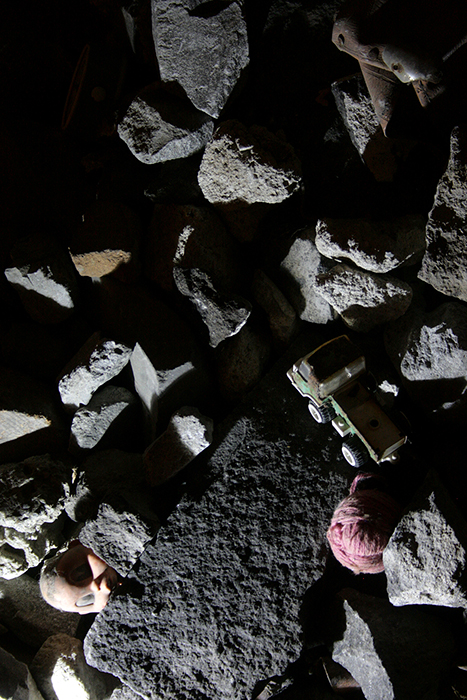
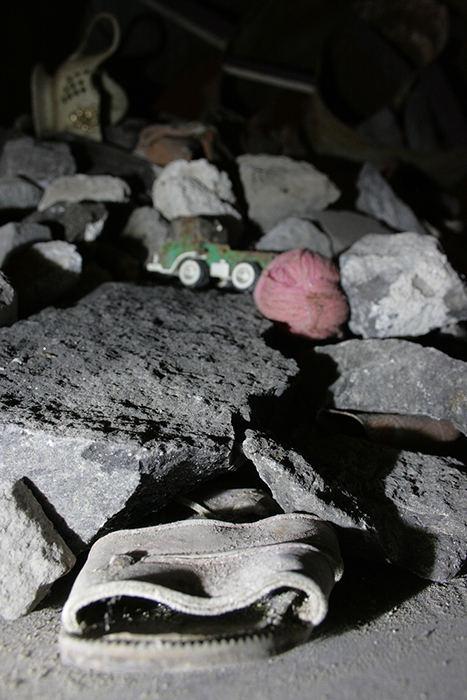
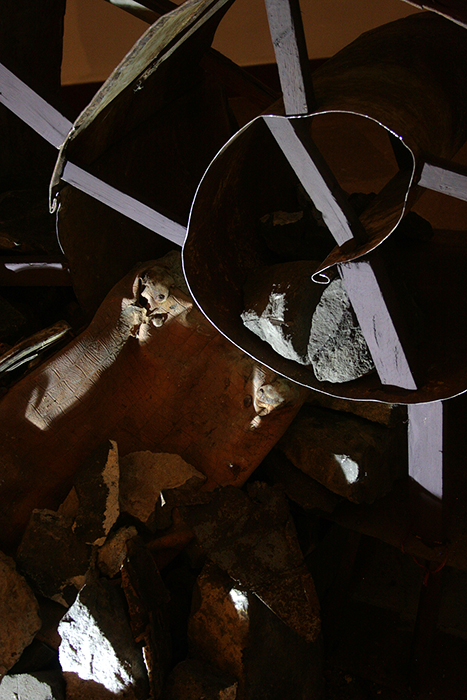
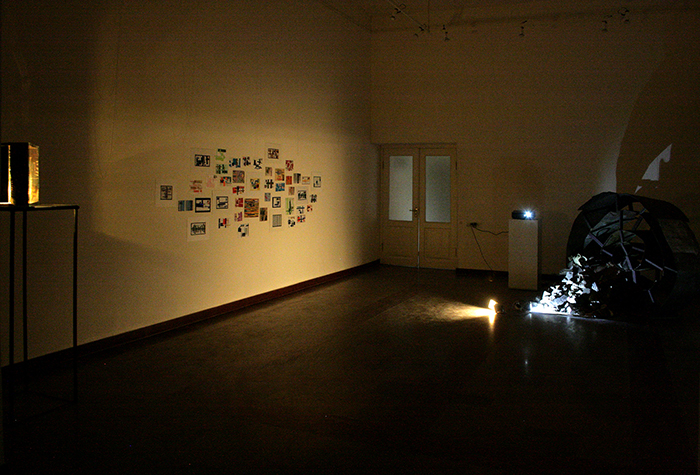
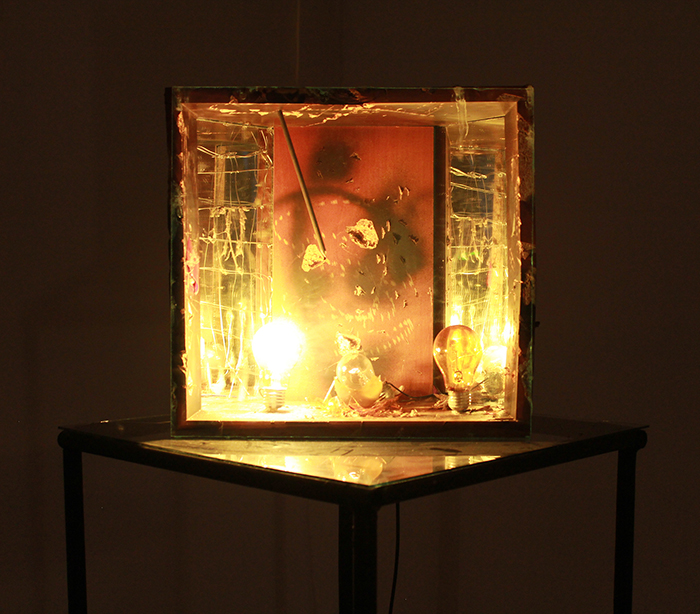
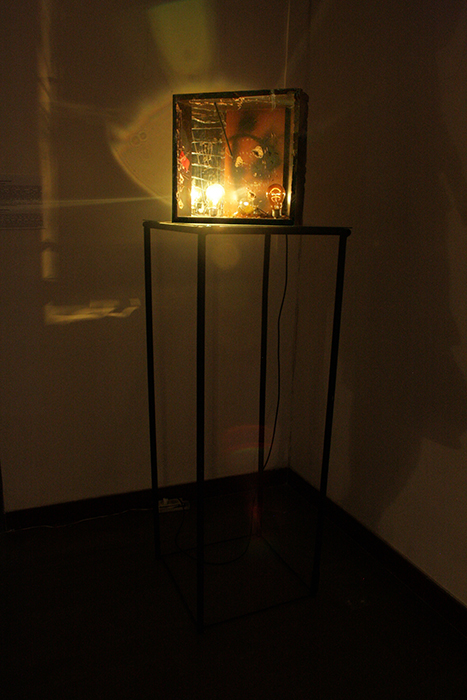
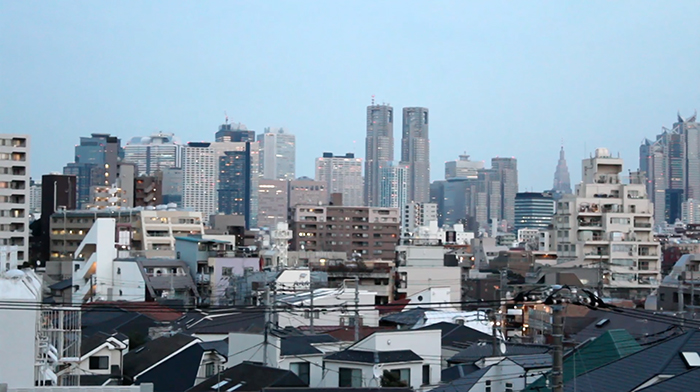
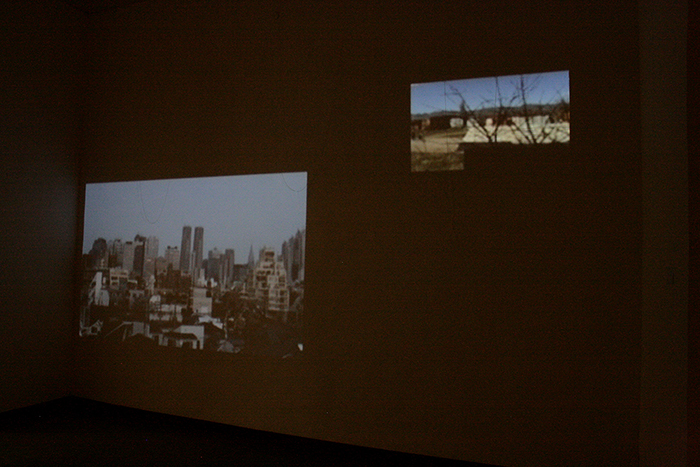
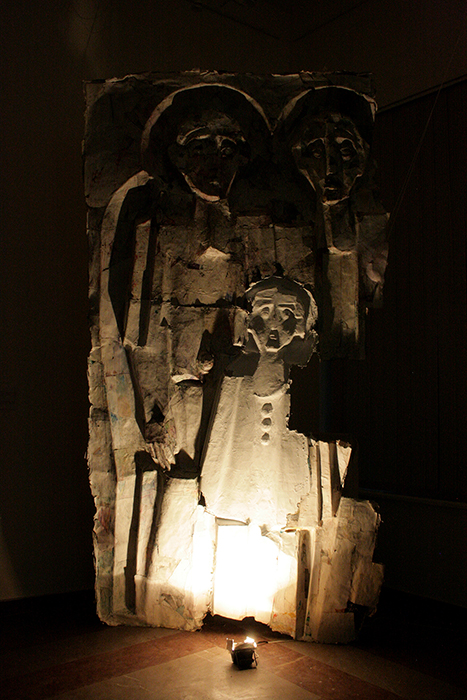
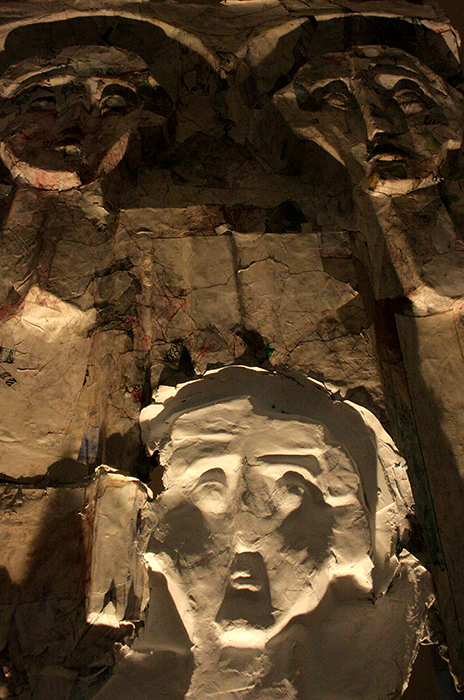
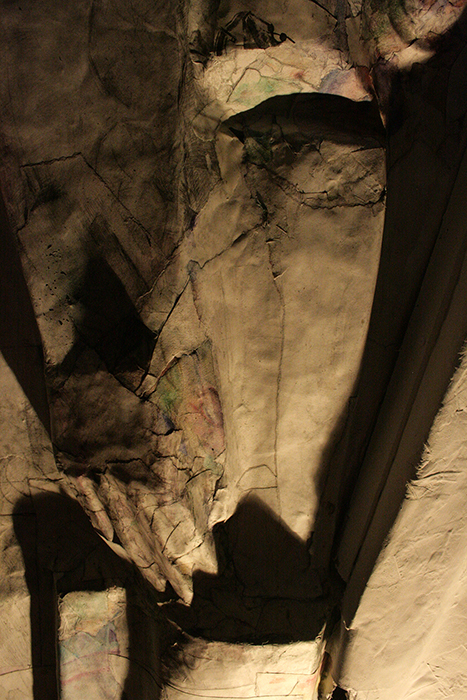
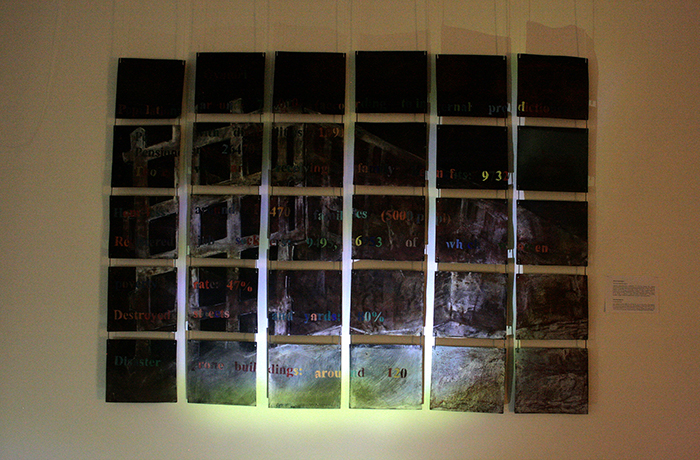
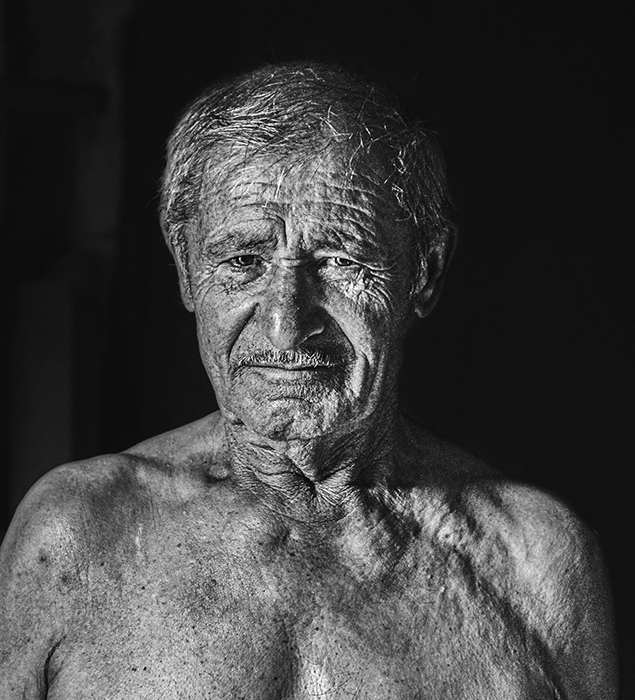
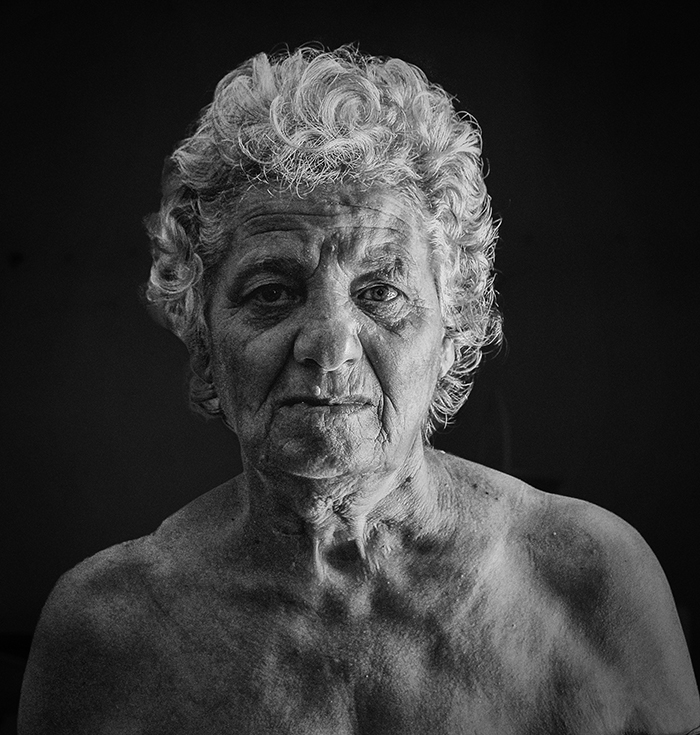
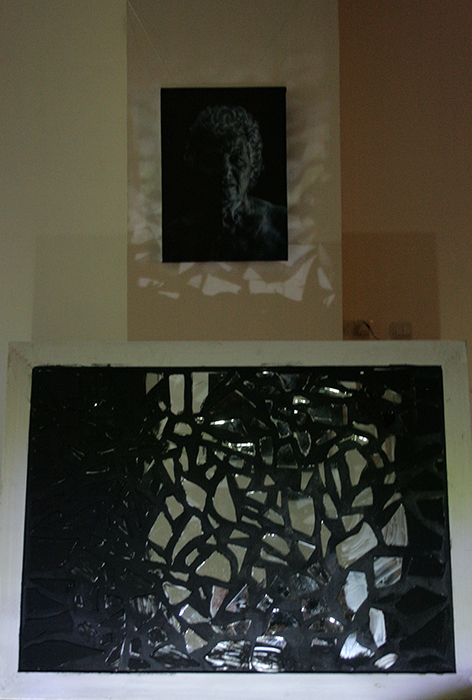
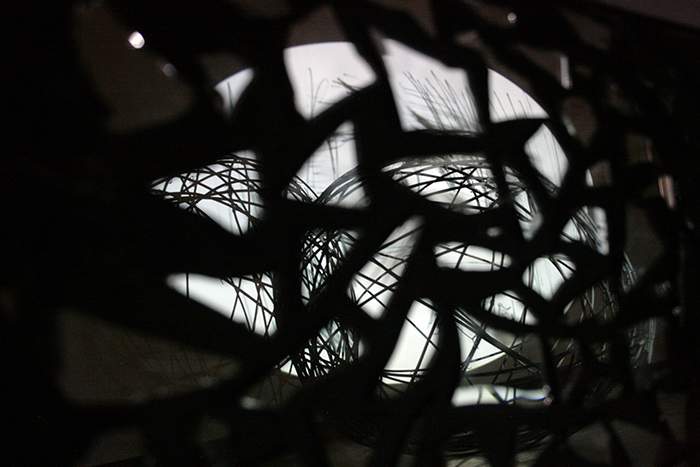
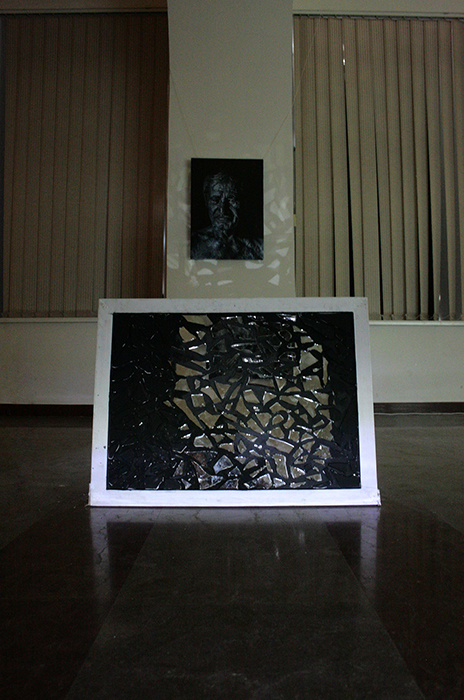
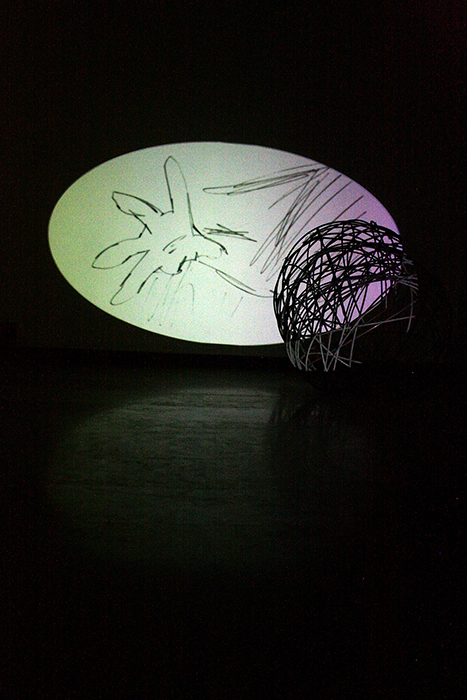
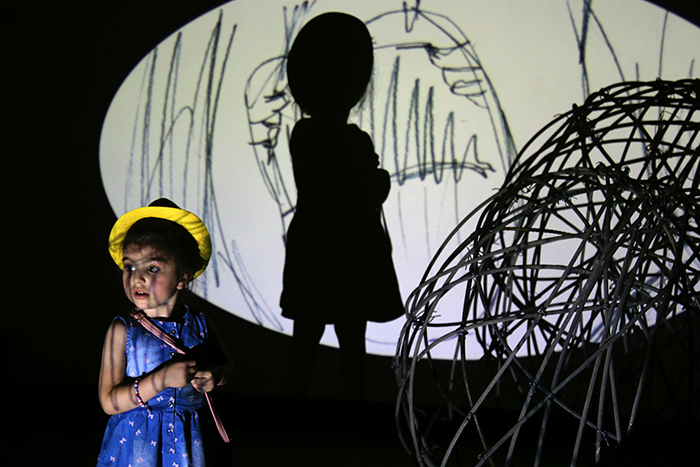
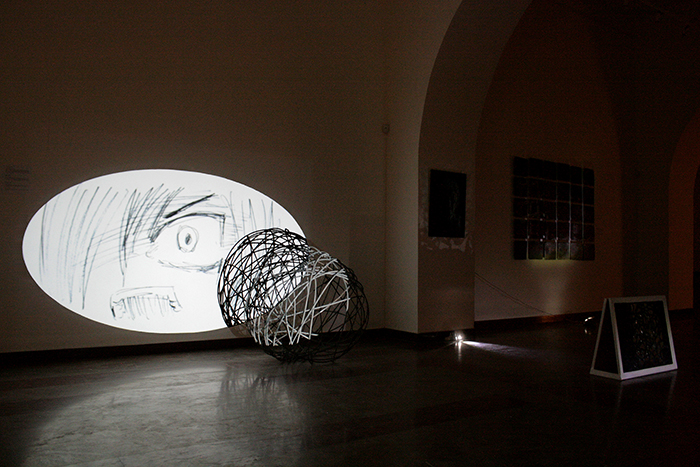
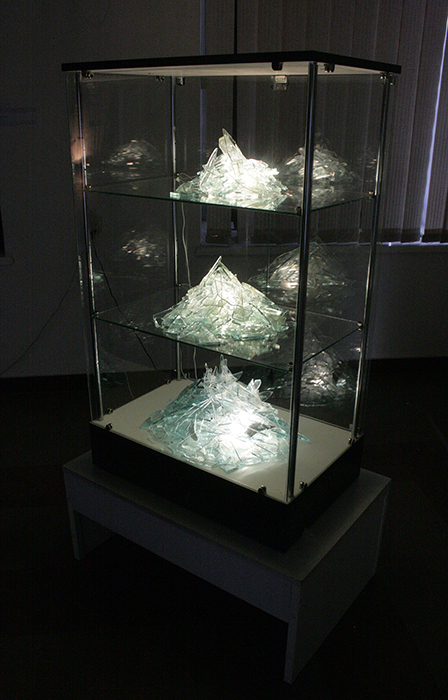
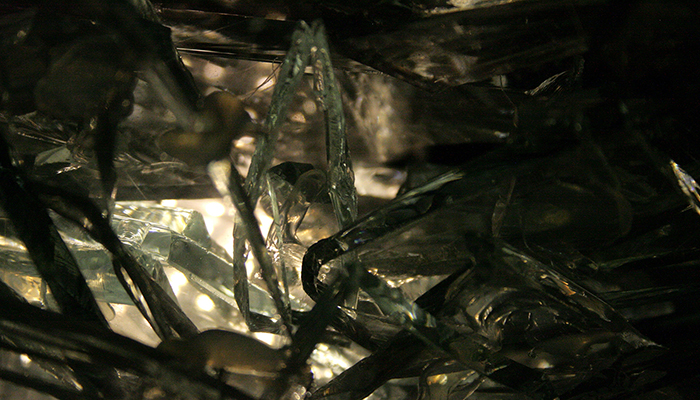
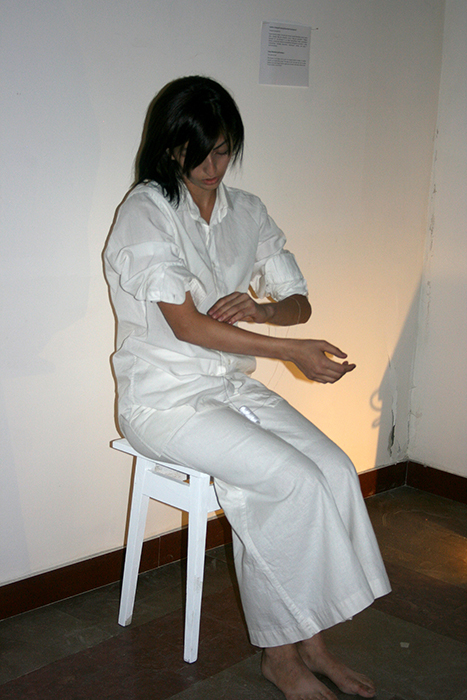
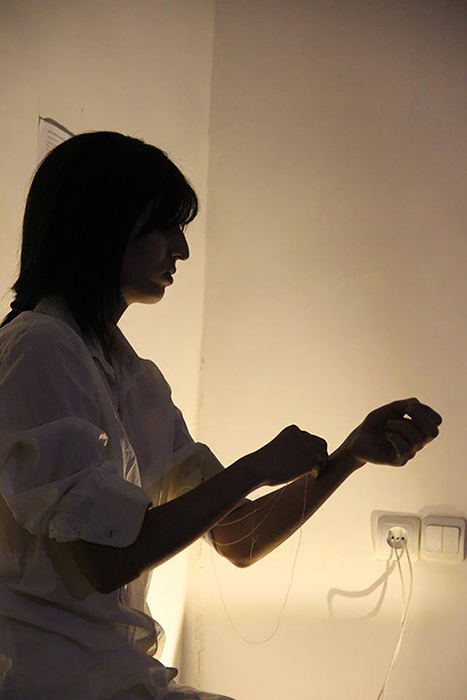
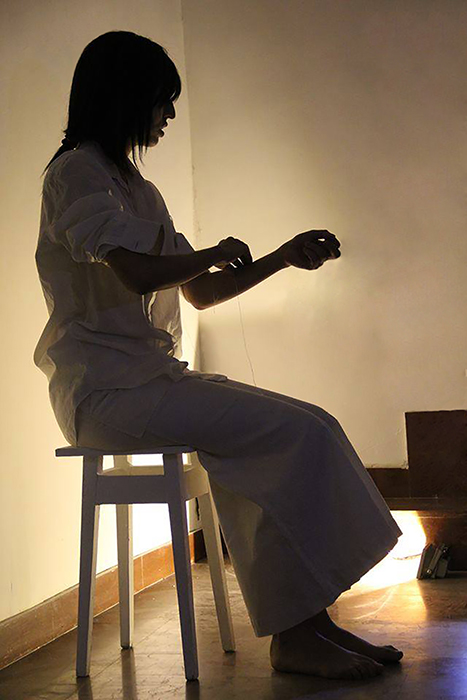
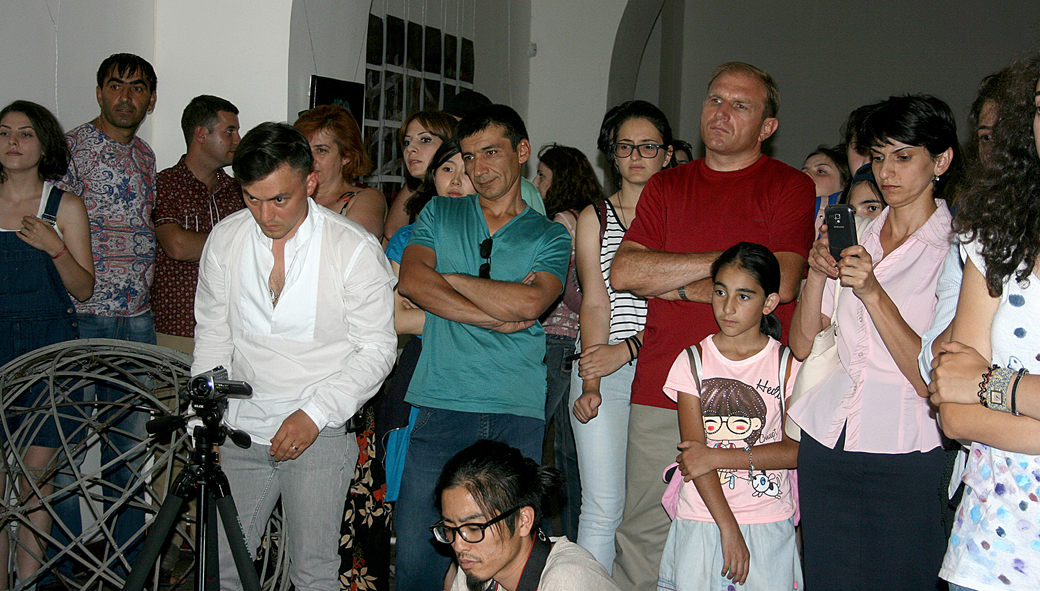
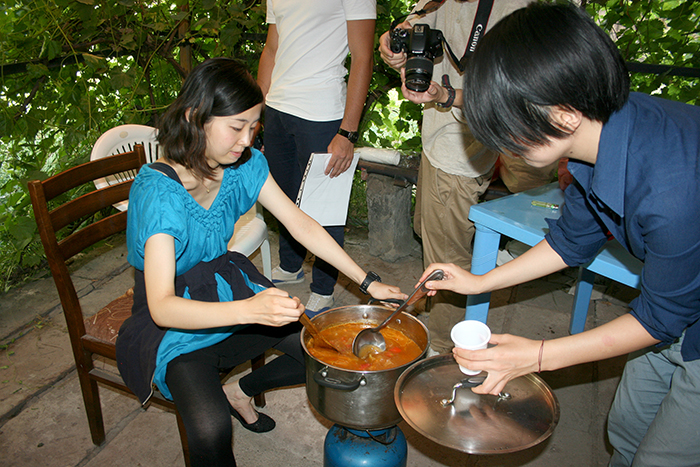
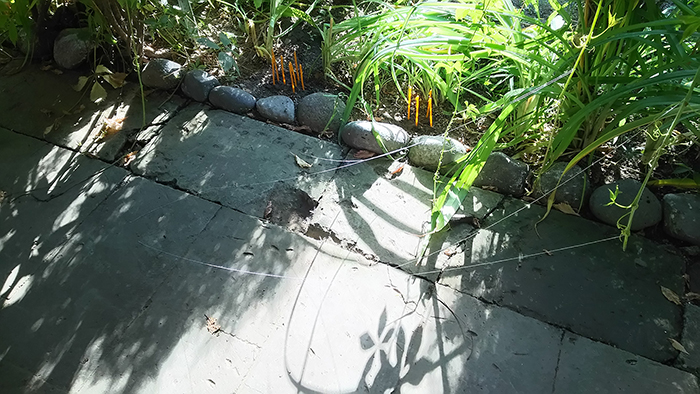
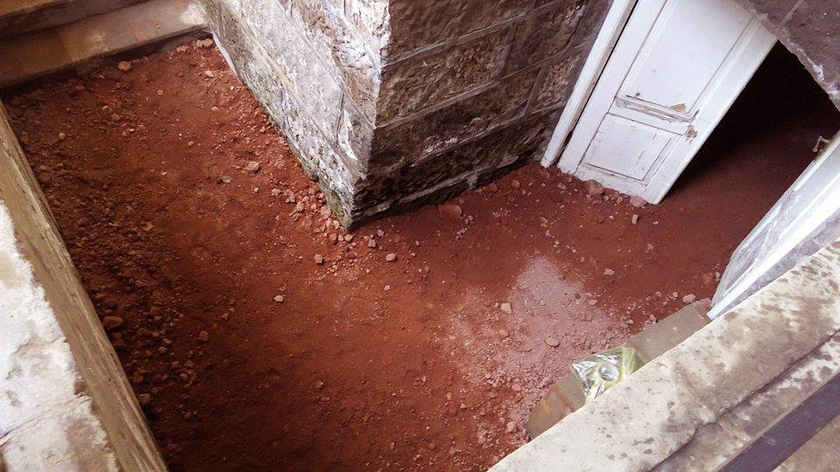
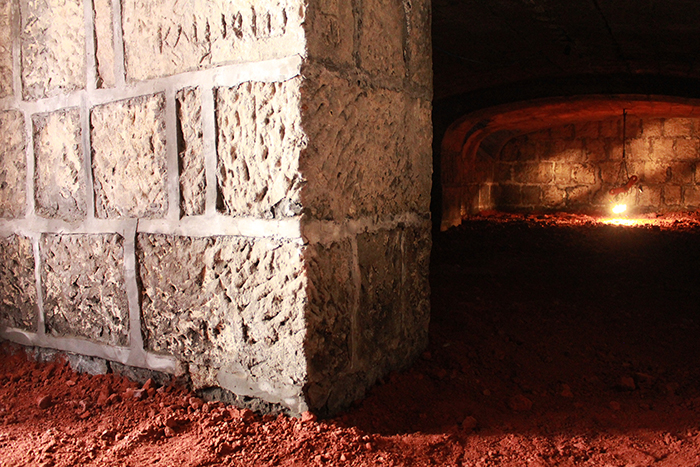
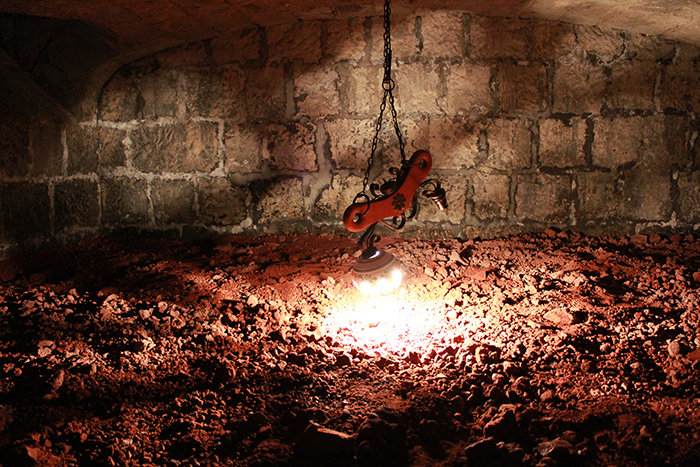
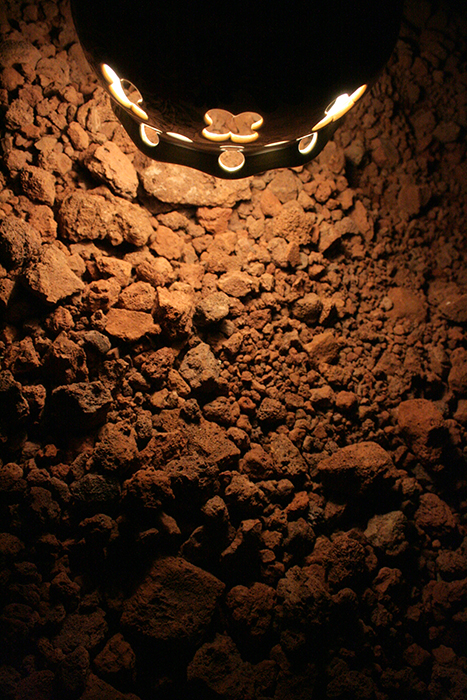
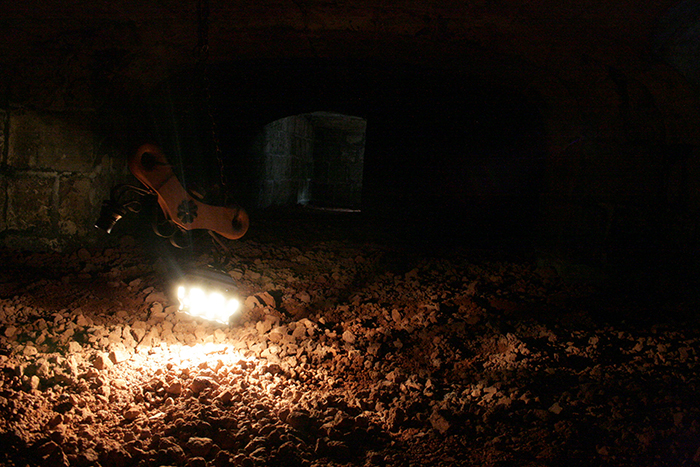
The project “the planet 69” investigates the events in the life of Armenian and Japanese societies.
At first glance, it is a society with different cultural traditions, mentality, the level of involvement in the contemporary technological epoch, language, culture and many others that forms an integral part as a nation, as well as the territory on which this nation was formed and is living till this day.
However, the tragic events that took place in Armenia and Japan unites them into one whole. We are talking about the earthquake which heppened in Armenia in December 7, 1988 and the events that occurred in March 11, 2011 in Japan.
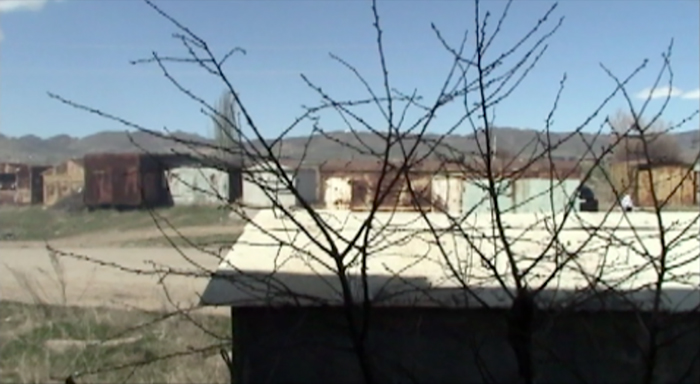
In the project “The Universe 69”, participants of the project explored the causes of internal fracture of the Armenian society on the example of the inhabitants of the city of Gyumri, which was almost completely destroyed by a natural disaster on 7th of December in 1988.
Unfortunately, the city has not had time to fully recover by reason the collapse of the USSR. Till this day, the city lies partly in ruins are keeping not lingering scars of change. The experience of gained trauma acutely bared sensitive aspects of human subjectivity, has concentrated emotional side, which was making it as a carrier an irrational principle, while not offering nor any potential scenarios for the resolving the situation.
It is necessary to emphasize that during the Soviet present each separate republic was part of a general socialist system. Insade (without taking into account the price that had to pay for it) there was a relatively prosperous vacuum in which Soviet citizens lived. An ordinary individual was generally confident in the future, in available labor employment, housing and communal conditions, education, health and other basic factors of existence.
However, in the last stage of its development inside of the state organism began to be formed “behavioral sink», which started denoted the transition to a destructive and deviant behavior.
By analyzing separately these situations worth mentioning that the series of powerful earthquakes and tsunami in March 2011 in Japan has caused catastrophic consequences: were killed and missing almost 30 thousand people, destroyed more than 45,000 homes, another 133,000 damaged partially, put out of action thousands units of technic.
Along with these, tragic events have produced very deep dramatic changes in the spiritual life, worldview, mental state, life plans of millions of people. These events have thrown an exceptional challenge to the Japanese technology and the mentality of the nation. At the same time catastrophe has reached a global scale. Should be stated that the psychological consequences of the Fukushima, on the scale prolonging and dramatic, surpass all any other unfavourable consequences.
In the formed conditions it is necessary to comprehend the lessons for the Armenian and Japanese society. Comprehend the lessons – means to change public opinion on the problem and the attitude to it, in a way that clearly understand the real danger of the possibility of occurrence of such events, to anticipate their material and spiritual consequences to take exhaustive measures to prevent them, to support full readiness for effective action experts and the population in a situation of disaster.
And the most importantly never under any circumstances to not lose hope and create a positive future in a close and constructive cooperation with all members of civil society as in Armenia as well as in Japan.
Curator of the project:
Alexandru Raevschi
Co-curator of the project:
Hidemi Nishida
Assistant of the project:
Anna Khachatryan
Participants:
Atsuko Mochida, Hidemi Nishida, Kana Kuroiwa, Yumino Hagiwara, Anna Khachatryan, Maro Sahakyan, Artush Mkrtchyan, Karine Khachatryan, Nina Pijoyan, Zaruhi Arshakian, Juliet Avagyan, Alexandru Raevschi, Liana Hakobyan.
Partners of the project:
Gyumri branch of Yerevan State Academy of Fine Arts, (Gyumri, Armenia)
Joshibi University of Art and Design, (Tokyo, Japan)
“Gallery of Sisters Miriam and Yeranuhi Aslamazian”, (Gyumri, Armenia)
The municipality of Gyumri, (Armenia)
Special thanks to:
Sargis Hovhannisyan
Vahagn Ghukasyan
Hambardzum Ghukasyan
Artush Mkrtchyan